

Disclaimer: Names and identifying details have been changed to protect the privacy of individuals.
The global trend points to a growing burden of multidrug-resistant tuberculosis (MDR-TB). In 2018, there were about half a million new cases of rifampicin-resistant TB (of which 78% had MDR-TB). Alarmingly, only 38% of these cases were detected and notified.1
But these cases are more than just statistics – they are human beings, each with their own individual experiences and stories.
MDR-TB drugs affect every patient differently. In some cases, patients may go through months of treatment, only for a regimen not to work. Others go through numerous obstacles to find treatment, and if they do, many are unable to tolerate it because of its many harmful side effects, in addition to having to swallow a handful of pills daily (over 20 a day) consecutively for almost two years, along with daily injections.
A multi-country endTB clinical trial, newly launched in Pakistan, aims to address these issues and find more effective, shorter, less toxic, injection-free regimens for MDR-TB.
“The kind of treatment that is in this trial should be available everywhere.”
In October, we enrolled our very first patient — Asif. This is his story.
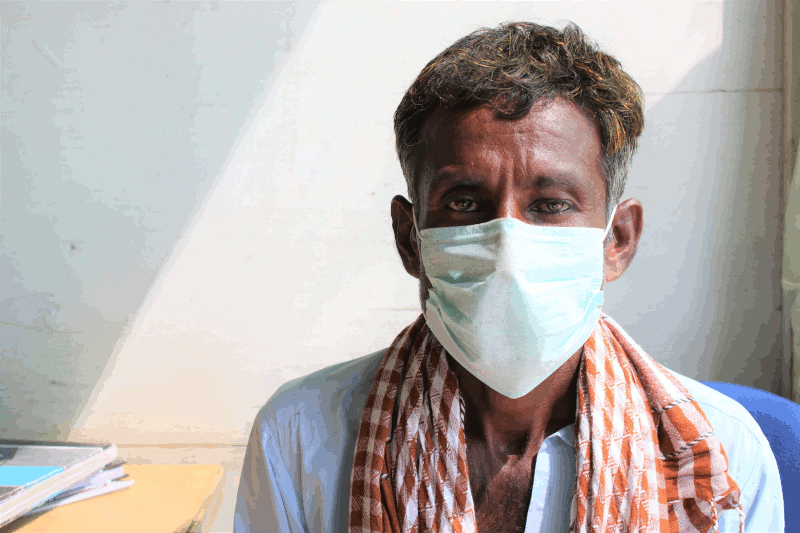
Asif resides in Thatta, Sindh. Once a hub of commerce and culture, Thatta has since been neglected by local and national authorities and the community has fallen to poverty and illiteracy.
In this town of 220,000 people, Asif had been working at the same job for over 15 years, pushing a cart around collecting trash. But when he was diagnosed with MDR-TB about 4 months ago, he was forced to stop working and the burden of being the breadwinner shifted to his eldest, 18 year-old son Bilal who dropped out of school to support his father’s treatment and family.
Bilal earns about Rs. 300-400 a day (approximately $2-$3), and with this minimal income, they must support an entire family of 10, with another member on the way.
Living under slums, they make do with limited electricity and water supply, and cook over a wood fire. A car is a distant luxury, so they must rely on inefficient forms of public transportation. And though they barely make ends meet, the family is putting all their children through school.
This is just a glance of the hardships faced by impoverished communities. Because of barriers to accessing care, they lack formal education and job opportunities. They have limited knowledge of healthy lifestyle choices and little access to adequate healthcare — the closest hospital is 30 minutes away.
“I want to be free from this illness and be healthy again.”
So when Asif was diagnosed with MDR-TB, his immediate reaction was fear — whether or not he would find treatment, how he would pay for it and what the treatment would entail.
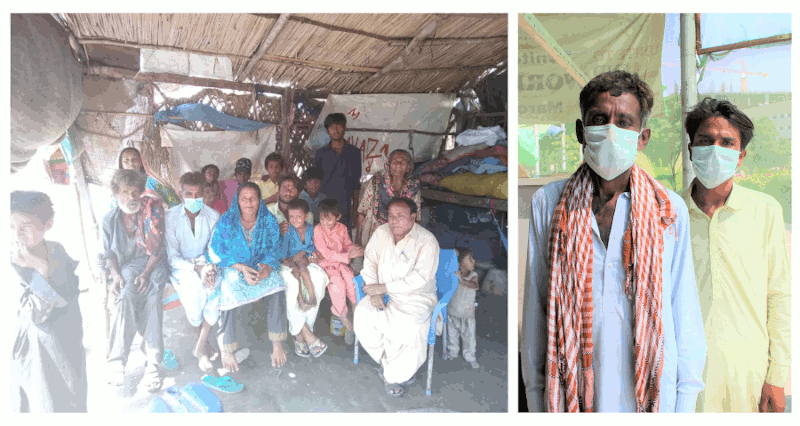
Asif and his family.
He was back and forth between hospitals looking for treatment, but none of the options were ideal. One hospital even told him he would have to be admitted for six months.
Finally, he was referred to The Indus Hospital, where he found out about the clinical trial. He immediately decided to participate — he wanted to get better no matter what. “I want to be free from this illness and be healthy again,” he said.
Asif remains positive and in high spirits, and is confident about the outcome of this trial. He is committed to seeing it through, because he understands many patients do not.
“We want him to get better, so that he can return to his life as it was before,” says his family.
Over the course of the next few months as part of the clinical trial, Asif will receive a treatment regimen for MDR-TB that is shorter than the usual treatment of almost 2 years. His regimen will not include painful injections, avoiding severe side effects such as deafness that accompany older MDR-TB treatments. He is also on nutritional support.
This trial is part of a multi-country effort by endTB – a partnership between Interactive Research and Development (IRD), Partners In Health (PIH), Médecins sans Frontières (MSF) and its financial partner UNITAID. The trial will enroll patients over the course of the next year and follow these patients through 2022. Through a series of posts, we will follow Asif’s journey and hope to tell the stories of other patients as they participate in this trial.
This piece was authored with the help of our Treatment Coordinator, Muhammad Yaseen.
References:
https://apps.who.int/iris/bitstream/handle/10665/329368/9789241565714-eng.pdf?ua=1
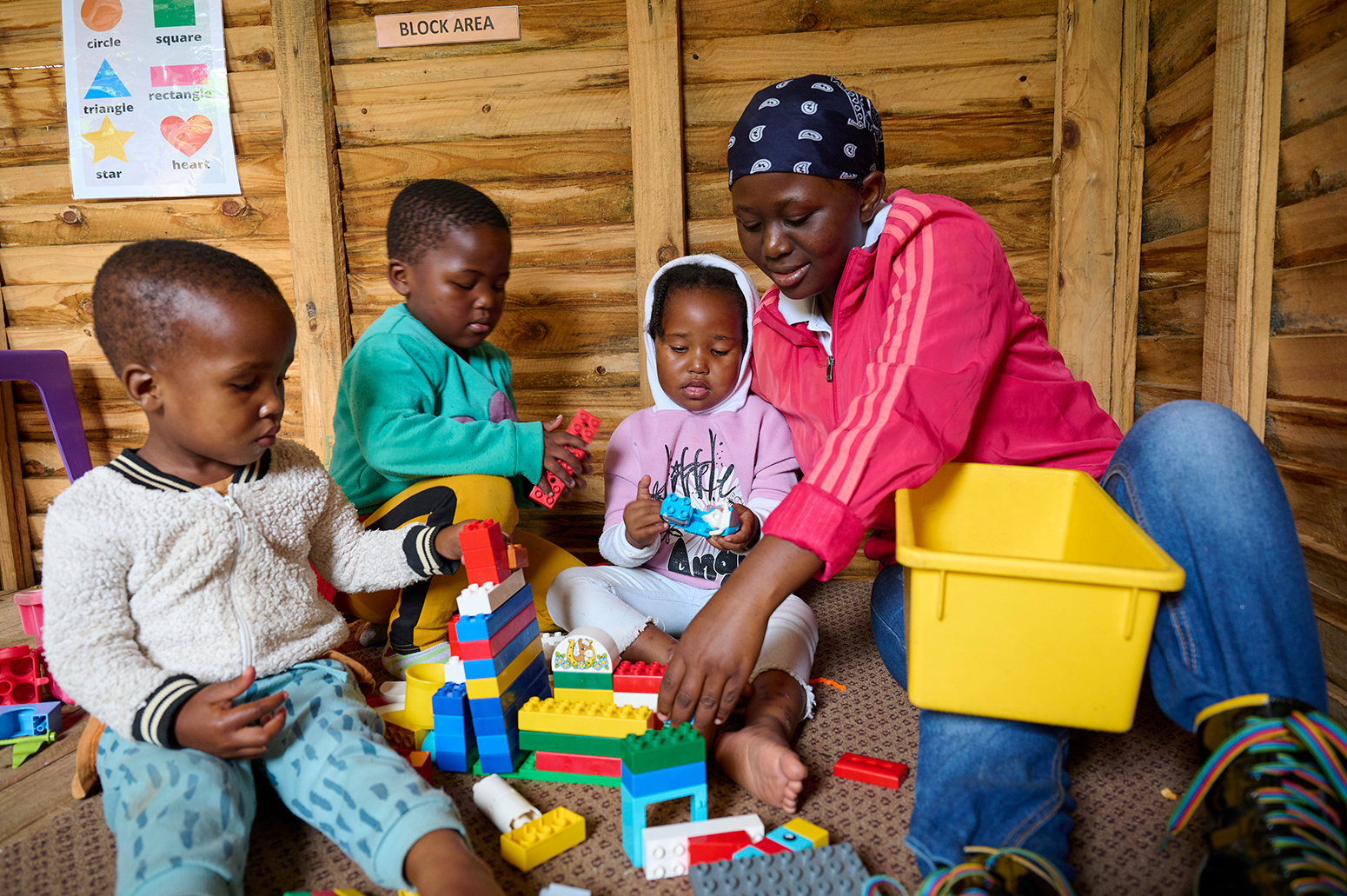


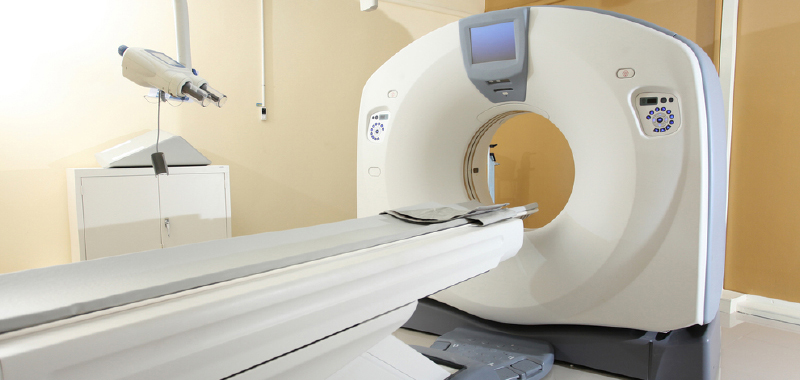
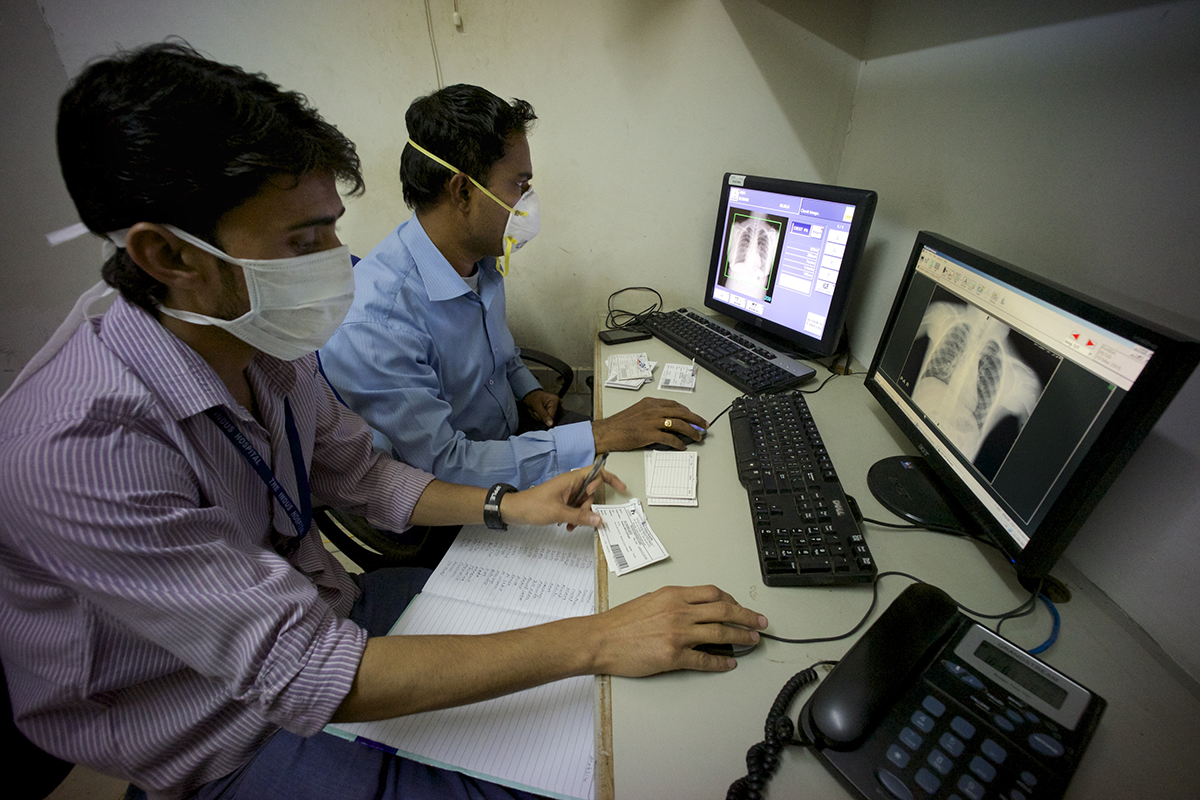
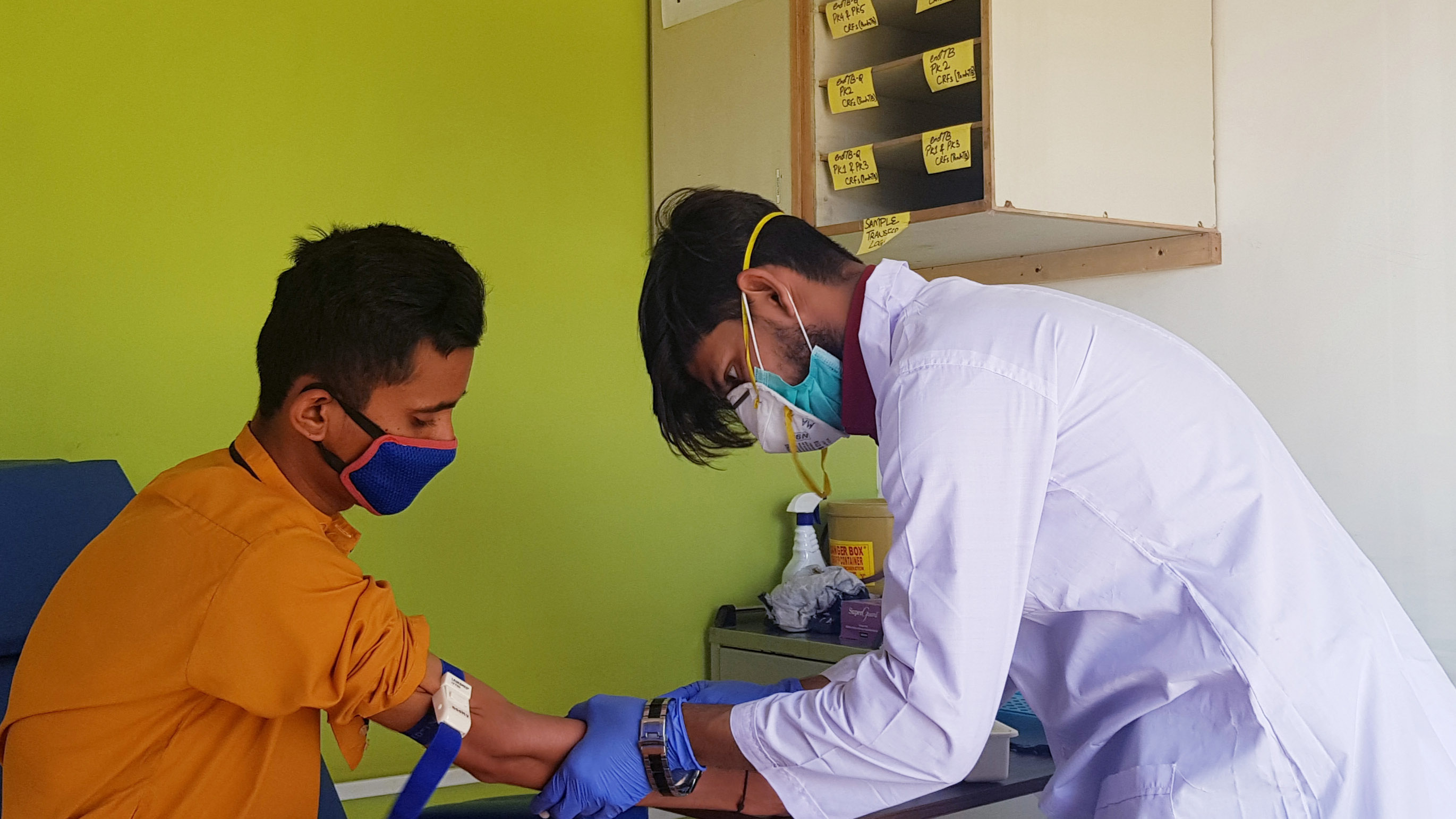
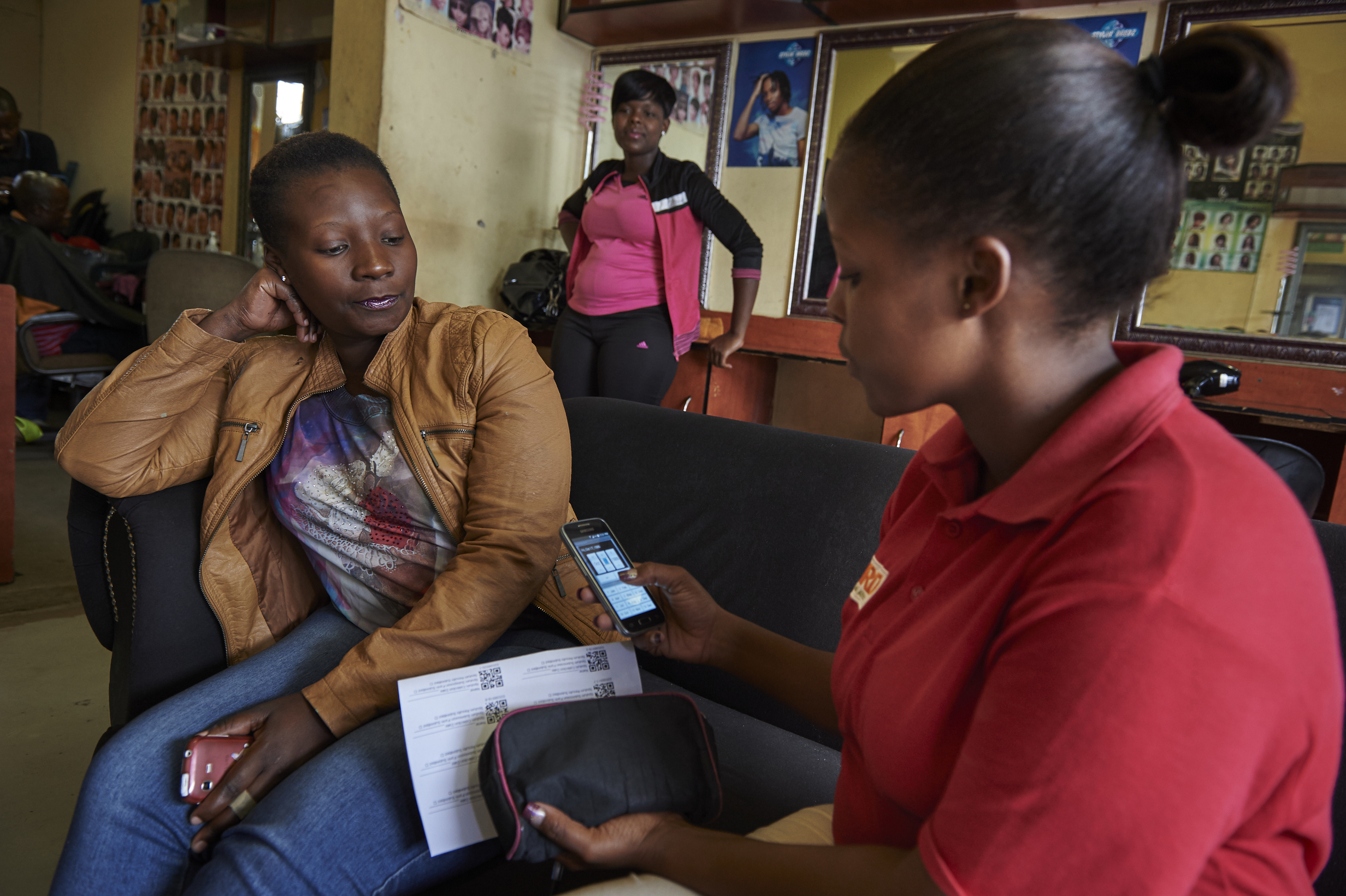
In 2021, HIV remains one of the most stigmatized infections around the world. In South Africa, over 7 million people live with HIV (PLHIV), making it the highest burden country for the disease. Despite 90% of people in South Africa being aware of their HIV status, misconceptions and misinformation continue to alienate PLHIV from their communities, creating a barrier to seek and access treatment care and support. Access to legal services for PLHIV and those that are affected by it, is essential for an effective response to the epidemic.
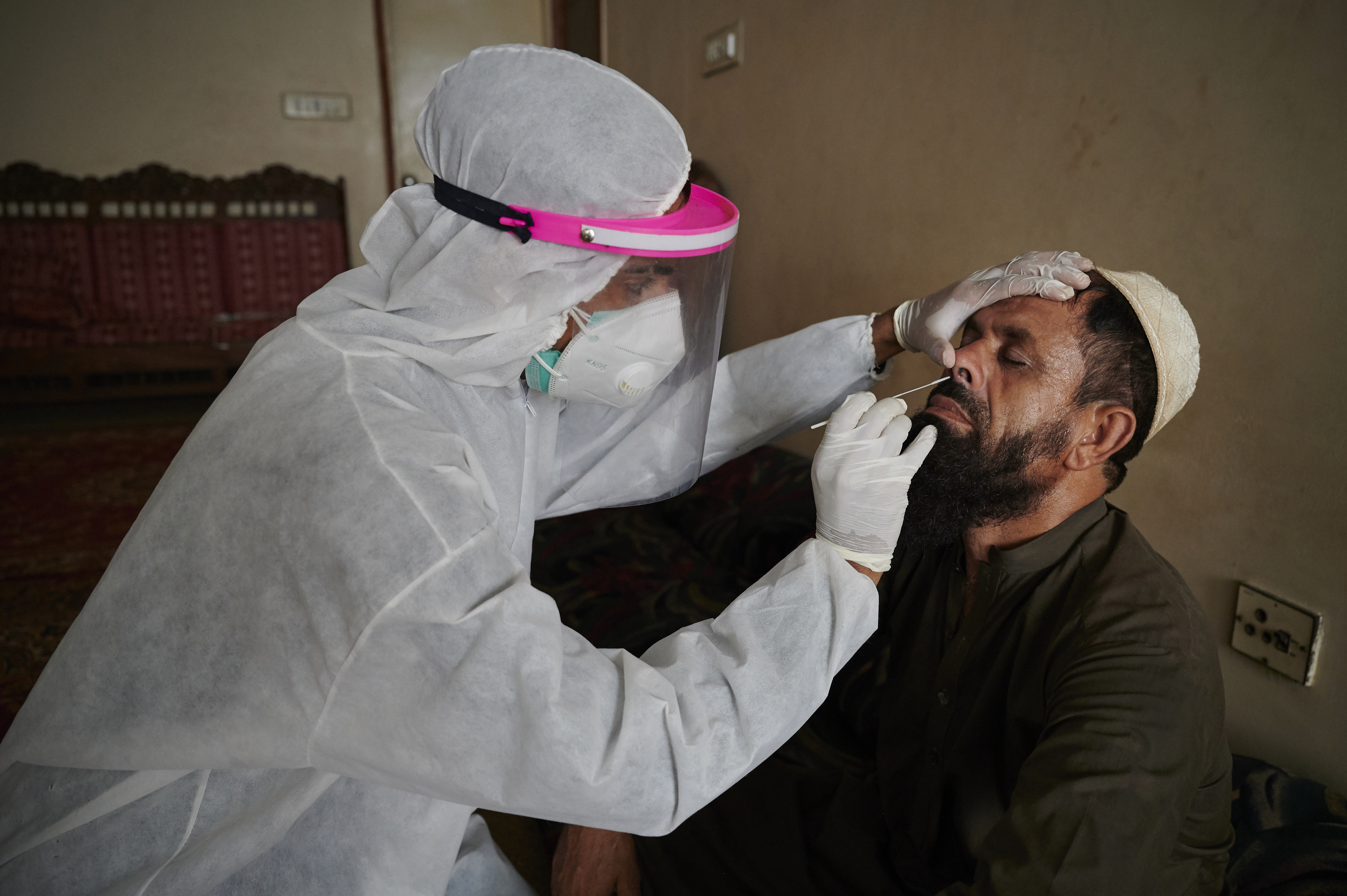
REQUEST FOR PROPOSALS (RFP) Innovations in Covid-19 Antigen RDT Rollout in Underserved Populations: Extension of Deadline for proposal submission
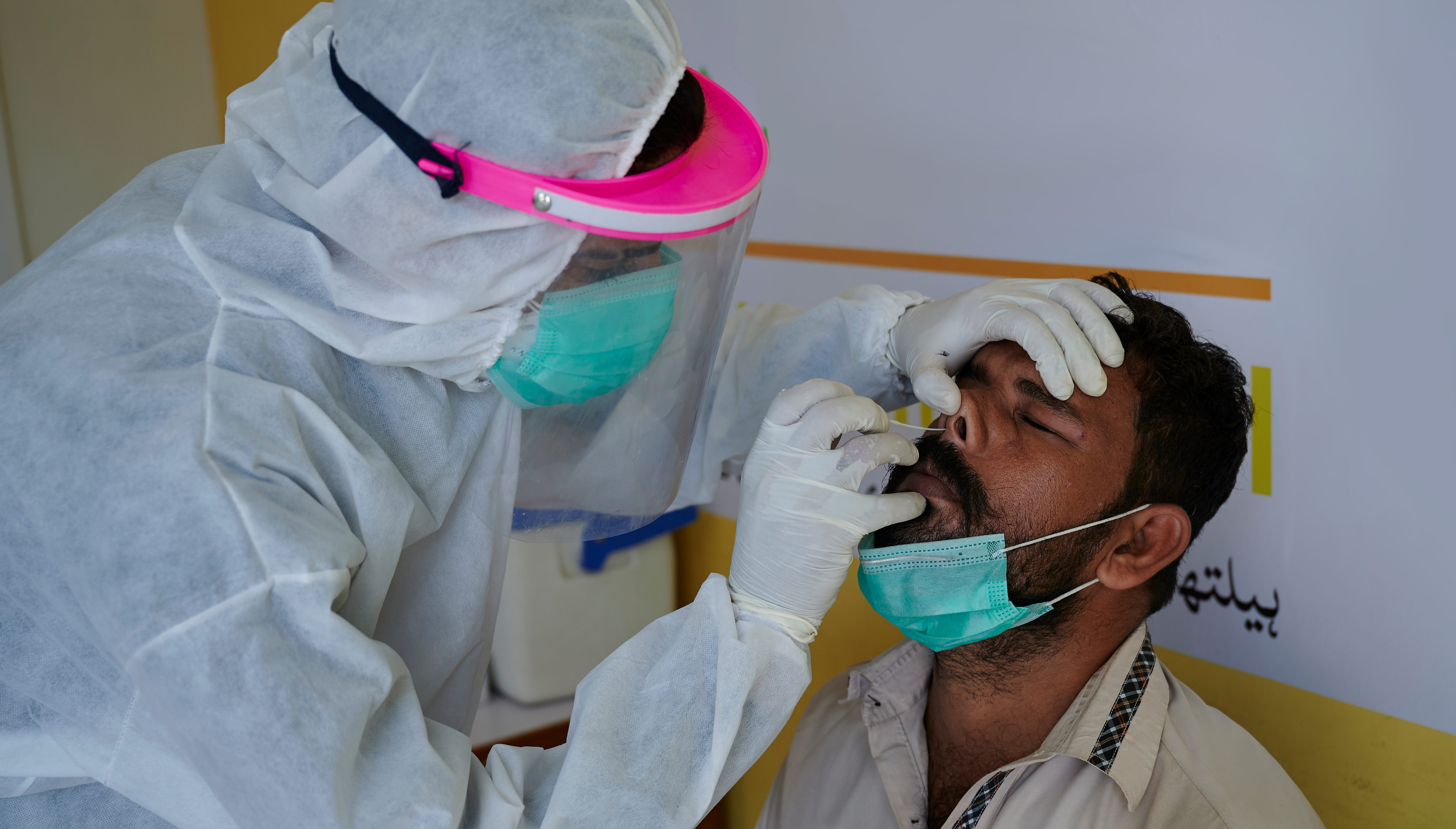
Please see attached for FAQs and Answers.
On behalf of the ACT-Accelerator, FIND and IRD are seeking proposals from organizations with a proven track record of training & capacity building in healthcare and community outreach settings utilizing innovative approaches to implement screening using SARS-CoV-2 Antigen Rapid Diagnostics tests (Ag-RDTs) in low and middle income countries (LMICs).
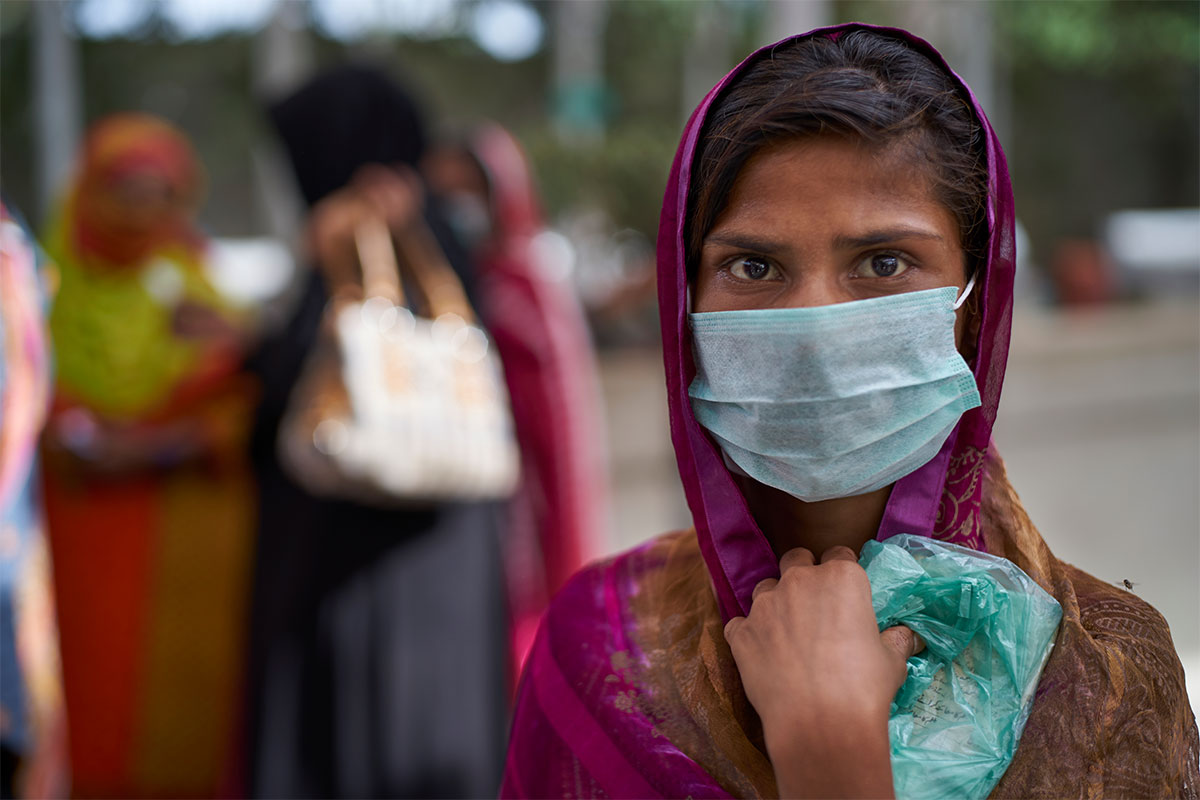
Interactive Research & Development (IRD) categorically rejects the sweeping and groundless allegations in the Global Fund for AIDS, TB and Malaria (GFATM) Investigation Report on the TB grant published on 1 April 2021. We are taking appropriate legal action to defend IRD from the unfounded allegations and findings made against it.

The Lagos State Ministry of Health (LSMoH) is a Principal Recipient (PR) for Integrated Global Fund (GF) Grant comprising of HIV/AIDS, Tuberculosis and Resilient Sustainable Systems for Health (RSSH). As the Principal Recipient, the Ministry of Health is legally responsible for the management of the integrated grant ensuring achievement of the programmatic results and accountability of the grant financial resources.
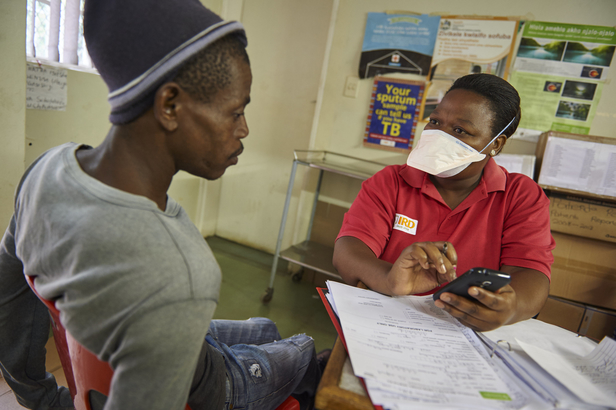
On March 15, 2020, Cyril Ramaphosa, the President of South Africa, declared a national state of disaster. The country was beginning to see an influx of novel Coronavirus (COVID-19) cases.
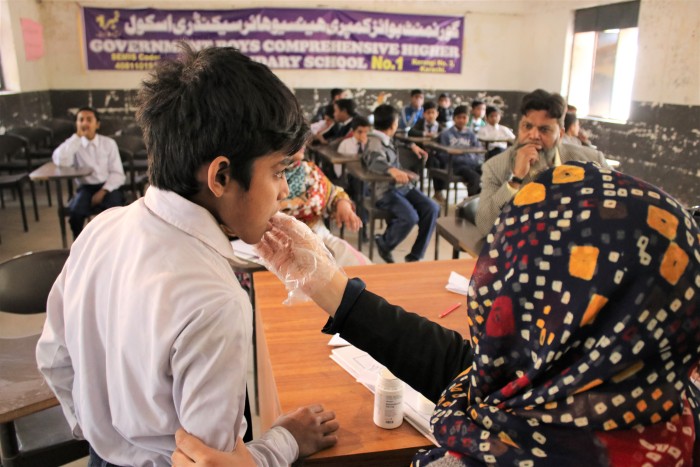
IRD Pakistan is looking for an independent monitoring firm to undertake the “Process Monitoring and Coverage Evaluation of School-Based Deworming in the five districts of Gilgit Baltistan (GB)”.
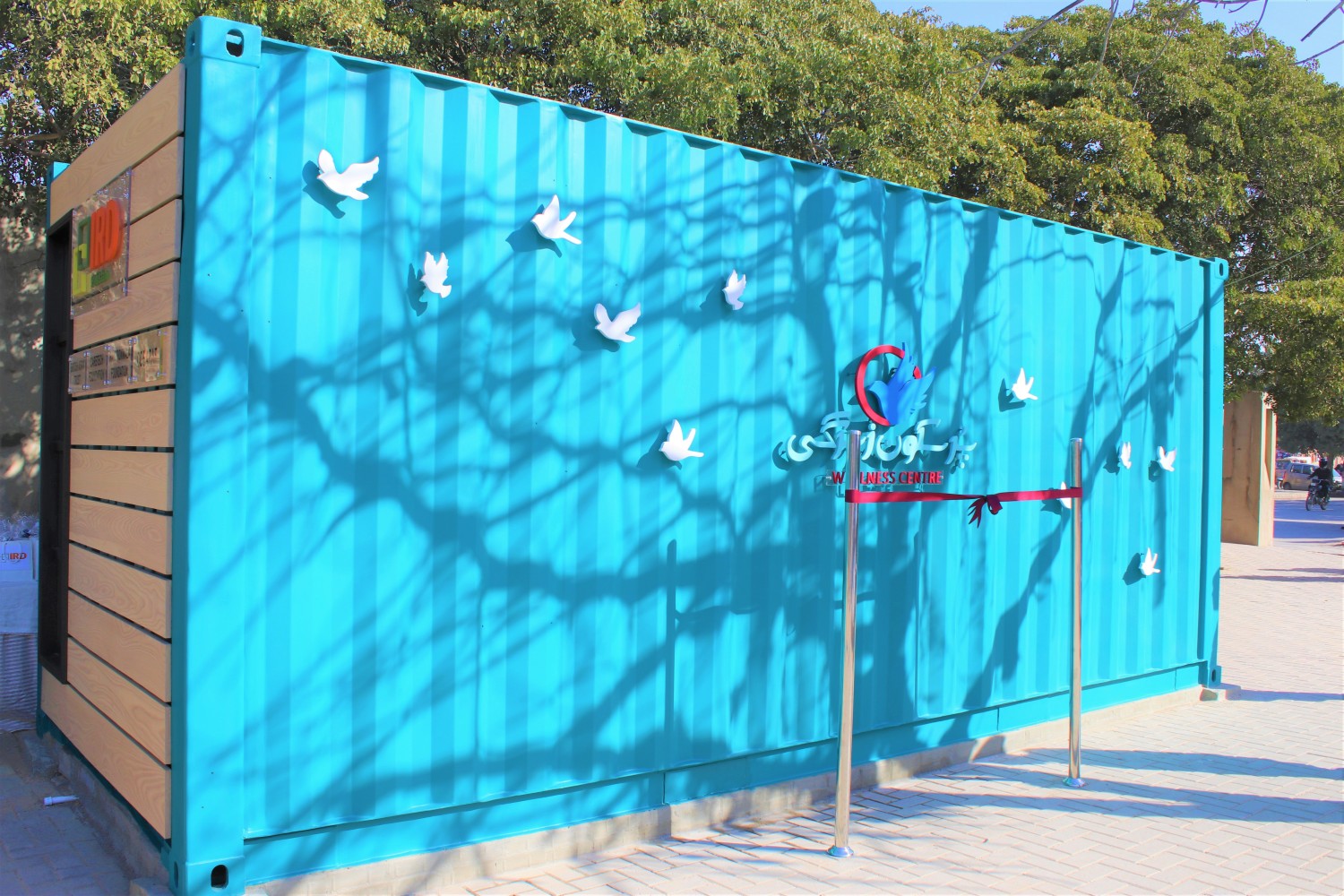
Across Pakistan, there is a lack of mental health services and adequate safe spaces for communities to practice well-being. Last week, the IRD Mental Health Program launched a one-of-a-kind solution to this issue - the Pursukoon Zindagi Wellness Centre, a container facility providing a dedicated safe space to practice emotional and mental well-being.
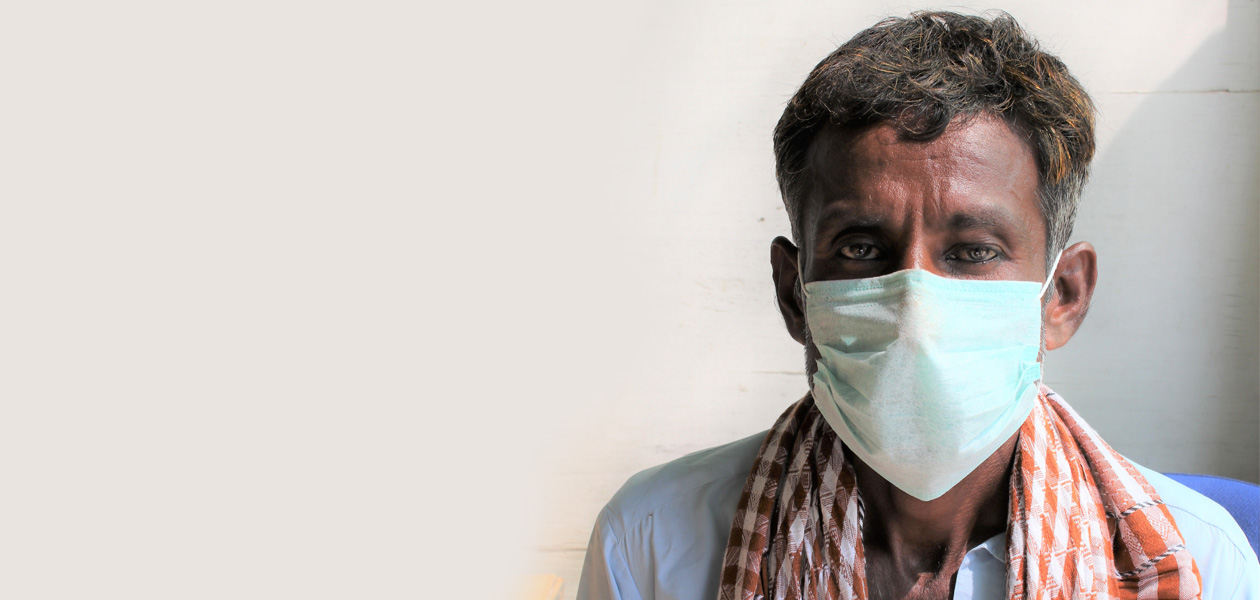
The sole bread-winner of a family living in Thatta, shares his story of perseverance in a pioneering MDR-TB clinical trial.

IRD Pakistan (Pvt.) Limited is looking for an independent monitoring firm to undertake the “Process Monitoring and Coverage Evaluation of School-Based Deworming in the 16 district of Khyber Pakhtunkhwa (KP)”.
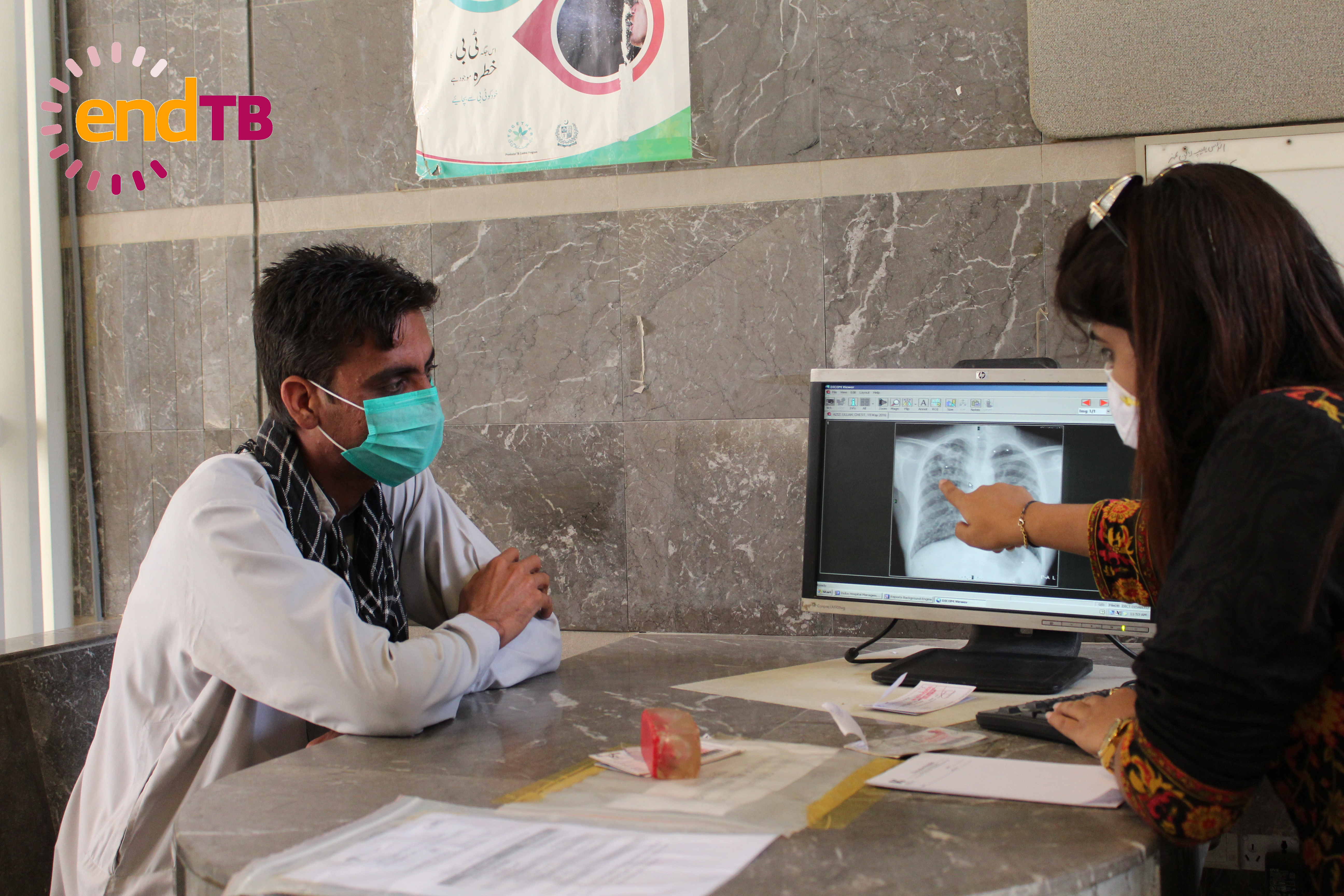
The international medical humanitarian organizations Médecins Sans Frontières / Doctors Without Borders (MSF) and Interactive Research and Development (IRD) announced today the start of a clinical trial in Pakistan that aims to find better, shorter treatments against multidrug-resistant forms of tuberculosis (MDR-TB).
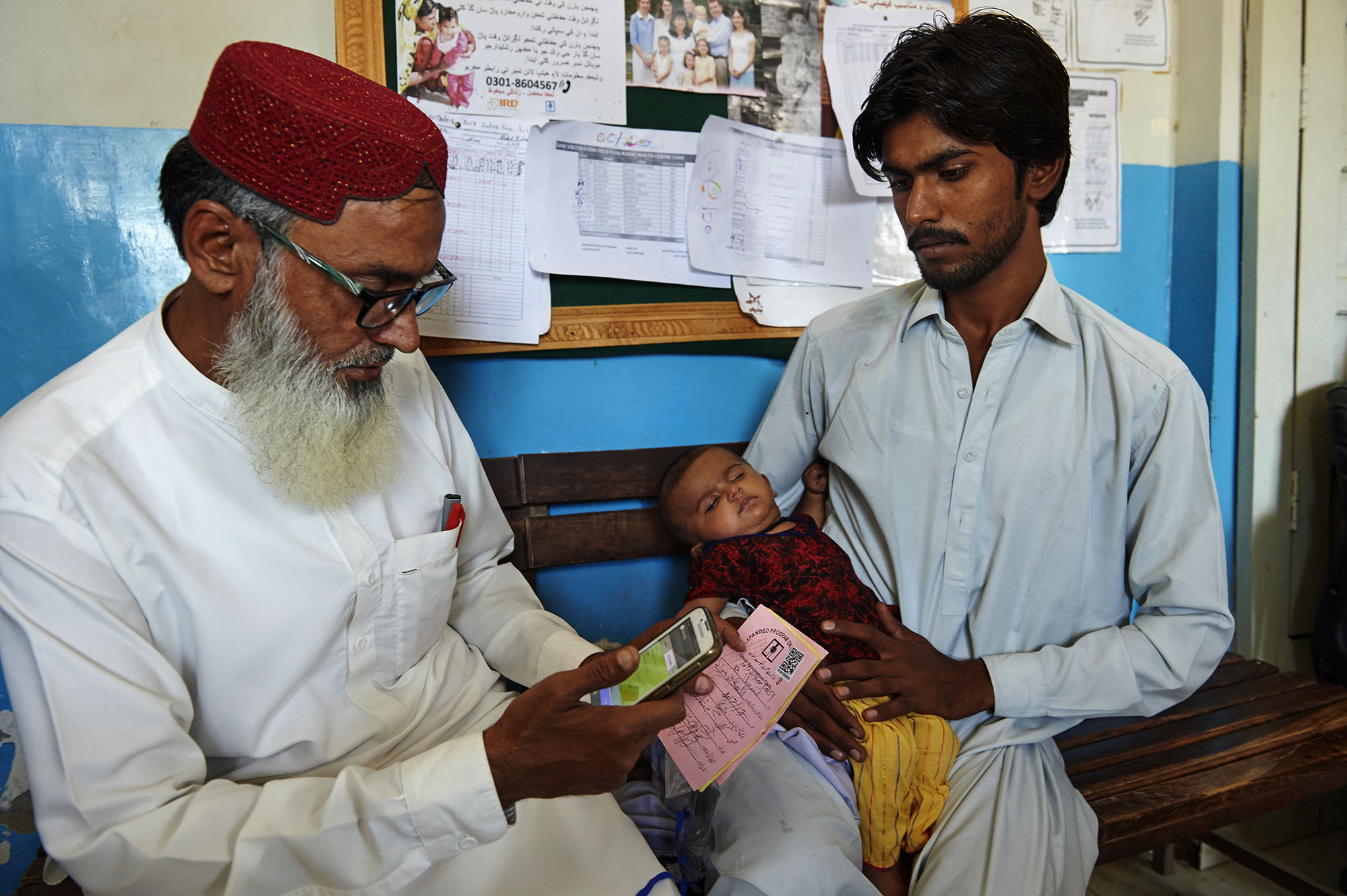
IRD Pakistan is looking for an independent consultant for the design of an android application which will use gamification to train vaccinators.
IRD Pakistan is looking for an independent monitoring firm to undertake the Process Monitoring and Coverage Evaluation of School-Based Deworming in 16 districts of Khyber Pakhtunkhwa (KP).

IRD Pakistan is looking for an independent monitoring firm to undertake the Process Monitoring and Coverage Evaluation of School-Based Deworming in 16 districts of Khyber Pakhtunkhwa (KP).
Interactive Research and Development Pakistan (IRD Pakistan) is looking for an independent evaluation firm to undertake the “Process Monitoring and Coverage Evaluation of School-Based Deworming in the Islamabad Capital Territory (ICT) in Pakistan".

The Challenge TB (CTB) Project is the flagship global initiative for implementing USAID’s TB strategy and is being implemented in 22 countries including Bangladesh by a unique coalition of nine international organizations in TB control.
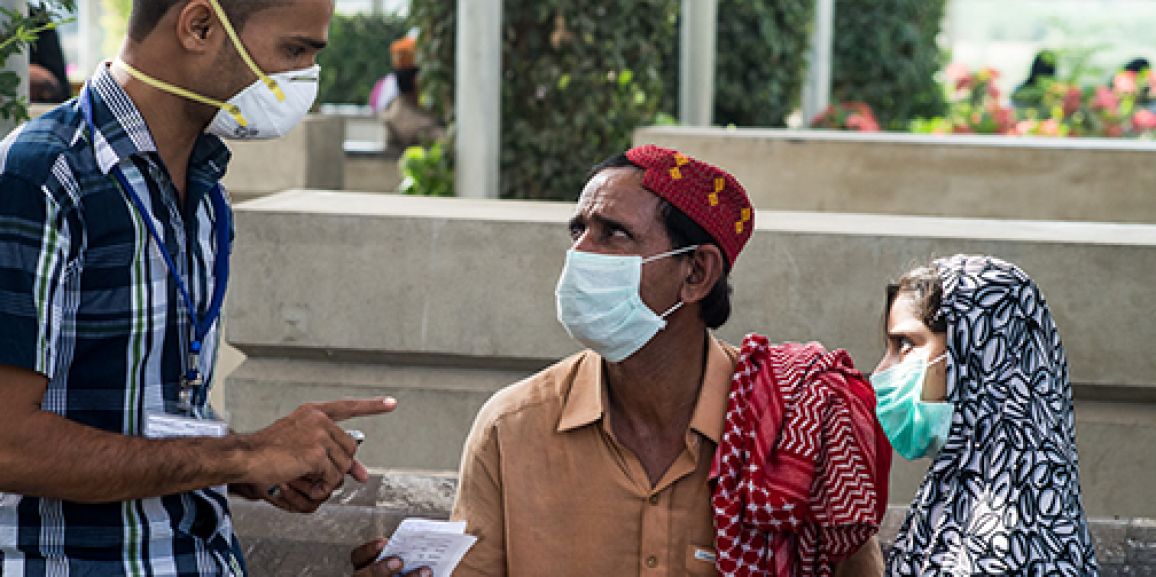
Partners In Health (PIH), Interactive Research and Development (IRD) and the Zero TB Initiative (ZTBI) welcome the release of the interim results from the STREAM Stage 1 clinical trial. This is the first clinical trial of a new treatment regimen for multidrug-resistant tuberculosis (MDR-TB), and we congratulate the investigators for successfully conducting it. Unfortunately, we have noticed much confusion about the results of this clinical trial, both in the lay press and in the countries in which we work.
Fighting off a disease like TB has never been easy since it often comes coupled with issues of stigmatization, discrimination and other health related challenges to individuals who are suffering from it. It is estimated that 51 % of TB patients suffer from comorbid conditions like depression and anxiety due to the fear of social isolation and stress caused by prolonged treatments. Likewise, diabetes, another comorbid condition of TB, suppresses the human immune system and severely affects TB treatment outcomes.
Tobacco smoking significantly increases the risk of Tuberculosis (TB) infection, disease and mortality. The World Health Organization estimates that greater than 20% of the global burden of TB may be attributable to smoking.
Disease and poverty are affecting millions of lives in low income communities of Pakistan. Poor working conditions, unemployment, food insecurity, stress and illiteracy are some of the key social determinants of health that, if not improved, leave a severe impact on the lives of TB patients. If a patient’s surroundings lack socio-economic support systems, there is a decreased chance of attaining desired results during or after treatment.
Frontline Health Workers form the backbone of the health system in LMICs. They are the first contact for primary health care for millions of under served people, yet are burdened by archaic paper systems. Governments struggle to supervise this large workforce, ensure data quality and timeliness of reporting, guarantee appropriate and equitable care under low resource conditions. Time spent on paperwork undermines the quality and coverage of essential services.

endTB will provide access to new anti-TB drugs for more than 3,000 people and run clinical trials to identify safer and more effective treatments.
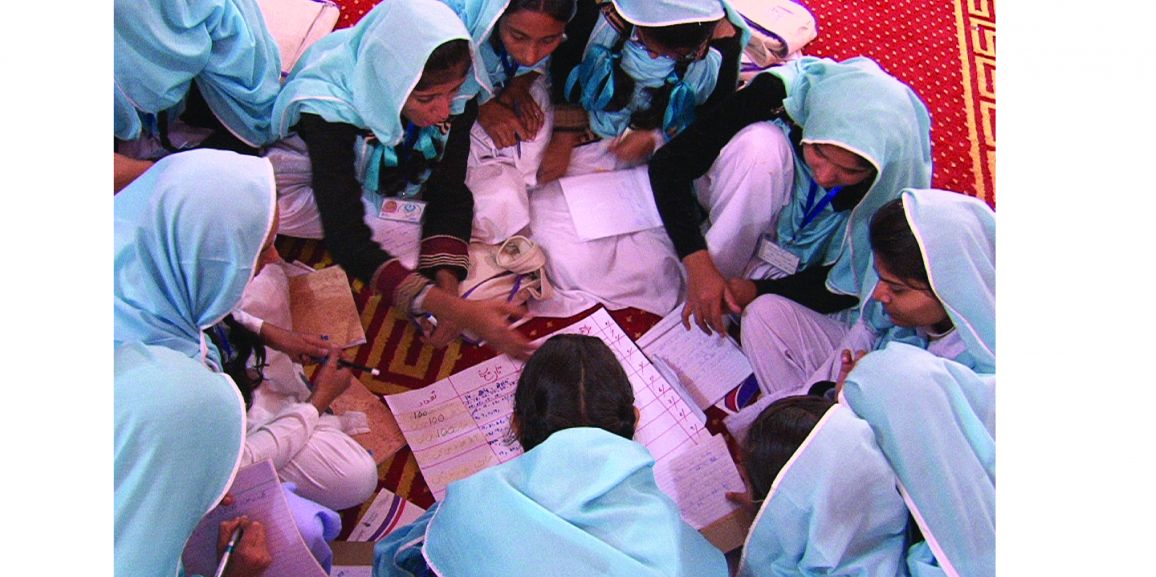
Research shows a unfortunate trend of young adolescent girls in low income populations being particularly vulnerable to Tuberculosis (TB) in Pakistan.
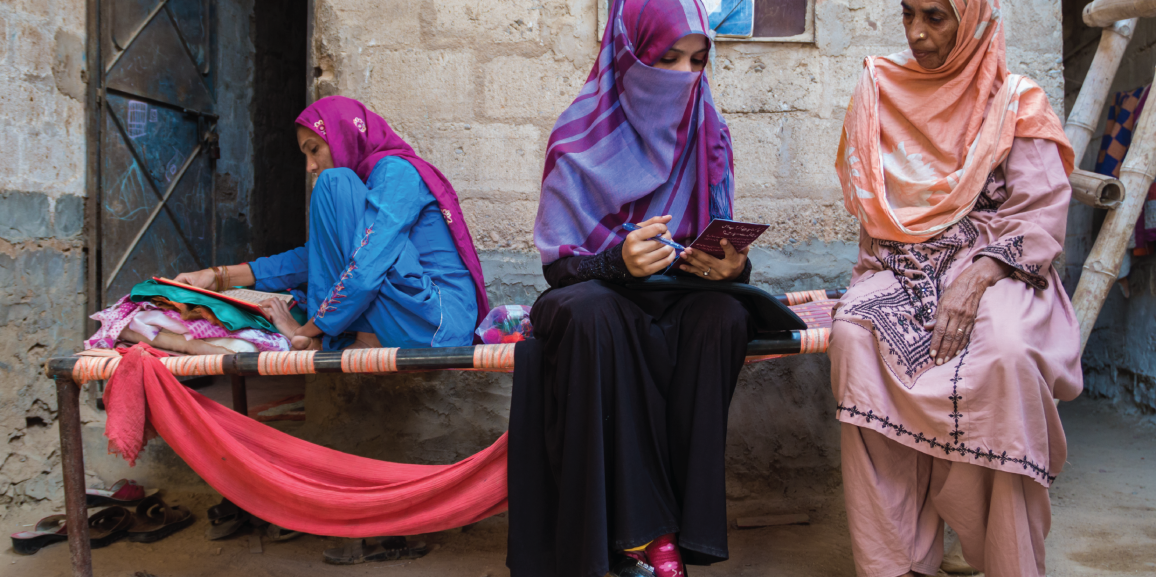
Mental Health is an overlooked and neglected part of healthcare. The Pakistani healthcare system is still struggling to provide primary and secondary healthcare causing mental health services to be pushed on the back burner. With rapid urbanization, disparity of health services and growing socio economic divide – the emphasis of mental health services becomes increasingly important.
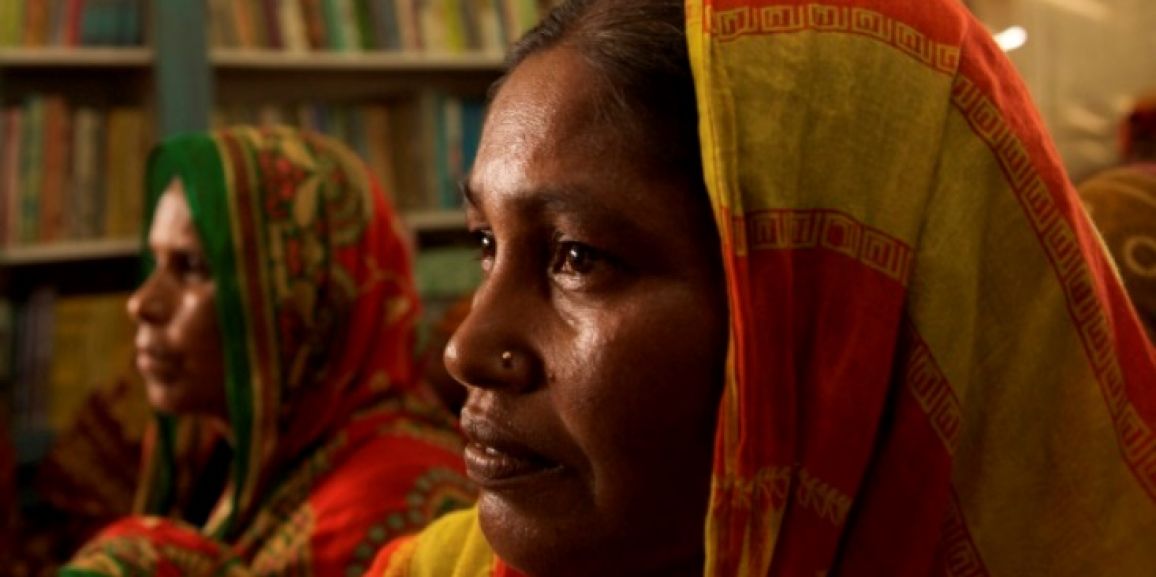
IRD is seeking proposals for software vendors to develop eHealth and mHealth applications for its role in the USAID-funded Challenge TB project.
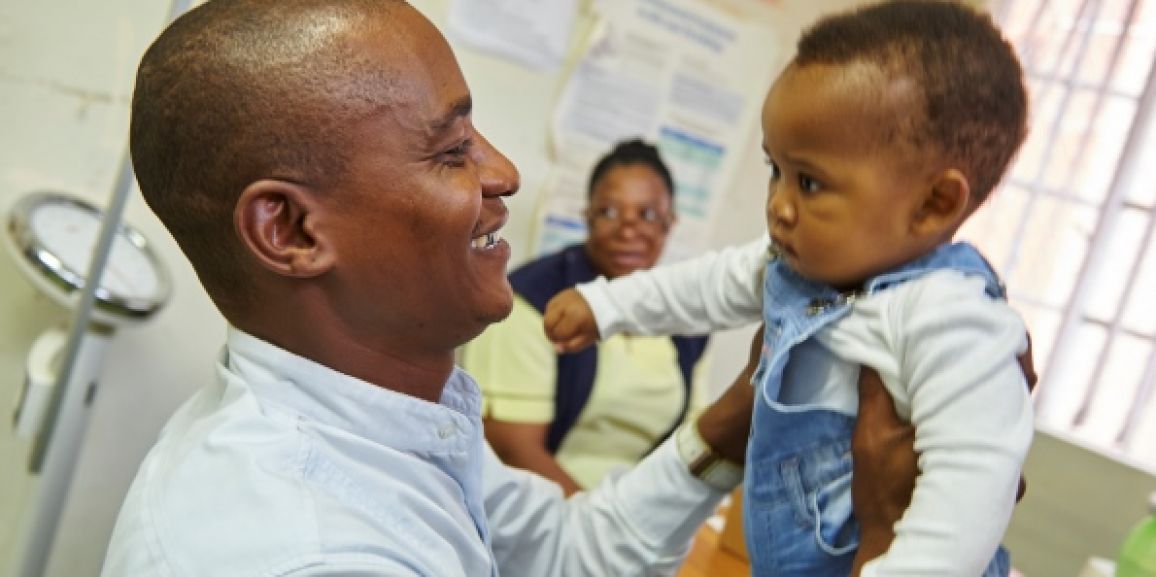
Interactive Research and Development South Africa (IRD SA) is a proud recipient of the TB Reach Wave 5 funding. IRD SA will be implementing a program focusing on identifying children under 5 with TB and people living with HIV. The program is titled “Accelerate and Strengthen the Pediatric, Neonatal and Perinatal cycle for TB and HIV Care and Improve Post-Exposure Management”.


 info@ird.global
 16 Raffles Quay, #16-02, Hong Leong Building, Singapore 048581
 Designed by The Brand Crew

 Careers
 Contact Us