 work for IRD
 contact us


Overview
The Resilient Futures Pakistan Initiative (RFPI) strengthens youth resilience and wellbeing in Karachi’s educational and vocational institutions. Through an innovative collaboration between Queen Mary University of London, English Speaking Union of Pakistan, IRD Pakistan, and SZABIST University, the initiative empowers young people aged 16–24 with the knowledge, skills, and confidence to care for their physical and mental health, advocate for their rights, and build supportive, inclusive communities.
Spanning May 2024 to June 2025, the project combines research, participatory arts, and practical interventions to create lasting social impact across three key domains: mental health and wellbeing, physical health and right based advocacy. The project is implemented across Karachi’s major educational and vocational institutions, including Shaheed Zulfikar Ali Bhutto Institute of Science and Technology (SZABIST), University of Karachi (KU), and Sindh Technical Education and Vocational Training Authority (STEVTA). These diverse environments ensure inclusion of both university and vocational youth, capturing varied experiences and challenges.

396
students screened for mental health conditions

218
students trained through the toolkit

120
youth enrolled in counselling

68
faculty members trained
Our Partners
- Queen Mary University of London (QMUL): Academic leadership and research innovation.
- English Speaking Union of Pakistan (ESUP): Youth engagement and communication development.
- People’s Palace Projects (PPP): Arts-based research and social transformation through theatre.
- Interactive Research and Development (IRD) Pakistan: Implementation lead on mental health, training, research, and theatre.
- Shaheed Zulfikar Ali Bhutto Institute of Science and Technology (SZABIST): Educational engagement and capacity building.
- Educational Partners: University of Karachi and Sindh Technical Education and Vocational Training Authority (STEVTA).
The Need
The Need

In Pakistan, nearly 60% of the population
In Pakistan, nearly 60% of the population is under 25 — yet young people face growing pressures around academics, social expectations, and identity, often with little access to mental health support or safe spaces for dialogue. Research highlights alarming declines in physical activity, increasing rates of anxiety and depression, and limited understanding of youth rights.

Educational and vocational institutions
Educational and vocational institutions provide a vital entry point for change. By integrating mental health promotion, resilience-building, and advocacy training into these settings, young people can be equipped to navigate life’s challenges with confidence and purpose.


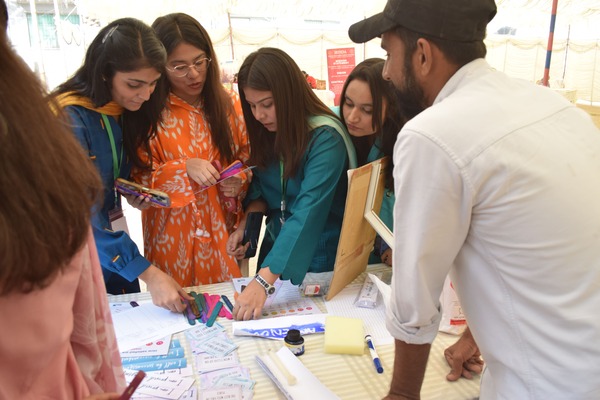
Our Approach: Delivery
RFPI takes a multi-disciplinary, participatory approach to building resilience among youth, combining evidence-based research with creative expression and community action.
- Co-created Youth Resilience Toolkit: Developed with input from students and faculty, addressing three domains — mental health, physical health, and youth rights and advocacy.
- Training & Capacity Building: Interactive training for over 280 students and faculty members using practical exercises, reflection, and discussion to improve knowledge, attitudes, and practices.
- Mental Health Screening & Counselling: 396 young people screened; 120 received free counselling sessions from trained mental health counselors.
- Participatory Theatre (Theatre of the Oppressed): Eight student-led performances across institutions provided safe spaces for dialogue on issues like academic stress, family pressure, and peer relationships.
- Mobilization & Awareness: Campus-based activities — including mental health stalls, games, and discussions — helped normalize conversations about wellbeing and encourage help-seeking.
Our partners
PDI has a nationwide footprint, focusing on districts identified by the national STH survey— 47 at-risk districts requiring annual deworming.
The Drivers Behind Our Impact
The Drivers Behind Our Impact
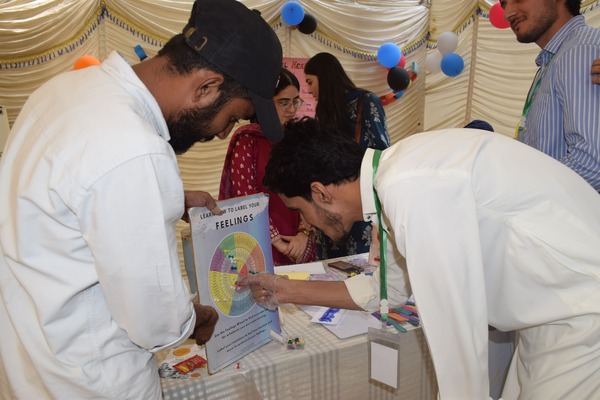
Co-Production with Youth
Toolkits and trainings designed with students and faculty for contextual relevance and ownership.

Evidence-Based Practice
Use of KAP surveys and pre–post assessments to track learning and behavioral change.

Arts for Advocacy
Theatre used as a platform for expression, empathy, and collective problem-solving.

Integrated Mental Health Services
Screening, counselling, and awareness integrated into existing institutional structures.

Sustainability through Partnerships
Academic, government, and community collaborations ensure long-term scalability and policy influence.