 Work for IRD
 Contact us


Overview
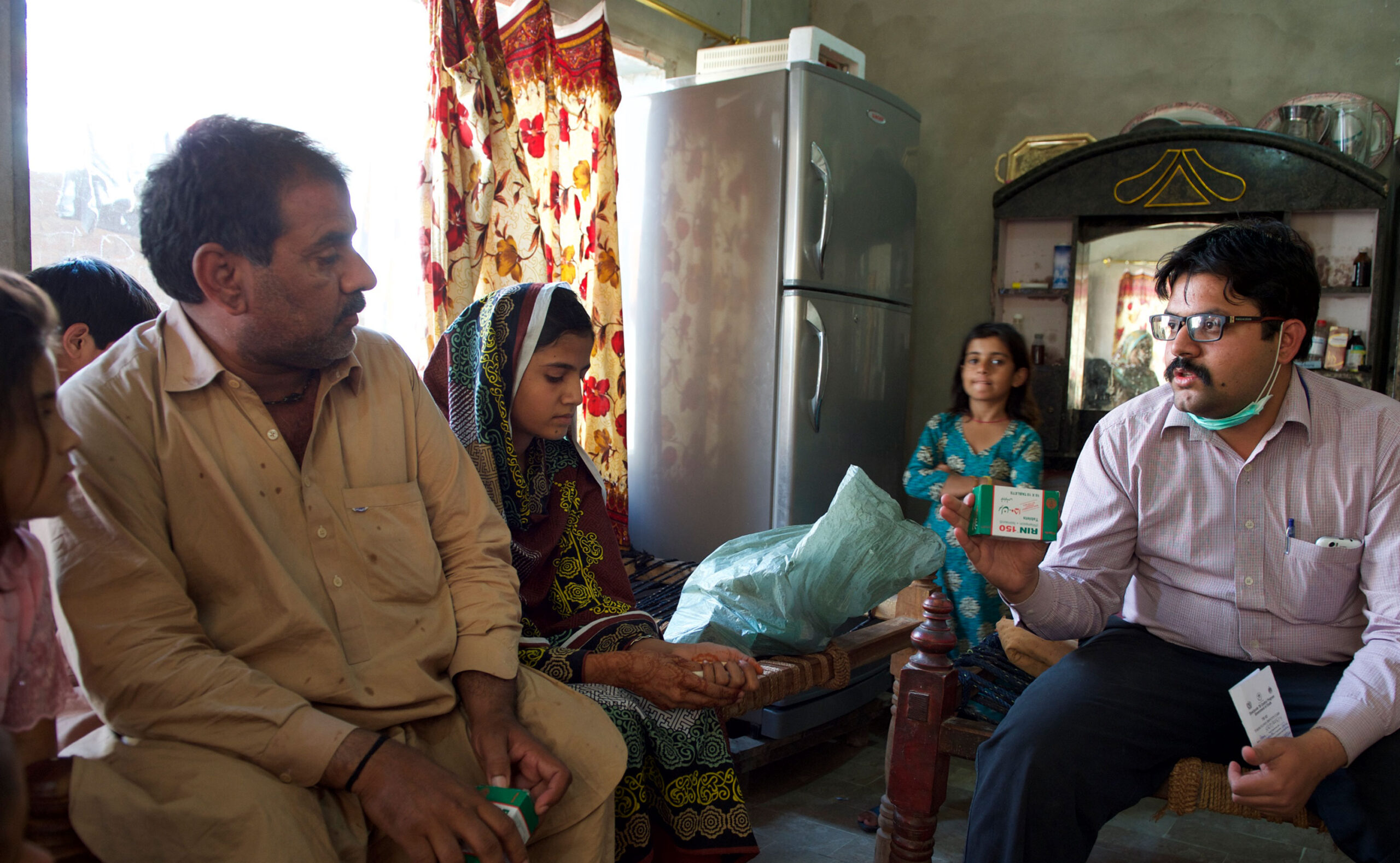
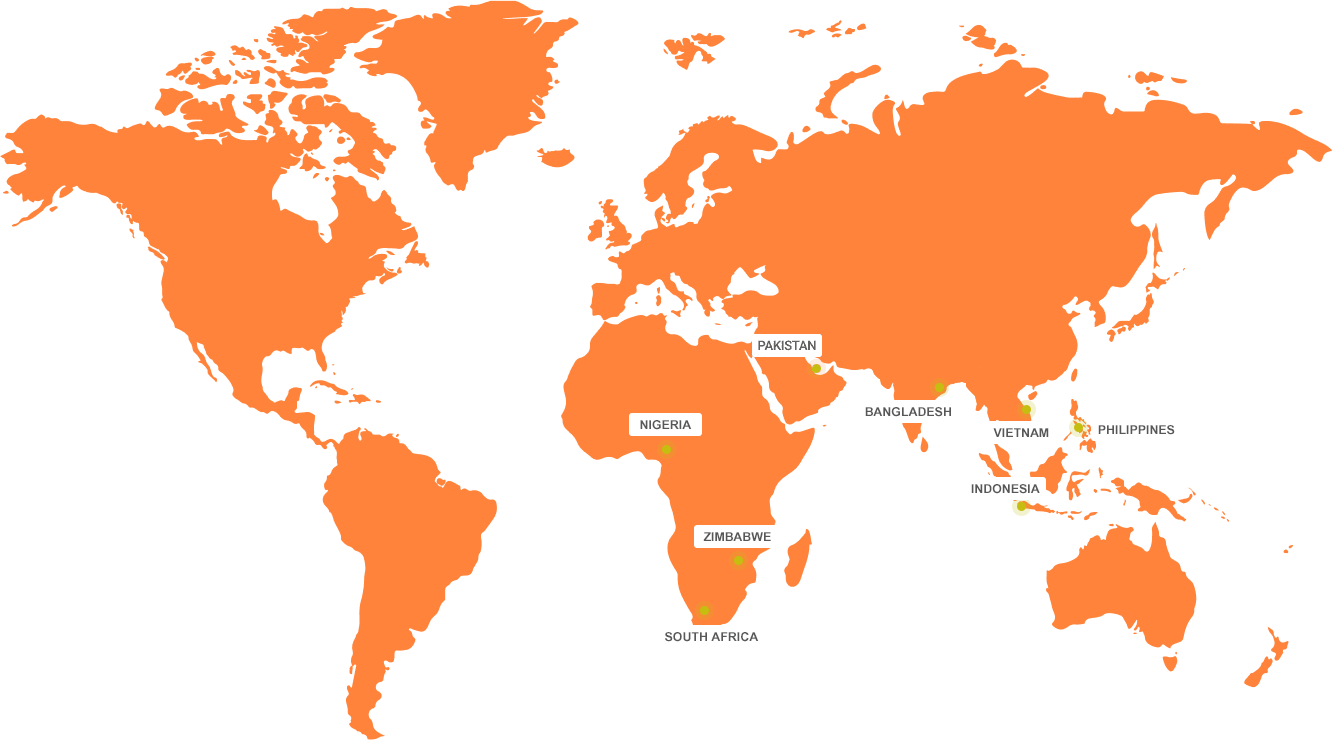
The TB REACH Wave 10 is a community-led integrated service delivery project designed to improve access to tuberculosis (TB), hepatitis C (HCV), and mental health (MH) services in three predominantly rural districts of the province of Sindh in Pakistan. With the Communicable Disease Control (CDC) Sindh as its key implementation partner, IRD launched this initiative, named Dastak, to enable early detection and treatment through mobile, decentralized, point-of-care models of care delivery. It brings together district health authorities, Community Action Groups (CAGs), and lay healthcare workers to deliver timely, high-quality care. TBR-10 operates across Mirpurkhas, Tando Allahyar, and Tharparkar districts, delivering services through community camps, mobile health vans, and selected public-sector facilities. The program prioritizes communities with limited access to diagnostic and treatment services, ensuring care reaches households that need it most.

42,000+
individuals screened for TB

13,500+
individuals screened for HCV

5,500+
individuals screened for mental health conditions

650+
HCV patients diagnosed and linked to treatment
Our Partners
- Government Stakeholders: The program is implemented in collaboration with the Communicable Disease Control (CDC) Sindh, which provides strategic oversight and facilitates linkages with public health facilities.
- Supporting Partner: Stop TB Partnership (Wave 10) provides funding and technical guidance for program implementation.
- Local Implementation Partners: IRD works alongside district health authorities, frontline providers, and a wide network of civil society and non-governmental organizations, including TRDP (Thardeep Rural Development Programme), PPHI (People’s Primary Healthcare Initiative), SIF (Secours Islamique France), RDF (Rural Development Foundation), RMNCH (Reproductive Maternal, Neonatal, and Child Health), and SHINE Humanity. These collaborations support community mobilization, awareness campaigns, patient referrals, and integrated service delivery in remote and underserved areas.
The Need
The Need
Rural communities in Sindh face significant barriers
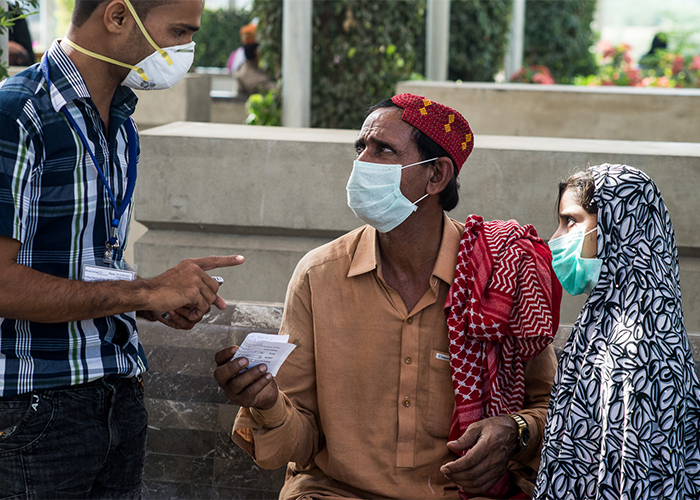
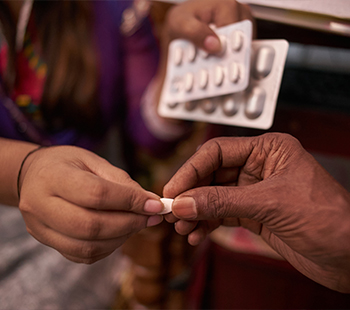
Rural communities in Sindh face significant barriers to timely diagnosis and treatment for TB, HCV, and mental health conditions. Health infrastructure is limited, and long travel distances, combined with low awareness of these diseases, often prevent people from seeking care early. Fragmented service pathways further complicate access, requiring individuals to navigate multiple facilities for different conditions, which delays treatment and increases the risk of complications. Additionally, women, children, elderly people, minority groups, climate affectees, and refugees are at a higher risk due to cultural norms or socioeconomic factors. Dastak addresses these gaps by bringing services closer to communities through mobile screening camps, point-of-care diagnostics, and community-led referral systems. The program not only improves early detection and treatment initiation but also strengthens follow-up and continuity of care for marginalized populations.
Our Approach
TBR-10 delivers an integrated, community-led model to improve access to TB, HCV, and mental health services in rural Sindh through a combination of mobile outreach, community engagement, and strengthened linkages to care.
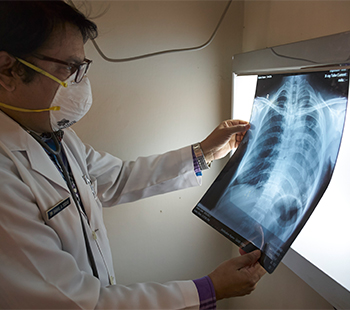
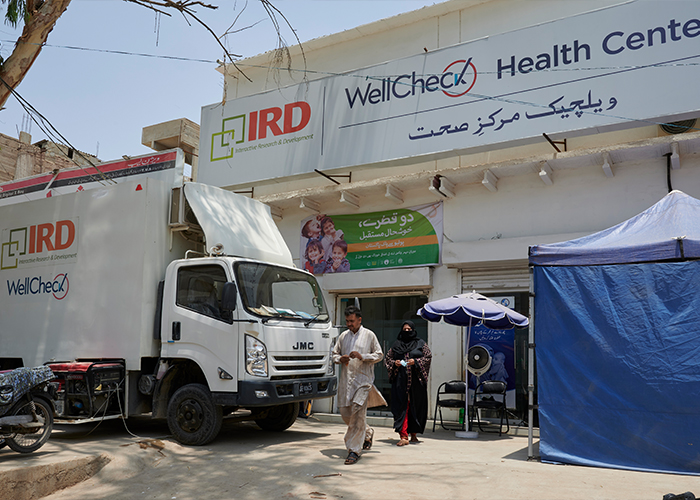
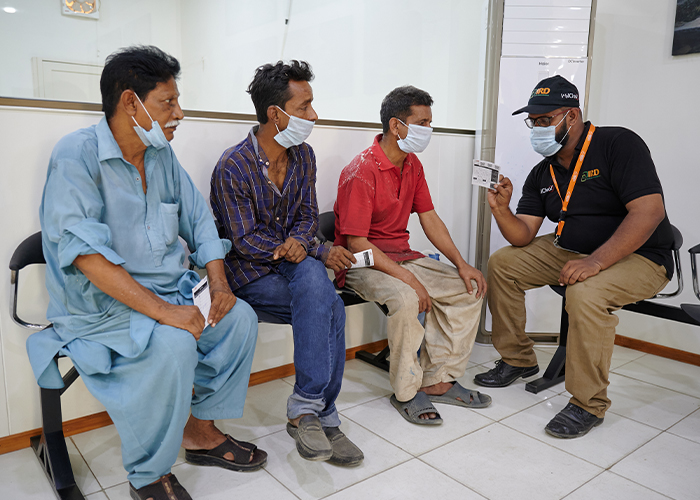
- Targeted ISD Camps: Mobile vans equipped with digital X-ray machines with Artificial Intelligence (AI)and point-of-care GeneXpert testing are used to conduct targeted community camps in pre-identified disease hotspots. These camps provide on-the-spot screening, point-of-care diagnostics, and linkage to treatment for TB, HCV, and mental health conditions.
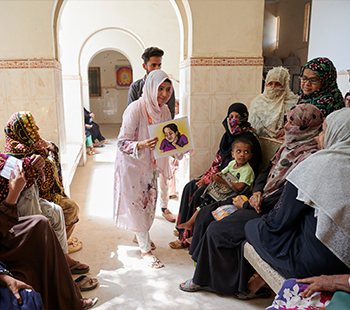
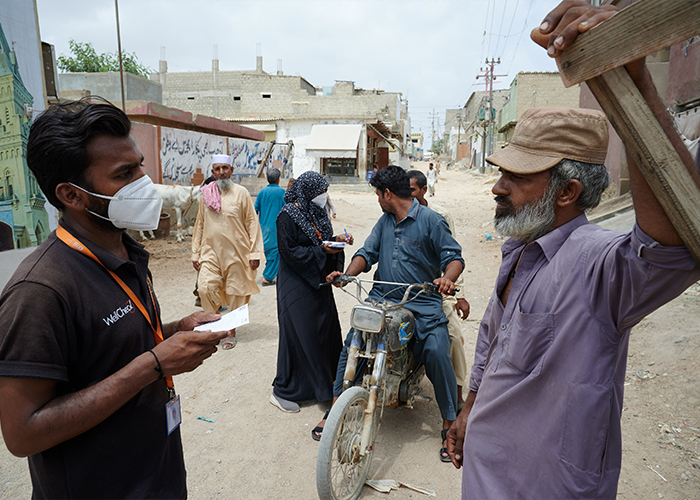
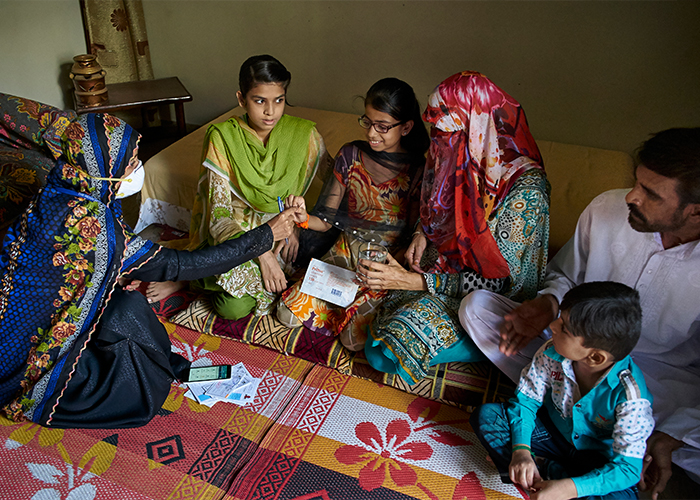
- Community-Led Mobilization and Engagement: Trained Community Action Group (CAG) members lead community engagement, building awareness about prevalent diseases and guiding individuals to facility- or community-based services. Gender-inclusive pathways are promoted through the involvement of women CAG members and trained female healthcare workers, fostering trust and accessibility for all community members.
- Access to Care: Supported by CDC Sindh, the program has established linkages with a network of Basic Management Units across three districts, providing free treatment for TB, HCV, and mental health conditions. The mobile health clinic further extends access, reaching some of the remotest villages and ensuring that care is timely, high-quality, and culturally sensitive.
Our partners
PDI has a nationwide footprint, focusing on districts identified by the national STH survey— 47 at-risk districts requiring annual deworming.
The Drivers Behind Our Impact
The Drivers Behind Our Impact
Community-Centred Design
Locally tested solutions and active involvement of Community Action Groups (CAGs) ensure interventions are culturally relevant, trusted, and effective.
Decentralized Service Delivery
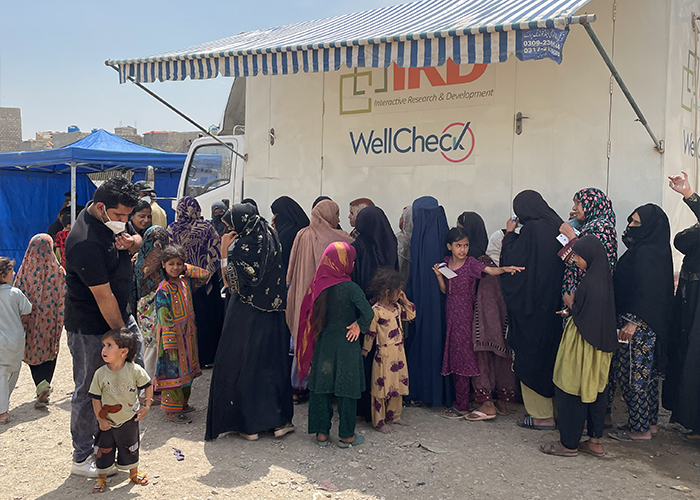
Mobile health vans, targeted ISD camps, and facility linkages bring screening, diagnostics, and treatment directly to underserved populations, reducing barriers related to distance, cost, and accessibility.
Capacity Strengthening
Training healthcare workers and TB/HCV/MH practitioners equips them to provide integrated, high-quality care and maintain continuity across services.
Adaptive Implementation
Flexible strategies allow teams to adjust camp schedules, navigate infrastructure challenges, and respond to local needs, ensuring uninterrupted service delivery even in remote or resource-constrained areas.
Gender-Inclusive Engagement
Inclusion of women CAG members and trained female healthcare workers promotes trust, awareness, and equitable access to care for women in marginalized communities.