 Work for IRD
 Contact us


Overview
The Community-led, Gender-Responsive Pathways for the Equitable Management of TB and Associated Respiratory and Mental Health Conditions project is funded through the Stop TB Partnership’s TB REACH Wave 11 and Wave 11+ initiatives.
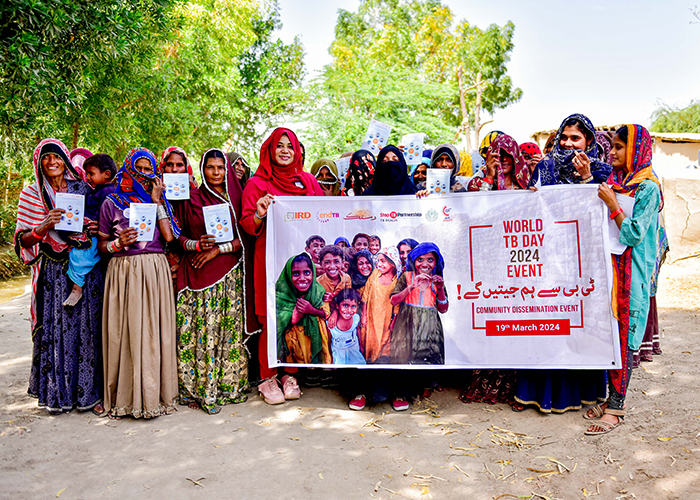
Implemented by IRD in rural Sindh, Pakistan, the project delivers an integrated model of care that addresses tuberculosis (TB), chroic respiratory diseases (CRDs) such as asthma and COPD, and associated mental health conditions. The project combines community outreach, innovative diagnostic technologies, person-centered treatment options, and health systems strengthening to improve access to quality care for underserved populations.
With a strong focus on women, vulnerable populations, and rural communities, the project seeks to create equitable and sustainable pathways to diagnosis, treatment, and long-term disease management. The project operates in rural districts of Sindh, including Tando Allahyar and Tharparkar. Key interventions include community and facility-based screening for TB and chronic respiratory diseases, AI-enabled chest X-ray screening, pulmonary function testing, point-of-care GeneXpert testing, community-led awareness and engagement, choice-based treatment options including mobile clinics and telehealth services, capacity building for healthcare providers and primary healthcare facilities, integrated mental health support, and research on near point-of-care TB testing models in rural and peri-urban settings.

29,000+
individuals screened for TB and respiratory conditions

500+
individuals diagnosed and linked to treatment
Our Partners
The project is funded by:
- Stop TB Partnership (TB REACH Wave 11 and Wave 11+)
Implementation is carried out by IRD in collaboration with:
- Provincial and district health authorities
- Primary healthcare facilities
- Community Action Groups (CAGs)
- Local community leaders and stakeholders
Together, these partnerships help ensure that services are responsive to community needs and aligned with national health priorities.
The Need
The Need
Drug-resistant tuberculosis remains
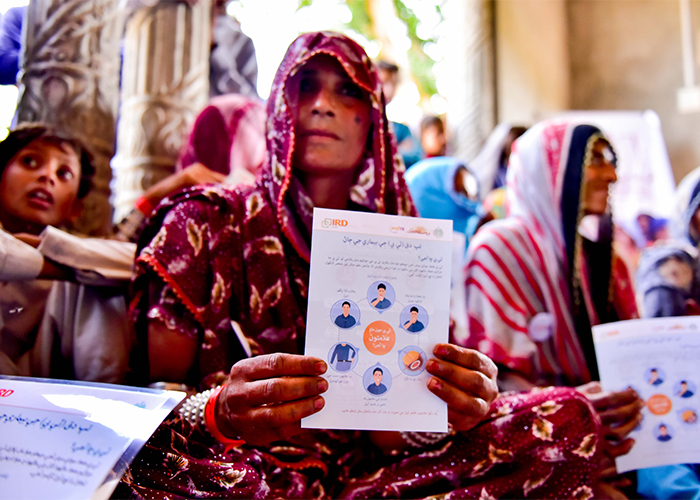
Tuberculosis, asthma, COPD, and mental health conditions often coexist, yet health systems traditionally address them separately. In rural Pakistan, limited awareness, delayed diagnosis, restricted access to specialized services, and gender-related barriers can prevent people from receiving timely care.
Women and vulnerable populations are particularly affected by these challenges. Many individuals remain undiagnosed or untreated, contributing to poorer health outcomes and ongoing disease burden.
This project responds by integrating services, strengthening primary healthcare systems, and empowering communities to play an active role in health promotion and care-seeking.
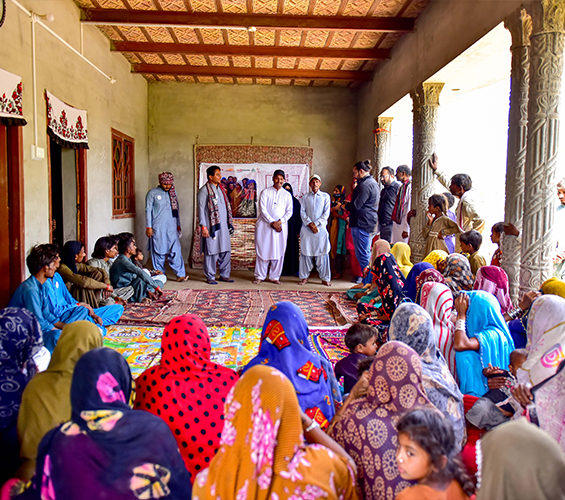
Our Approach: Delivery
We believe that people do not experience tuberculosis, respiratory disease, and mental health challenges in isolation—and healthcare systems should not treat them that way.
The TB Wave 11 & Wave 11+ project uses an integrated, community-led model that addresses TB, chronic respiratory diseases, and mental health conditions through a single, coordinated pathway of care.
Our approach focuses on:
Delivering Integrated Care
We screen, diagnose, and manage TB, asthma, COPD, and associated mental health conditions through a unified service delivery model that improves patient experience and health outcomes.
Bringing Services Closer to Communities
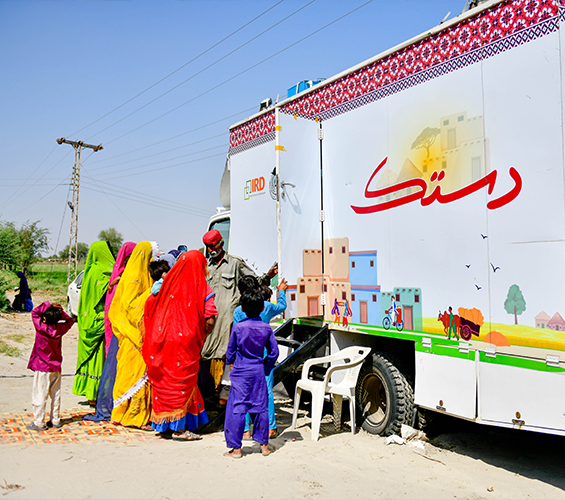
Through community outreach activities, mobile service delivery, and telehealth options, we reduce barriers to healthcare access for people living in rural and underserved areas.
Prioritizing Equity and Gender Responsiveness
We design interventions that address the unique barriers faced by women and vulnerable populations, ensuring healthcare services are accessible, acceptable, and responsive to community needs.
Leveraging Innovation for Better Health
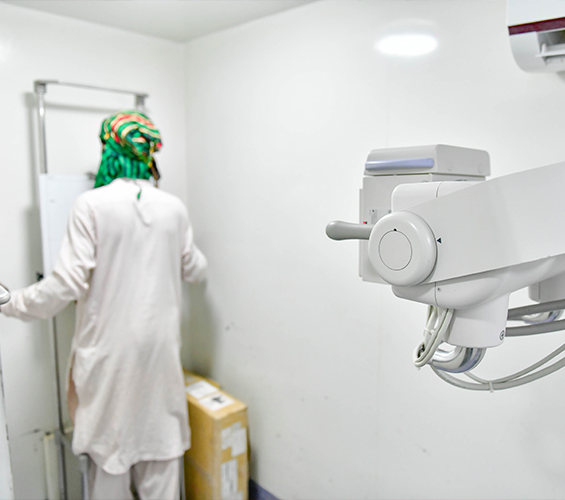
We utilize AI-enabled chest X-ray screening, pulmonary function testing, and rapid molecular diagnostics to improve early detection and timely treatment initiation.
Strengthening Local Health Systems
We work closely with primary healthcare facilities to enhance provider capacity, improve service quality, and build sustainable systems for integrated disease management.
Empowering Communities
Community Action Groups and local stakeholders play a central role in awareness generation, health promotion, patient support, and improving demand for healthcare services.
Generating Evidence for Scale
Through implementation research and operational learning, we generate evidence that informs policy, strengthens programs, and supports the expansion of effective models of care across Pakistan and beyond.
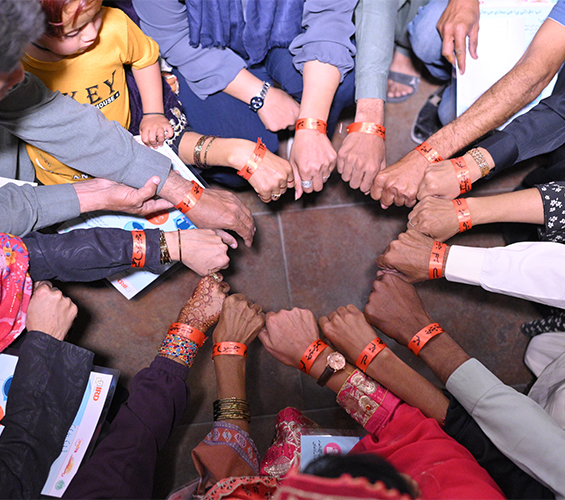
Impact
The project has demonstrated the value of integrated, community-based care in reaching underserved populations.
Key achievements include:
- Screened more than 29,000 individuals for TB and respiratory health conditions
- Diagnosed and linked over 500 individuals to treatment and care services
- Expanded access to care for people living with TB, asthma, and COPD
- Strengthened community engagement through Community Action Groups (CAGs)
- Increased capacity of primary healthcare facilities to deliver integrated services
- Advanced evidence generation on innovative TB diagnostic approaches
The project has also highlighted important opportunities for strengthening public awareness and health worker capacity for chronic respiratory disease management.
Our partners
PDI has a nationwide footprint, focusing on districts identified by the national STH survey— 47 at-risk districts requiring annual deworming.
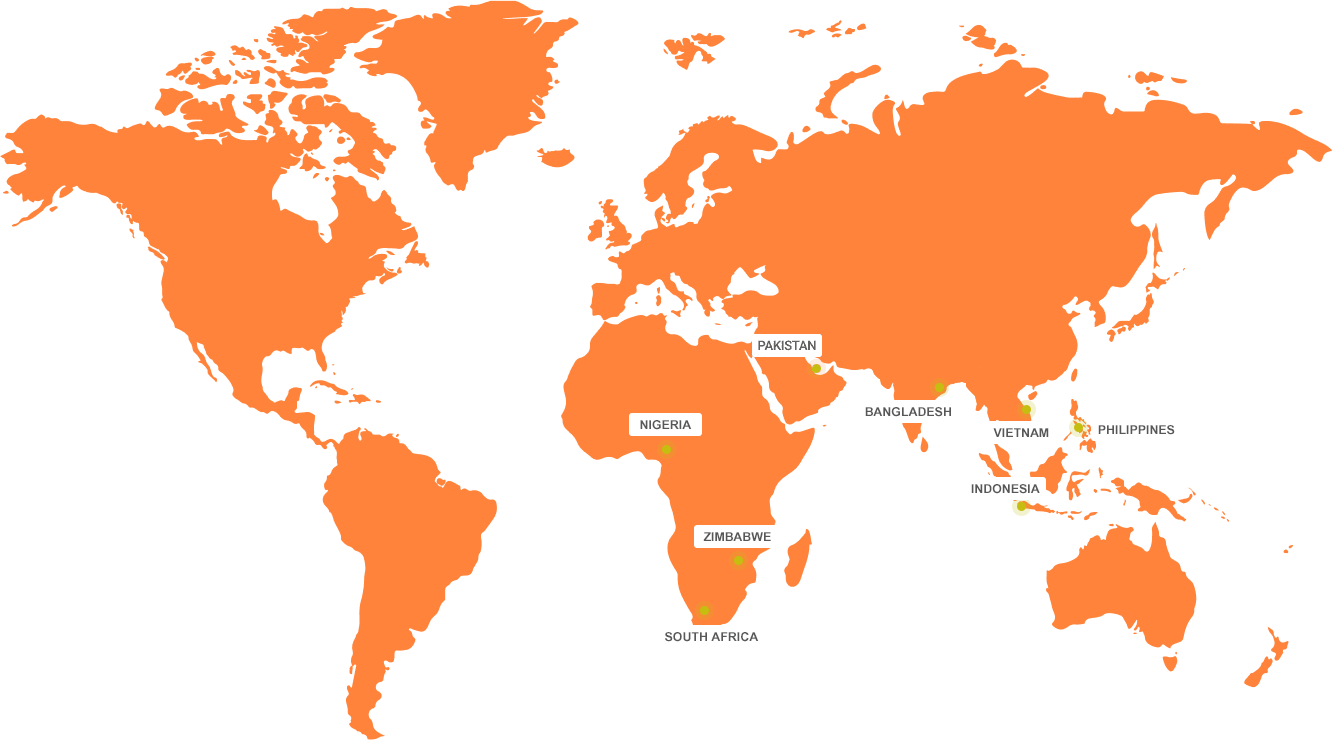
The Drivers Behind Our Impact
The Drivers Behind Our Impact
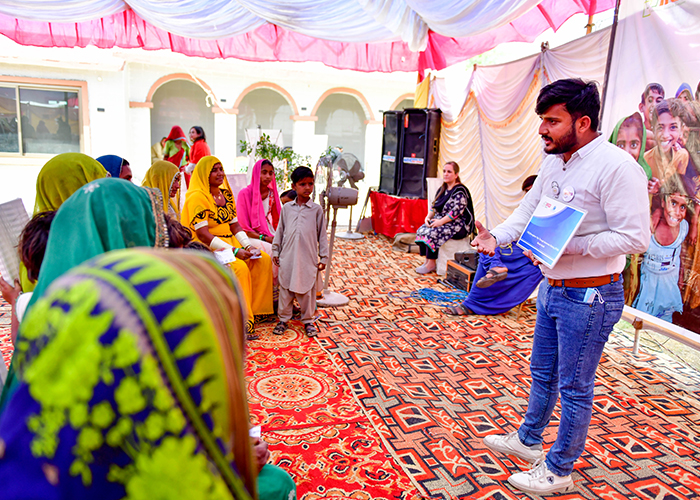
Integrated Care Models
Addressing TB, chronic respiratory diseases, and mental health together enables more comprehensive and patient-centered care.
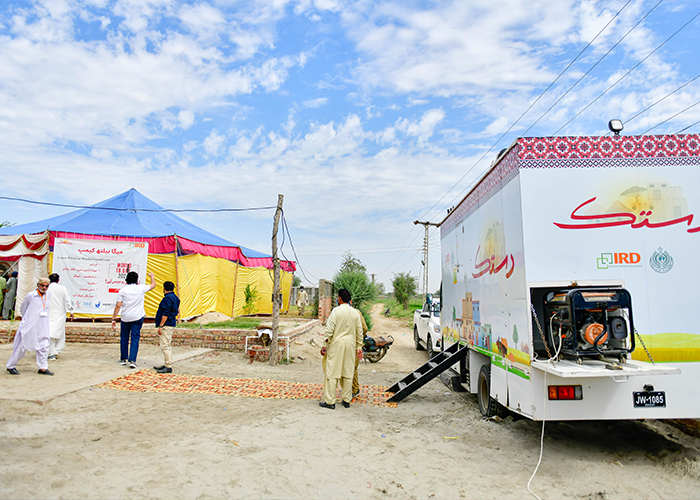
Community Leadership
Community Action Groups and local stakeholders play a critical role in awareness generation, outreach, and service uptake.
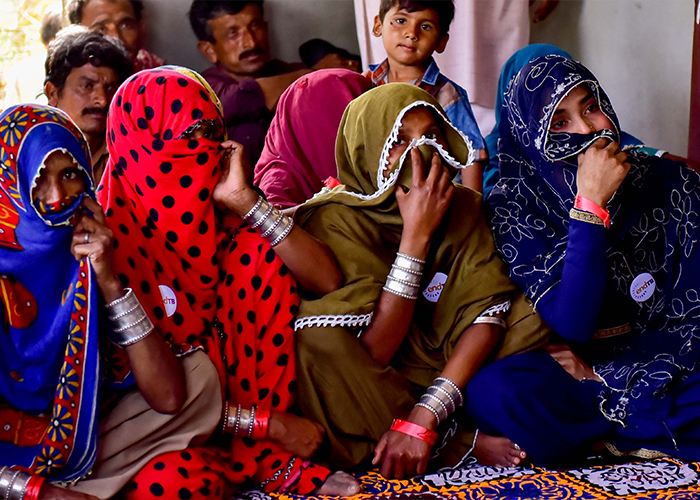
Gender-Responsive Approaches
Services are designed to address barriers faced by women and vulnerable populations, promoting equitable access to care.
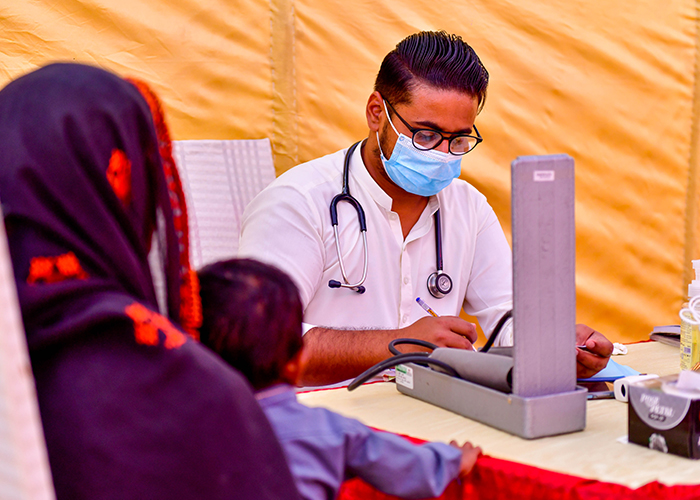
Innovation and Technology
AI-enabled screening, molecular diagnostics, and telehealth services help expand access to high-quality healthcare in remote settings.
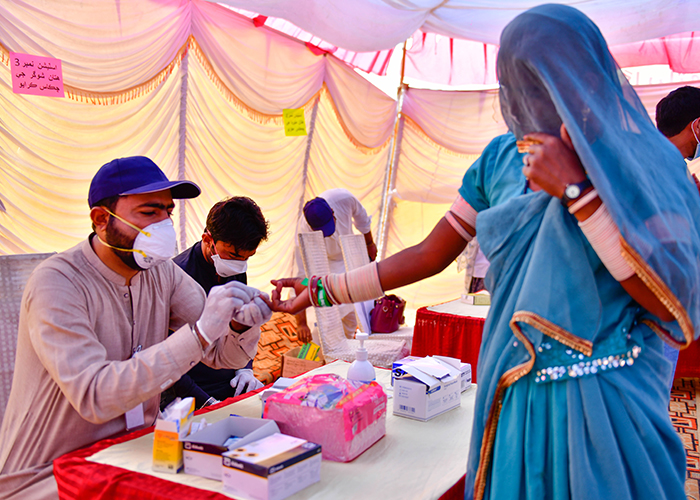
Health System Strengthening
Training healthcare workers and strengthening primary healthcare facilities improves the long-term capacity of local health systems.
Evidence for Scale
Implementation research and operational learning generate evidence that can inform future policy and program expansion across Pakistan and beyond.