 Work for IRD
 Contact us


Overview
The MINE-TB Project (Mine-TB: Intensified TB Case Finding in Labour Sending Areas to Mines in South Africa) was implemented in Ugu and eThekwini Districts of KwaZulu-Natal (KZN) between 2014 and 2015.
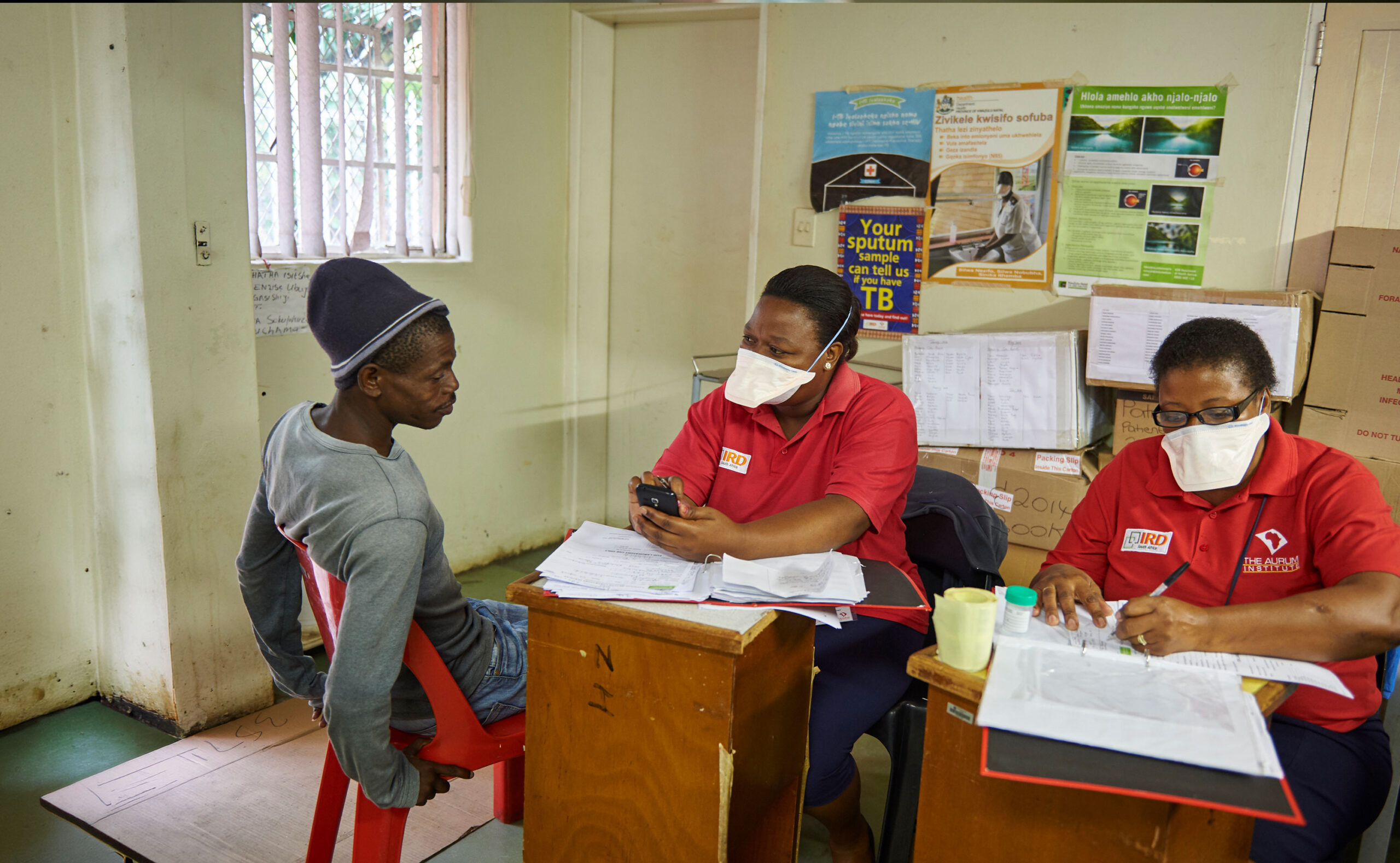
The project aimed to improve TB case detection among miners, ex-miners, their families, and surrounding high-burden communities through two complementary strategies: Systematic facility-based screening of all patients accessing Department of Health (DoH) clinics and hospitals and Community-based active case finding in hard-to-reach rural and peri-urban populations
MINE-TB introduced digital screening tools, sputum instruction videos in local languages, and performance-based incentives to strengthen the TB diagnostic cascade and improve linkage to care The project operated in Ugu and eThekwini Districts in KwaZulu-Natal Province, South Africa, targeting miners, ex-miners, their families, and surrounding communities in labour-sending regions. The digital tools and screening model are now being adapted across 10 Southern African countries under the TB in the Mining Sector (TIMS) regional initiative.

141,895
individuals screened for TB

54,722
presumptive TB patients identified

43,401
sputum samples collected

2,449
TB cases detected
Our Partners
- South African National Department of Health
- KwaZulu-Natal Department of Health
- National Health Laboratory Service (NHLS)
- Aurum Institute
- TB REACH
- TIMS (TB in the Mining Sector, Southern Africa)
The Need
The Need
KwaZulu-Natal
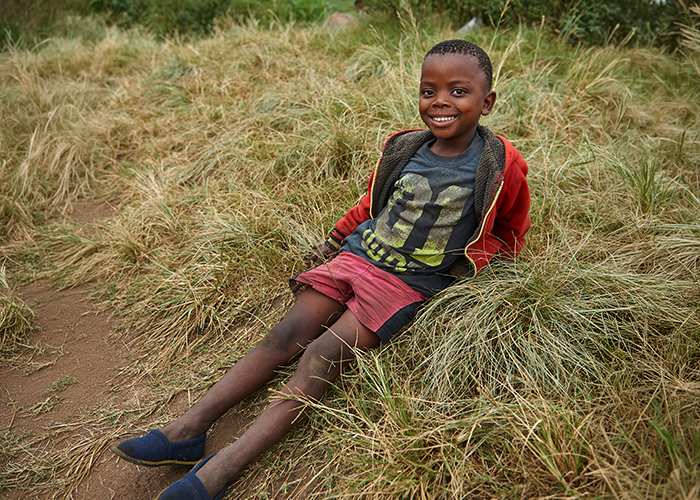
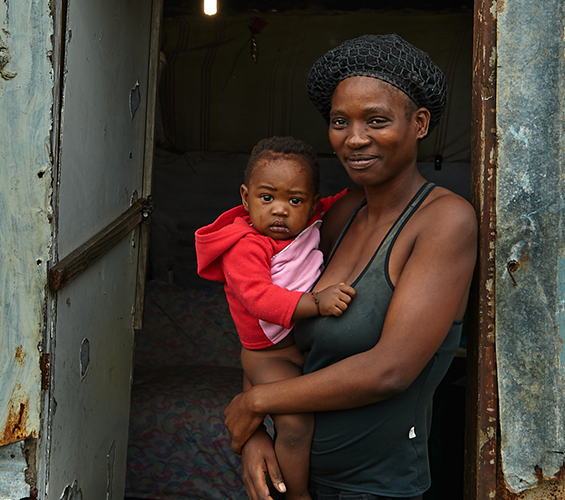
KwaZulu-Natal has one of the highest TB and HIV co-infection burdens globally. Labour-sending communities to mines face elevated TB risk due to:
- High HIV prevalence
- Occupational exposure and migration patterns
- Limited routine screening in facilities
- Delays in diagnosis and treatment initiation
- Weak data systems relying on paper registers
Prior to MINE-TB
- Systematic screening of all clinic attendees was not consistently practiced
- Sputum submission rates were not routinely measured
- Data reporting was delayed and fragmented
- Many patients were not notified of negative or missing results
- Community-level screening in remote areas was limited
MINE-TB was designed to strengthen the full continuum of care — from screening to testing, diagnosis, and treatment initiation.
Our Approach: Delivery
1. Facility-Based Systematic Screening
Health screeners were deployed across 32 Department of Health facilities, including district hospitals, community healthcare centres, and primary healthcare clinics
MINE-TB_GANR_Final
Every walk-in patient was screened using:
- A custom-built Android mHealth app, adapted from the National TB Screening Tool
- A multilingual sputum instruction video (English, isiZulu, isiXhosa, Sesotho, Setswana) to improve sputum quality
Results (Facility Arm):
Testing expanded across:
- 128,143 individuals screened
- 49,154 presumptive TB patients identified
- 34,011 sputum samples collected
- 2,188 TB cases detected
- 94% initiated on treatment
2. Community-Based Active Case Finding
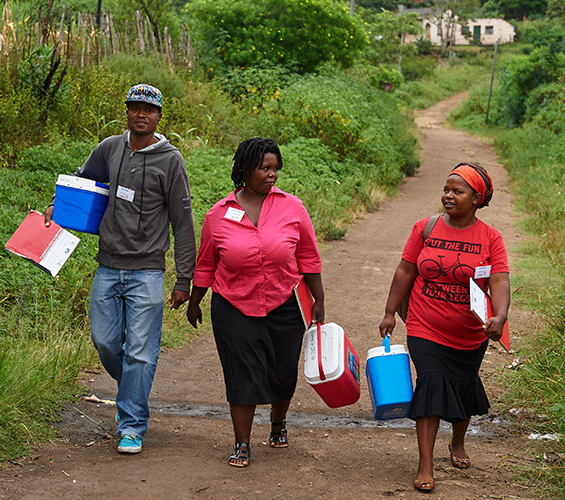
The project trained community laypersons as:
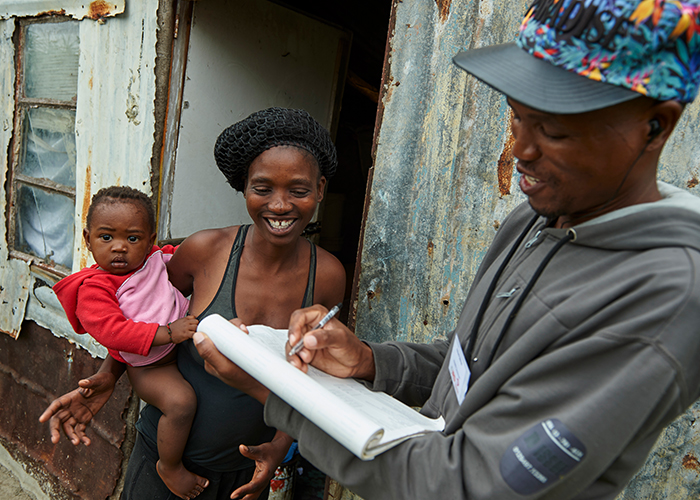
- Screener Agents (door-to-door screening and sputum collection)
- Hub Agents (clinic-based coordination and data entry)
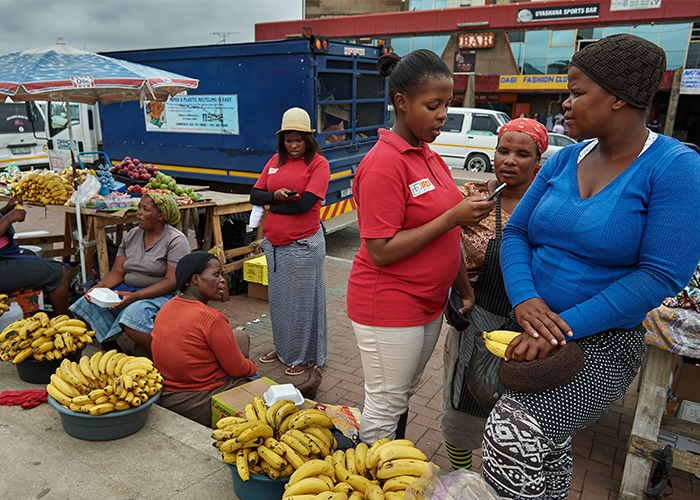
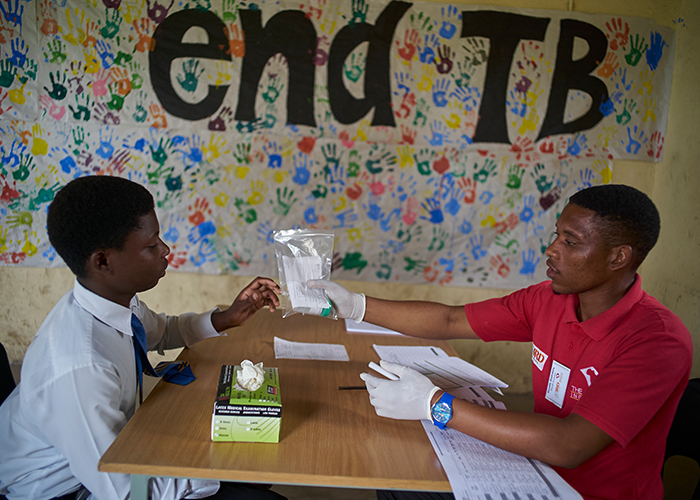
Community screeners mapped high-risk areas, identified hotspots, conducted outreach at farms, factories, schools, informal settlements, and transport hubs, and collected sputum samples on the spot.
Results (Community Arm):
- 13,732 individuals screened
- 5,568 presumptive TB patients identified
- 5,422 sputum samples collected
- 261 TB cases detected
- 91% initiated on treatment
3. Digital Innovation for Real-Time Monitoring
The MINE-TB mobile application:
- Captured screening data in real time
- Tracked sputum submission and laboratory results
- Monitored time between screening, diagnosis, and treatment initiation
- Generated weekly performance reports for screeners and clinics
By Q4 2015, missing lab result reporting dropped from 10% to 3% in participating facilities through active digital tracking and follow-up
The province described the screening app and sputum instruction videos as “game-changers” for TB program monitoring.
4. Strengthening the TB Continuum of Care
Beyond case detection, MINE-TB:
- Ensured all patients received test results (positive, negative, or error)
- Conducted phone follow-ups to encourage treatment initiation
- Supported tracing of patients who missed appointments
- Engaged families of TB patients for testing
- Assisted Department of Health tracer teams when under-resourced
This created a safety net that reduced delays and improved treatment initiation rates.
Our partners
PDI has a nationwide footprint, focusing on districts identified by the national STH survey— 47 at-risk districts requiring annual deworming.
The Drivers Behind Our Impact
The Drivers Behind Our Impact
Digital Health Innovation
Open-source mobile screening app enabling real-time monitoring and rapid program feedback.
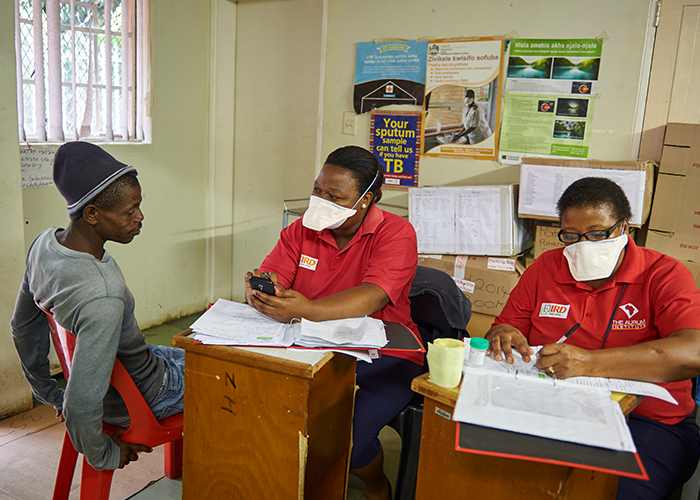
Systematic Screening at Scale
Front-of-facility screening integrated into routine outpatient workflows.
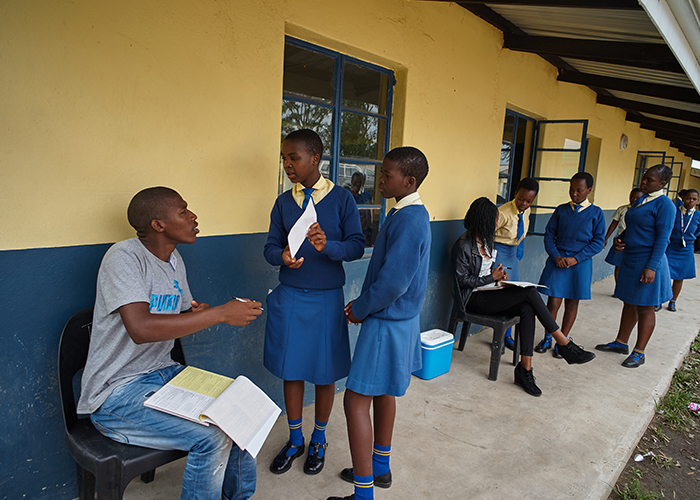
Community Empowerment
Lay screeners trained to map risk areas and lead TB detection in their own communities.
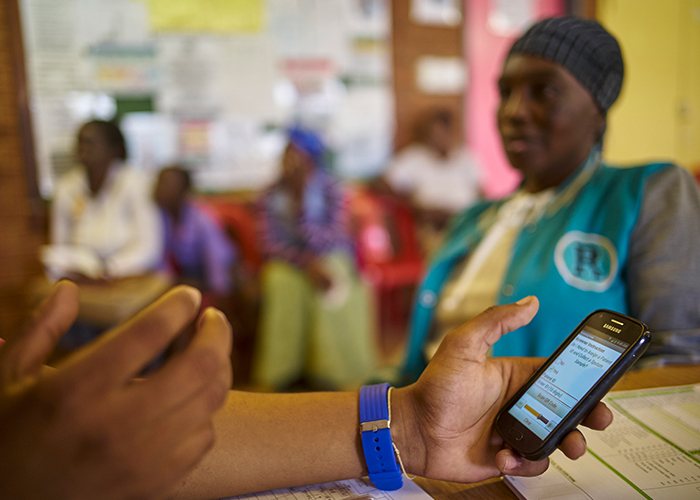
Strengthened Data Quality
First-time measurement of sputum submission rates and laboratory result tracking at district level.
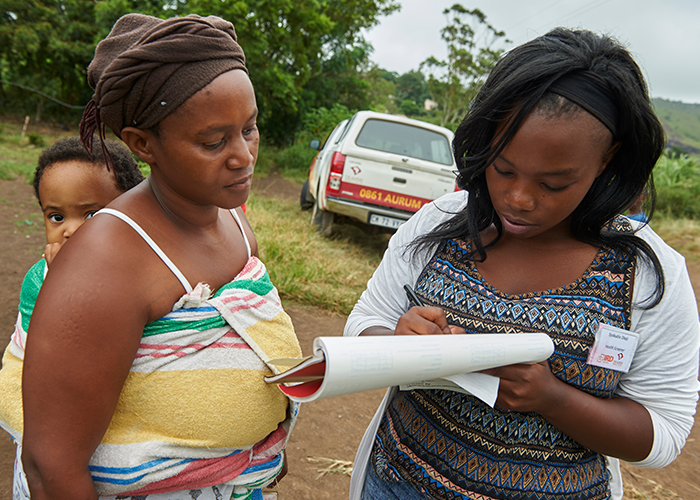
Early Diagnosis & Rapid Treatment
High treatment initiation rates (94%) through active patient follow-up.
Regional Scalability
Adaptation of the MINE-TB app and screening model across Southern Africa under TIMS.