 Work for IRD
 Contact us


Overview
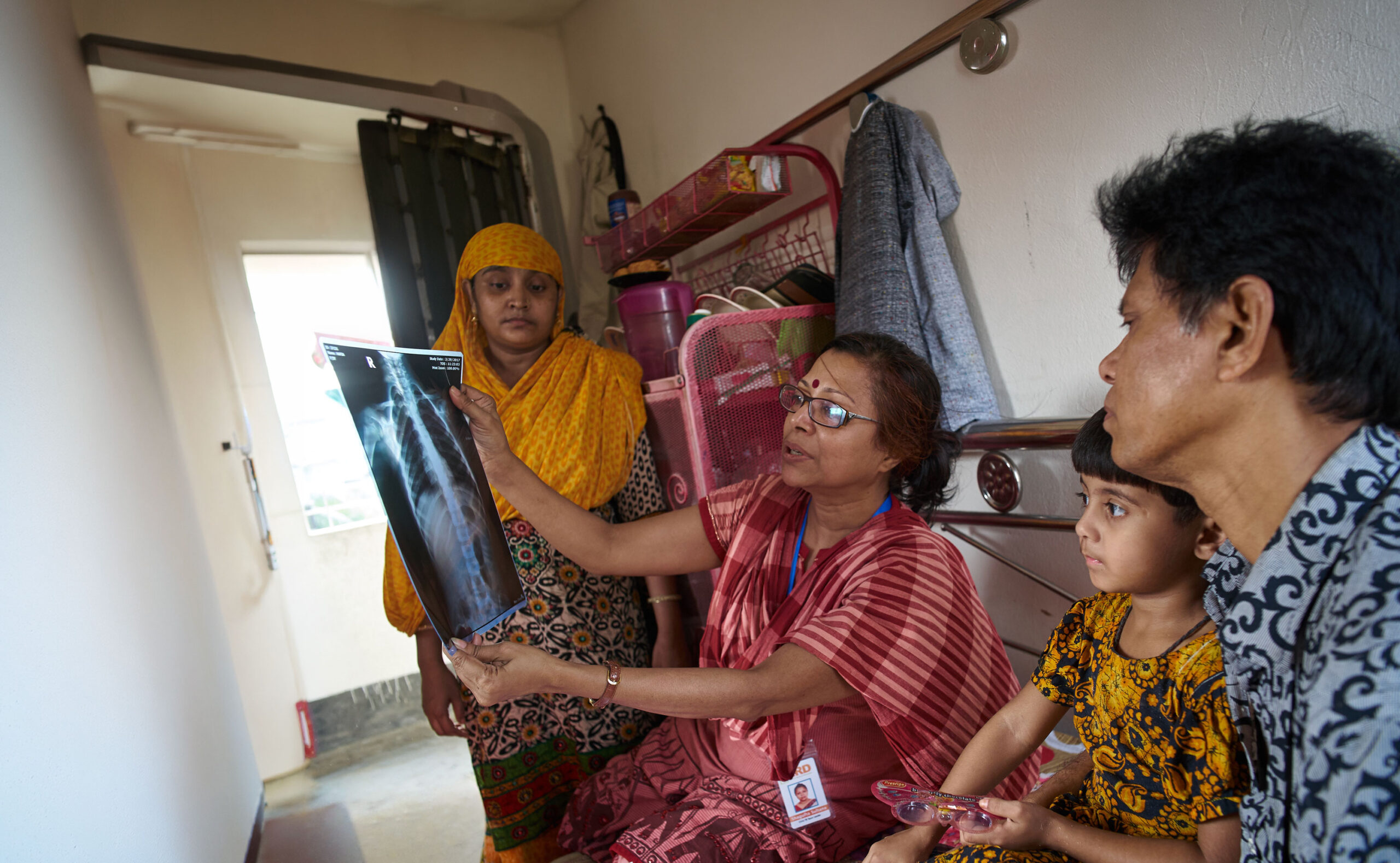
This project aimed to improve the early detection, diagnosis, and treatment of childhood tuberculosis (TB) in Bangladesh, while expanding access to TB preventive treatment (TPT) for household contacts.
Implemented in the Mymensingh Division under the Stop TB Partnership’s TB REACH Wave 6 initiative, the project adopted a public–private partnership model to strengthen linkages between public health facilities, private providers, and communities.
By integrating facility-based screening, private sector engagement, and community outreach, the project established a comprehensive childhood TB care network to address gaps in detection and prevention. The project was implemented across the Mymensingh Division, Bangladesh, covering 34 sub-district public hospitals, 4 tertiary hospitals, 37 private clinics, and 195 private provider locations. A total of 568 private providers were engaged to support childhood TB detection and management.

1,067,484
children screened for TB

3,413
household contacts started preventive treatment

2,740
children diagnosed with TB

98%
treatment success rate
The Need
The Need
Childhood TB
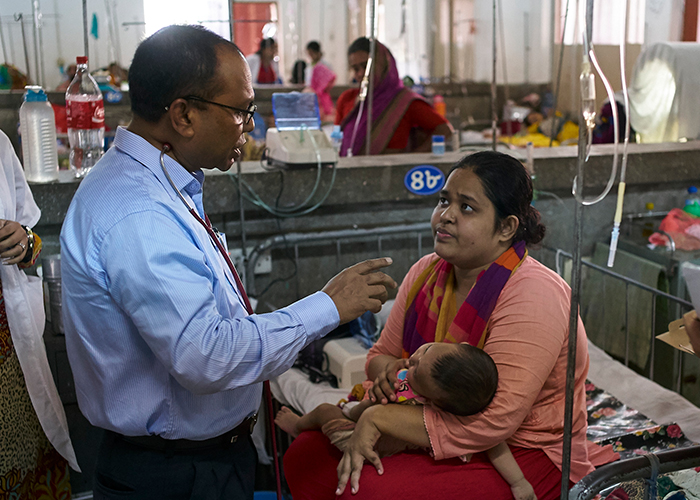
Childhood TB remains significantly underdiagnosed due to non-specific symptoms, diagnostic challenges, and limited engagement of private healthcare providers.
In Bangladesh, many children first seek care in the private sector, where linkages with the National Tuberculosis Program have historically been limited. These gaps contribute to missed diagnoses and delayed treatment, particularly among vulnerable populations.
Our Approach
Active Case Finding and Screening
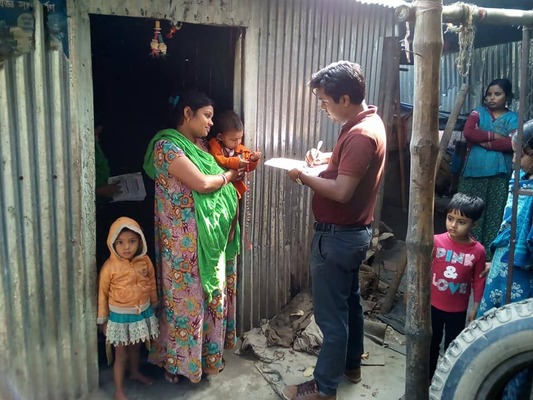
A multi-layered active case finding (ACF) model was implemented:
- Facility-based screening across public hospitals, tertiary facilities, and private clinics
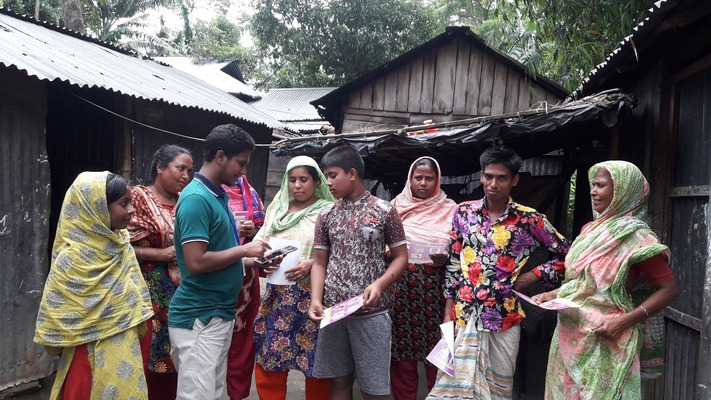
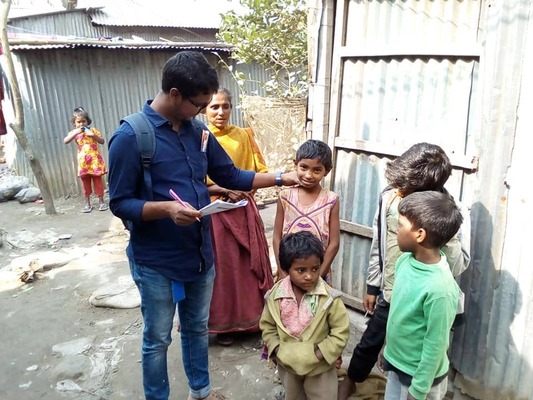
- Community-based screening and referral through trained volunteers
- Screening in private provider settings, including waiting areas
- Reverse contact investigation to identify children in TB-affected households
Public–Private Engagement
- Mapping and engagement of private providers
- Establishment of referral linkages between private and public sectors
- Integration of private providers into childhood TB detection and management pathways
Clinical and Diagnostic Strengthening
- Training pediatricians on childhood TB diagnosis and specimen collection (gastric lavage and induced sputum)
- Establishment of a specialized child TB center with outpatient specimen collection and in-house GeneXpert testing
- Multidisciplinary medical boards to support complex case diagnosis and management
Preventive Treatment Expansion
- Introduction and scale-up of TB preventive treatment (3HP regimen) for household contacts
- Integration of contact investigation into routine programmatic care
Our partners
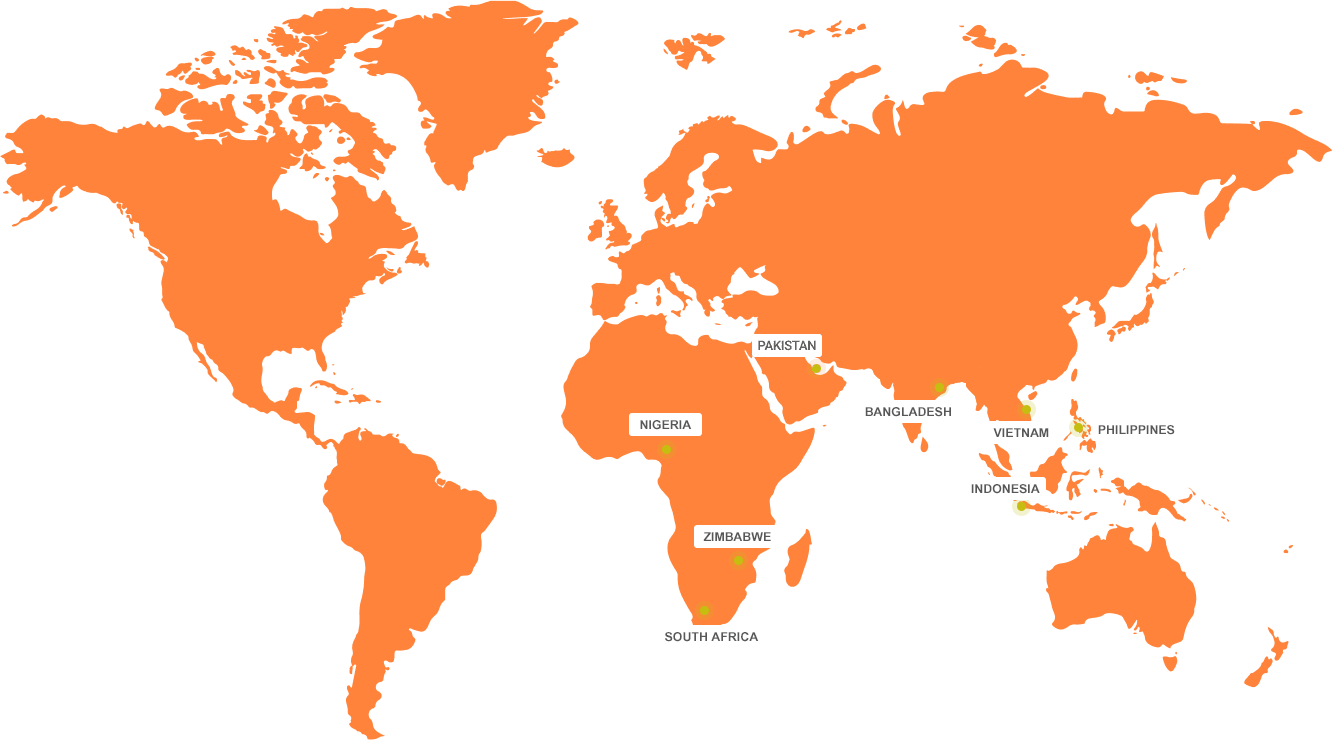
PDI has a nationwide footprint, focusing on districts identified by the national STH survey— 47 at-risk districts requiring annual deworming.
The Drivers Behind Our Impact
The Drivers Behind Our Impact
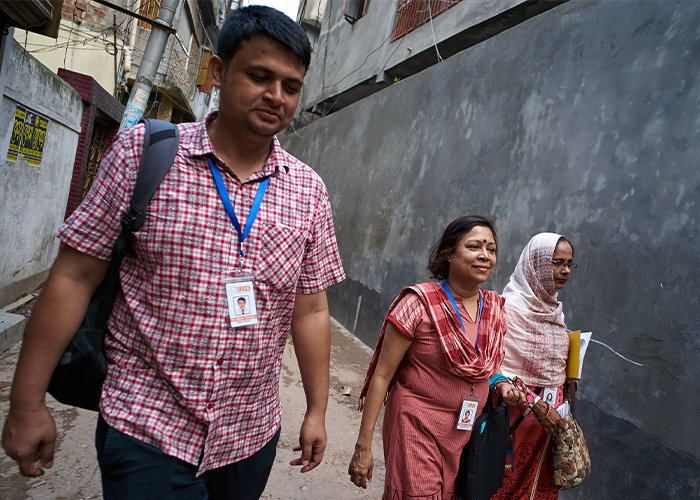
Integrated public–private model
Strengthened coordination between sectors
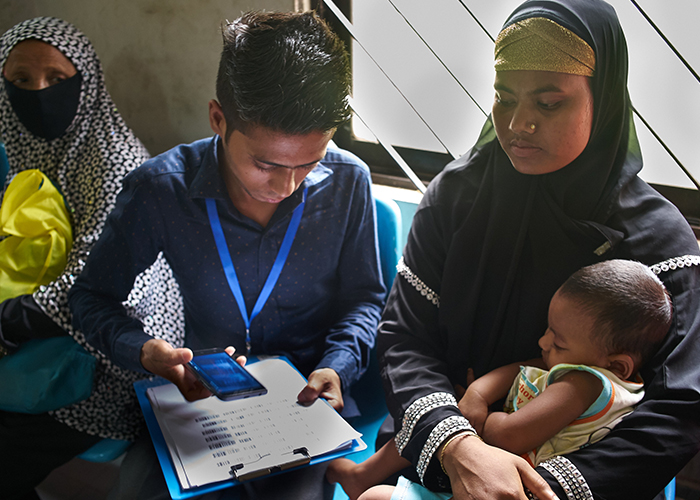
Active case finding
Enabled early identification of missed cases
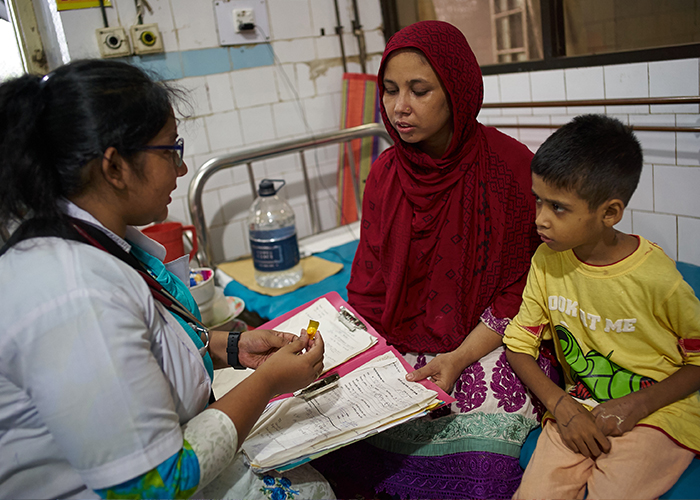
Reverse contact investigation
Improved detection among high-risk households
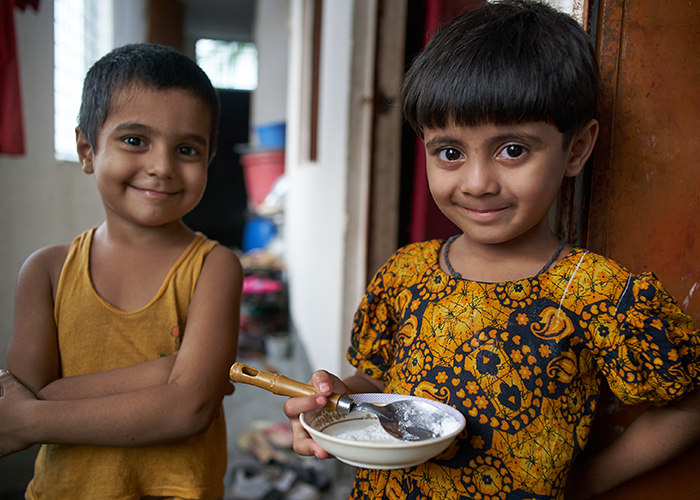
Diagnostic strengthening
Increased access to child-friendly and accurate testing
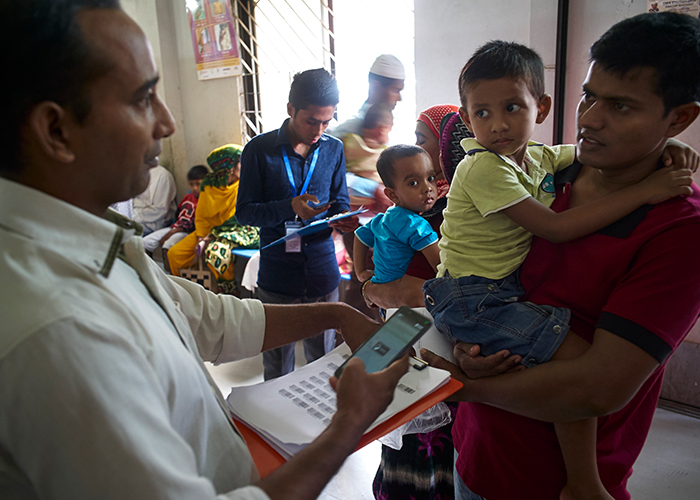
Preventive care integration
Expanded access to TPT for household contacts