 Work for IRD
 Contact us


Overview
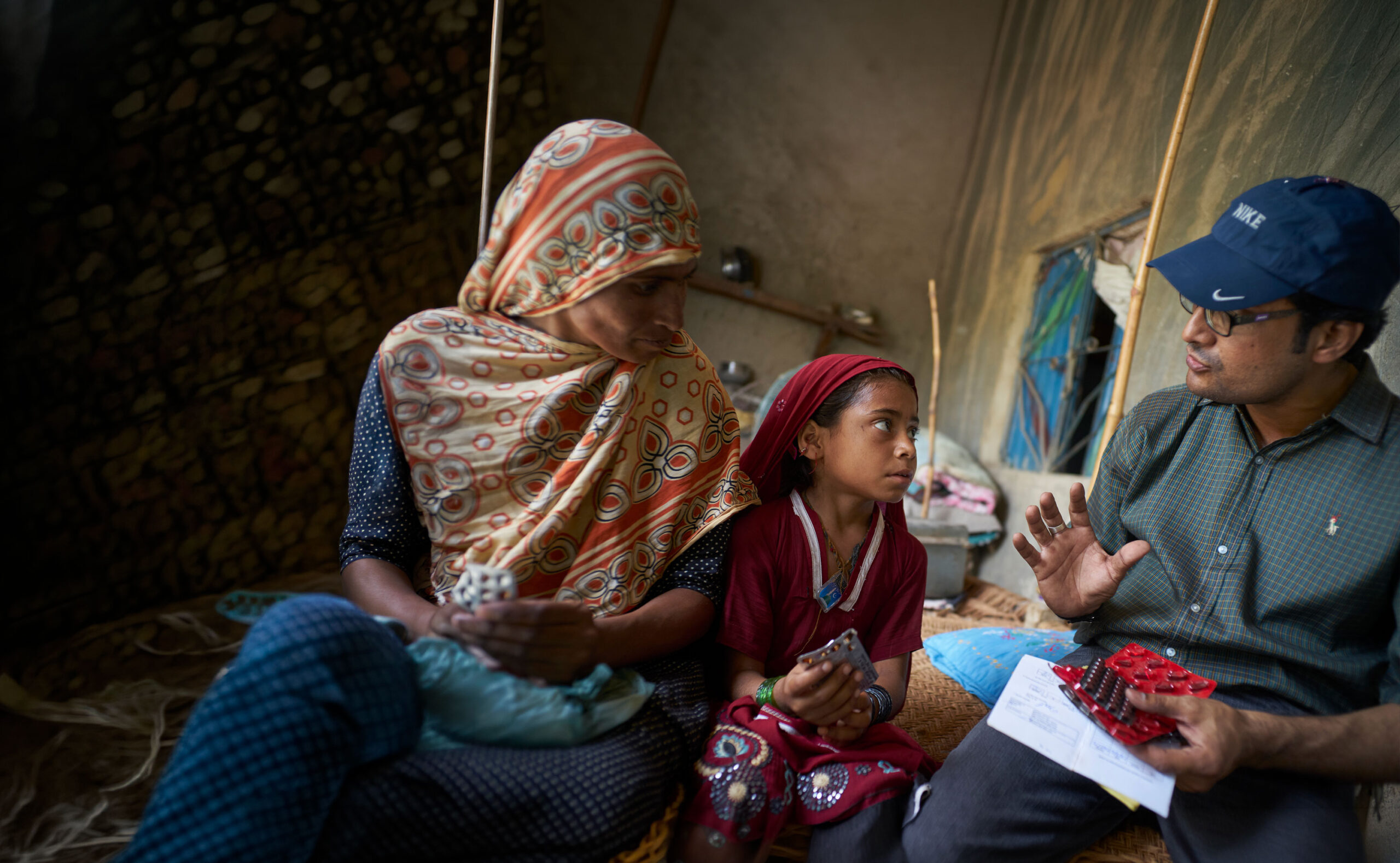
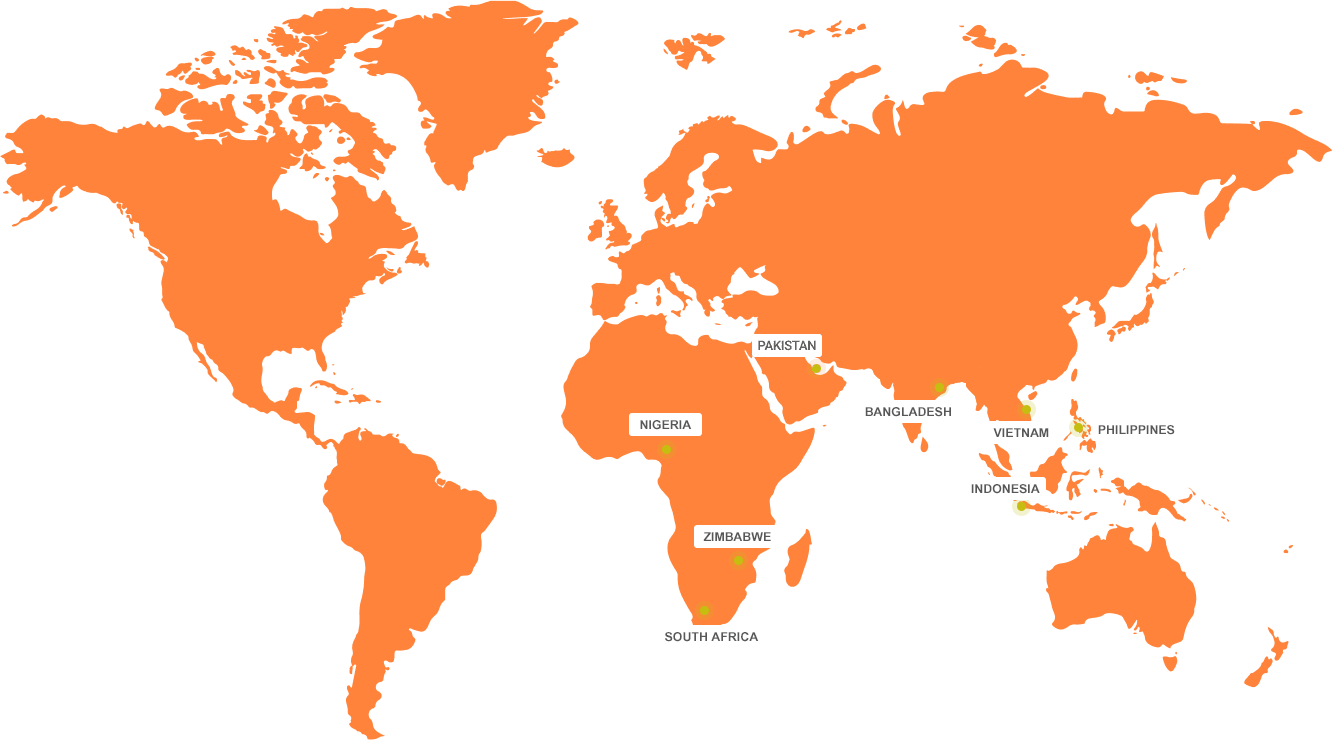
The Accelerating Regimens and Care for Drug-Resistant TB (arcTB) Project is a global initiative funded by UNITAID and led by Partners In Health (PIH), with consortium partners including IRD, Médecins Sans Frontières (MSF), and Stellenbosch University. In Pakistan, IRD is implementing the project at selected drug-resistant TB (DR-TB) sites in rural Sindh.
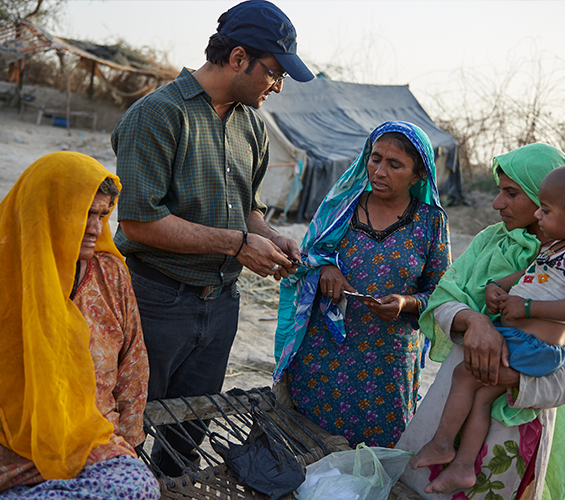
The project aims to strengthen the entire DR-TB care cascade by improving community-based case finding and contact management, supporting the transition to newer and shorter WHO-recommended treatment regimens, and expanding laboratory capacity for drug-resistance testing. Through innovative service delivery models and stronger health system integration, arcTB seeks to ensure that people affected by DR-TB receive timely diagnosis and patient-centered treatment. The project is being implemented at selected DR-TB treatment sites across rural Sindh, Pakistan. To date, approximately 250 individuals have been screened through community-based case-finding and contact screening activities.

42,000+
Individuals screened for TB through chest X-ray

13,500+
Individuals screened for HCV using RDT

5,500+
Individuals screened for common mental health conditions

450+
TB patients diagnosed and linked to treatment

650+
HCV patients diagnosed and linked to treatment

150+
Individuals enrolled for mental health support

250+
Patients initiated on treatment via Mobile Health Van
Our Partners
The arcTB project is implemented through a global consortium comprising:
- UNITAID (Donor)
- Partners In Health (Lead Grantee)
- Interactive Research and Development (IRD)
- Médecins Sans Frontières (MSF)
- Stellenbosch University
The project also works closely with provincial health departments, TB control programs, healthcare facilities, and local communities to ensure sustainable impact.
The Need
The Need
Drug-resistant tuberculosis remains
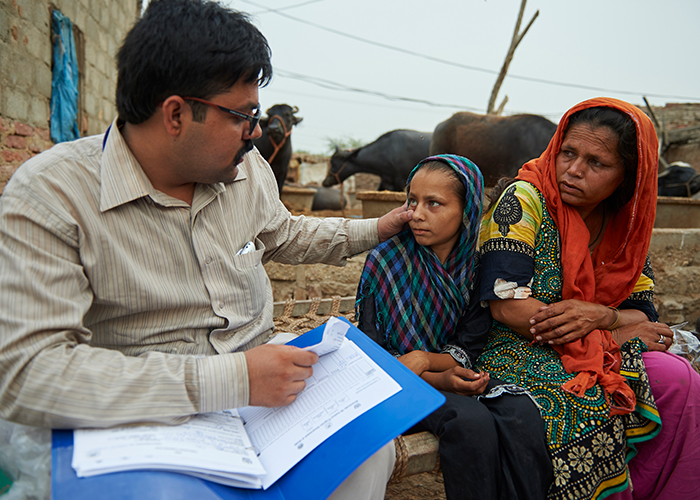
Drug-resistant tuberculosis remains one of the most challenging public health threats in Pakistan. Many patients experience delays in diagnosis, limited access to advanced testing, and lengthy treatment journeys that can affect adherence and outcomes.
Rural communities face additional barriers
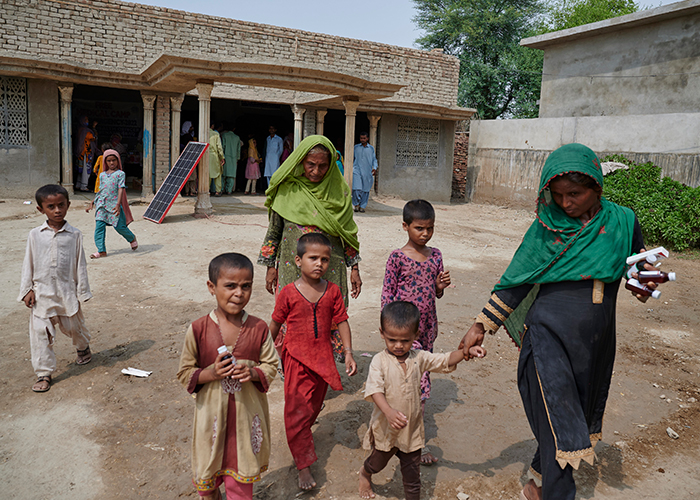
Rural communities face additional barriers, including limited access to specialized services, transportation challenges, and gaps in contact tracing. Strengthening community-based screening, introducing shorter treatment regimens, and improving diagnostic capacity are essential to reducing transmission and improving survival.
The arcTB project addresses these challenges
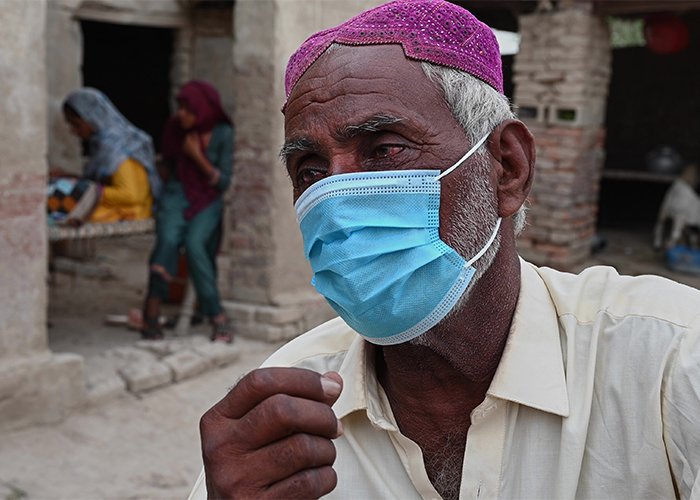
The arcTB project addresses these challenges by bringing services closer to communities while supporting health facilities to deliver more effective and patient-centered DR-TB care.
Our Approach
At IRD, we believe that defeating drug-resistant tuberculosis requires more than better medicines—it requires a patient-centered system that identifies cases early, connects people to care quickly, and supports them throughout treatment.
Through the arcTB project, we combine community-based screening, innovative diagnostic technologies, strengthened laboratory systems, and evidence-based treatment models to improve outcomes for people living with DR-TB.
Our approach focuses on:
Finding Cases Earlier
We bring screening closer to communities through active case finding, contact investigation, AI-enabled chest X-ray screening, and rapid molecular testing. This helps identify people with TB before the disease progresses or spreads further.
Accelerating Access to Effective Treatment
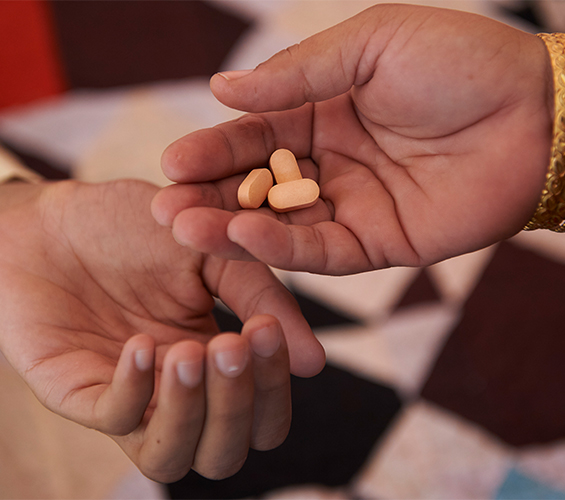
We support health facilities in transitioning to newer, shorter WHO-recommended DR-TB regimens that can reduce treatment burden and improve patient outcomes.
Strengthening Health Systems
By improving laboratory capacity, standardizing clinical protocols, and supporting healthcare providers with practical tools and training, we help build sustainable systems for DR-TB care.
Putting Patients at the Center
We promote flexible and community-based treatment follow-up models that reduce barriers to care and support treatment adherence.
Driving Change Through Collaboration
Working alongside government partners, healthcare facilities, researchers, and global technical experts, we help translate global innovations into locally relevant solutions.

Impact
Although implementation began later than anticipated due to regulatory approvals and funding transfer processes, the project has already achieved important milestones:
- Introduced newer, shorter MDR/RR-TB treatment regimens at participating sites
- Screened approximately 250 individuals through community-based case-finding and contact screening activities
- Identified and linked people with TB to treatment and care services
- Strengthened collaboration with provincial and local health authorities to support sustainable implementation
- Established systems and tools to improve treatment allocation and quality of care
As implementation expands, the project is expected to improve treatment outcomes, reduce patient burden, and accelerate access to life-saving DR-TB care.
Our partners
PDI has a nationwide footprint, focusing on districts identified by the national STH survey— 47 at-risk districts requiring annual deworming.
The Drivers Behind Our Impact
The Drivers Behind Our Impact
Community-Centered Service Delivery
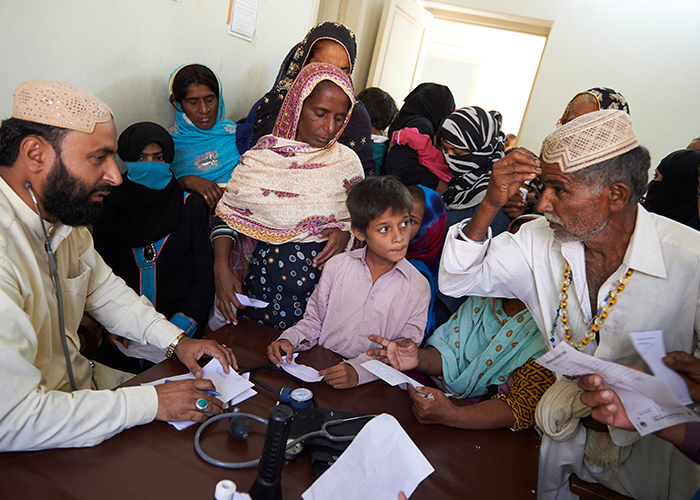
Bringing screening and follow-up services closer to communities helps identify patients earlier and reduces barriers to care.
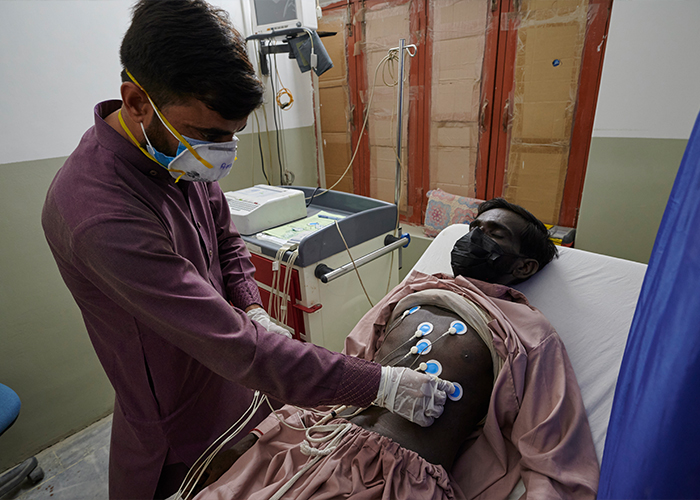
Innovation in Diagnosis
AI-enabled chest X-ray technology and rapid molecular testing improve case detection and support timely treatment initiation.
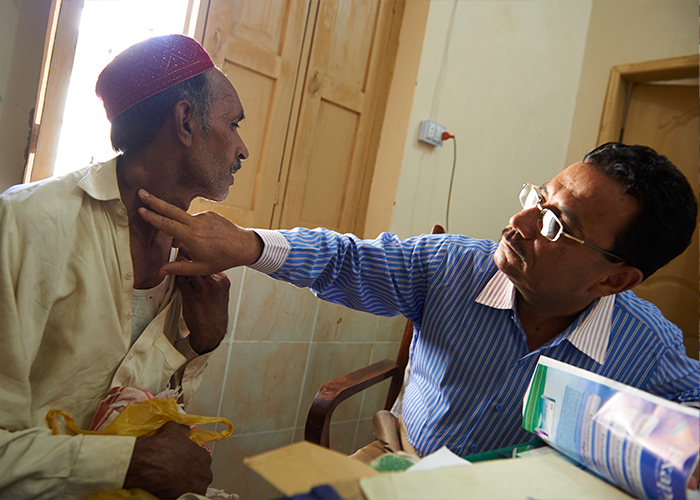
Patient-Centered Treatment Models
Flexible care pathways and shorter treatment regimens help improve treatment adherence and patient experience.
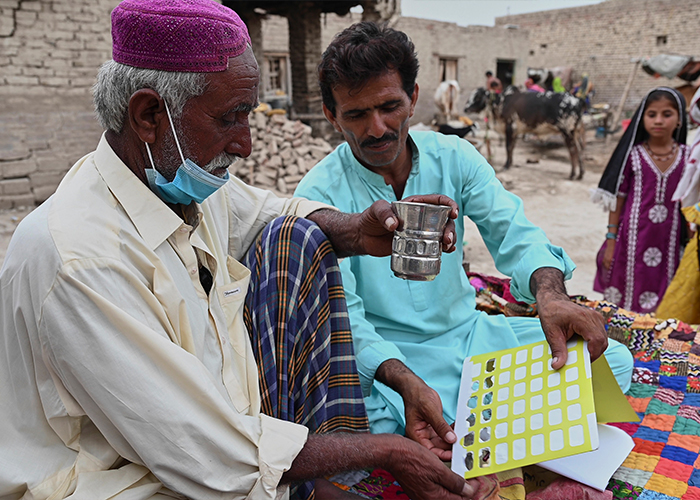
Strong Partnerships
Collaboration between international partners, government stakeholders, and local communities strengthens implementation and sustainability.
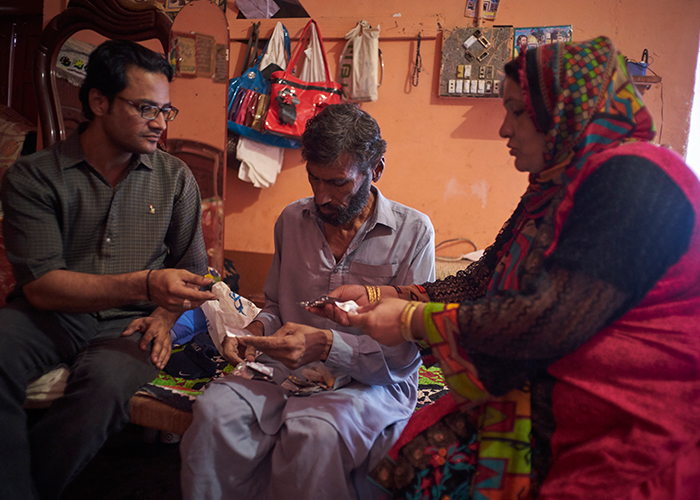
Health System Strengthening
By improving laboratory capacity, clinical protocols, and treatment allocation systems, the project contributes to long-term improvements in DR-TB care.