 Work for IRD
 Contact us


Overview
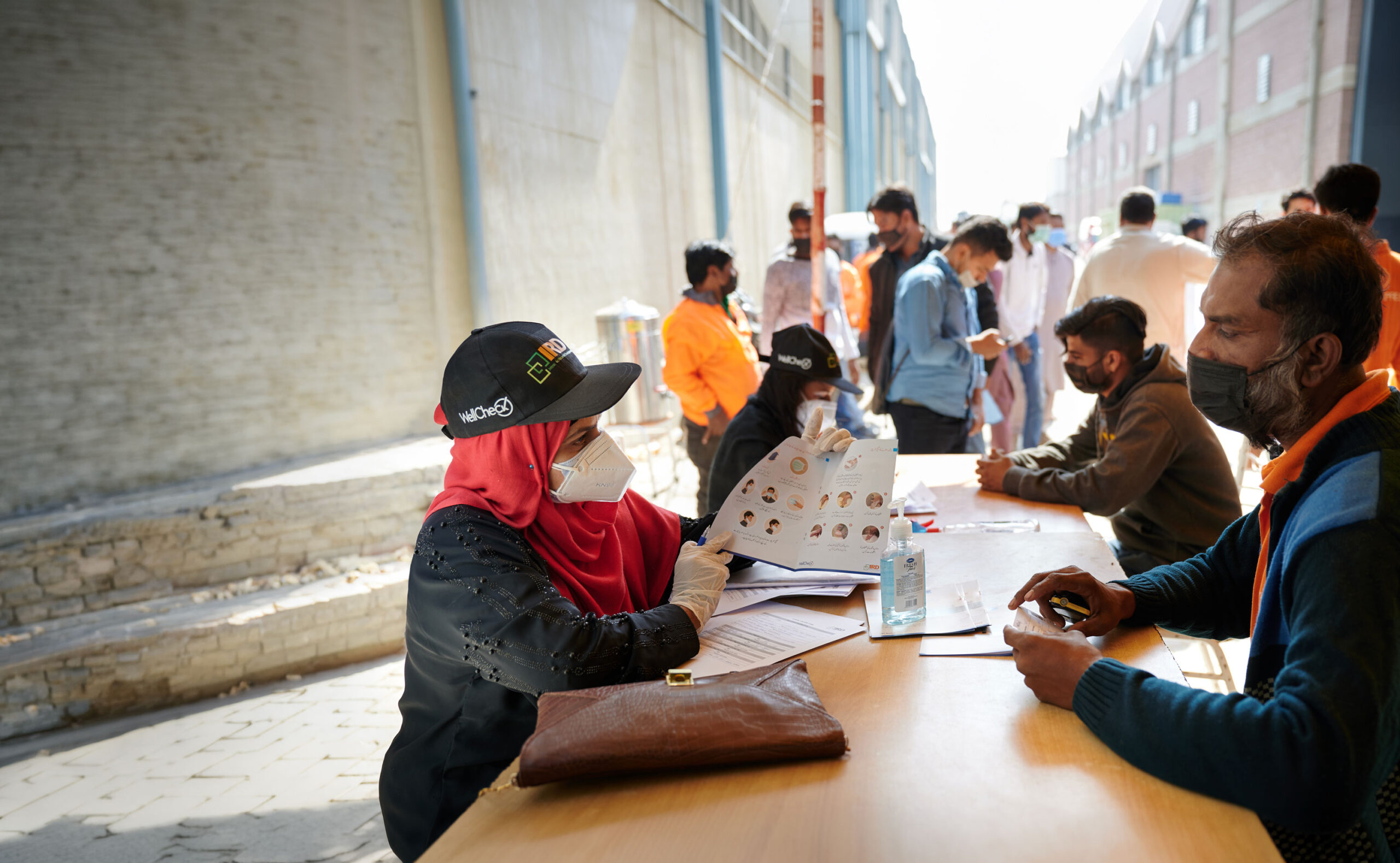
IRD implemented a large-scale COVID-19 surveillance and rapid antigen testing program across Karachi, targeting high-risk populations including high-mobility workers, school communities, and underserved urban areas.
The program combined community-based screening, workplace testing, and school-based surveillance to enable early detection of cases, reduce transmission, and support public health response efforts.
Through integrated data systems and real-time monitoring, the program informed targeted interventions and adaptive strategies during multiple COVID-19 surges. The program operated across all 7 districts of Karachi, including high-risk urban communities, workplaces, and schools.

136,000+
individuals screened

66,000+
school-based screenings conducted

46,000+
high-mobility workers tested

1.3%
overall positivity rate
Our Partners
- Government of Sindh
- District Health Authorities
- Private sector partners and corporate organizations
- Educational institutions
The Need
The Need
Urban populations
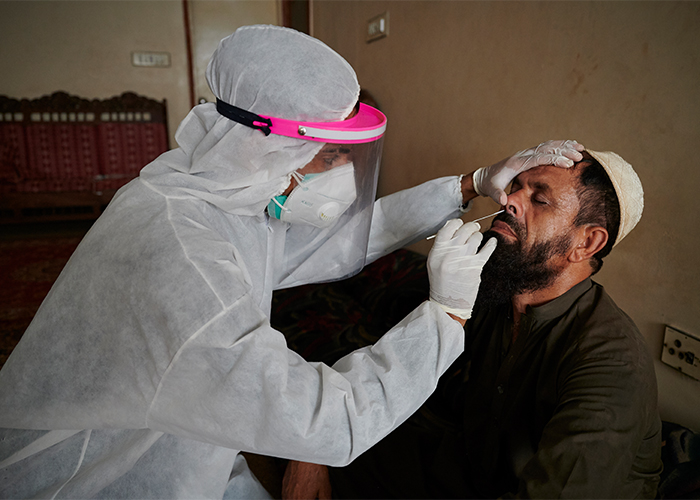
Urban populations, particularly high-mobility workers and school communities, face increased exposure to infectious diseases.
Limited access to timely testing, low risk perception, and gaps in surveillance systems hinder early detection and response—contributing to continued transmission.
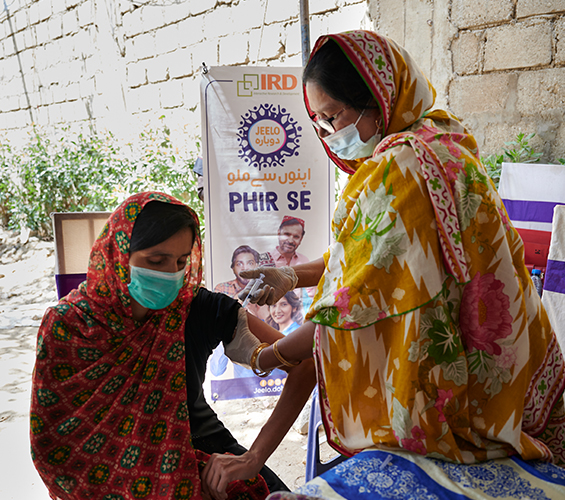
Our Approach: Research & Delivery
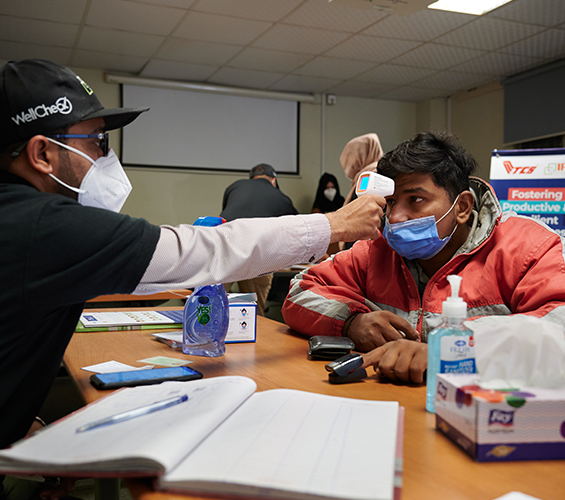
1. Targeted Surveillance
- Screening and testing of high-mobility workers across corporate and community settings
- School-based surveillance across public and private institutions
- Contact tracing and household-level testing
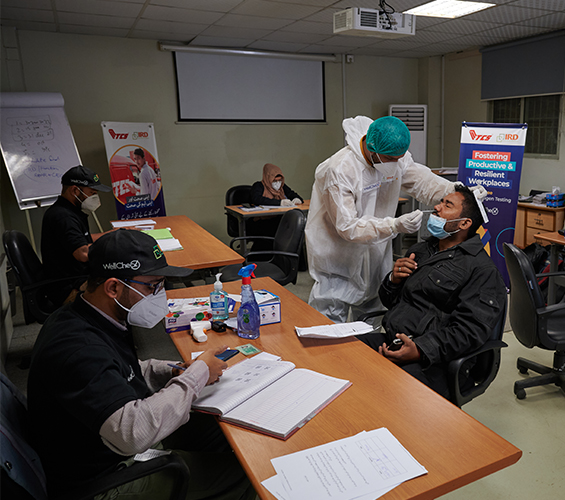
2. Rapid Testing & Response
- Deployment of rapid antigen diagnostic testing (RDTs)
- Identification of symptomatic and asymptomatic cases
- Isolation tracking and follow-up
3. Community Engagement & Behavior Change
- School engagement campaigns and awareness activities
- Social media and youth outreach initiatives
- Interactive community-based engagement (e.g., theatre, on-ground activities)
4. Data-Driven Decision Making
- Real-time monitoring of testing, positivity, and coverage trends
- Analysis across districts, demographics, and risk groups
- Integration of research studies on perceptions, costing, and program effectiveness
Our partners
PDI has a nationwide footprint, focusing on districts identified by the national STH survey— 47 at-risk districts requiring annual deworming.
Low-Cost Rapid Diagnostics
Low-Cost Rapid Diagnostics
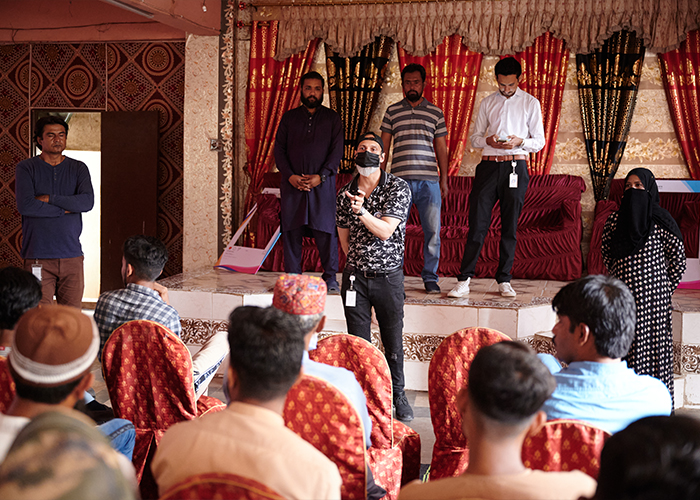
Targeted Risk-Based Approach
Focused on high-mobility populations and dense urban settings to maximize impact
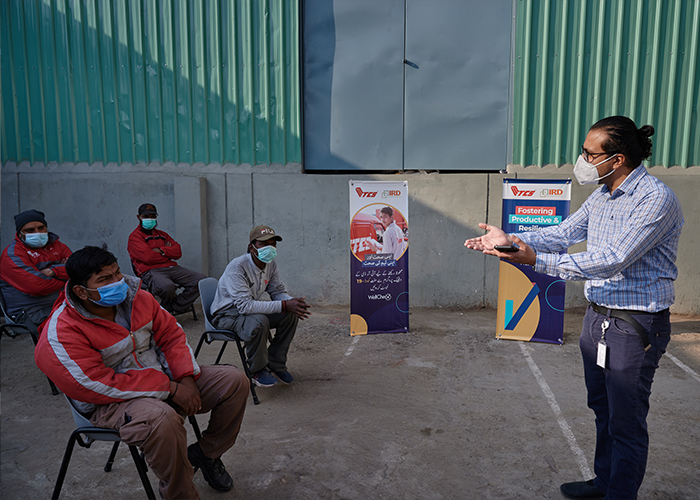
Integrated Surveillance Model
Combined workplace, community, and school-based testing
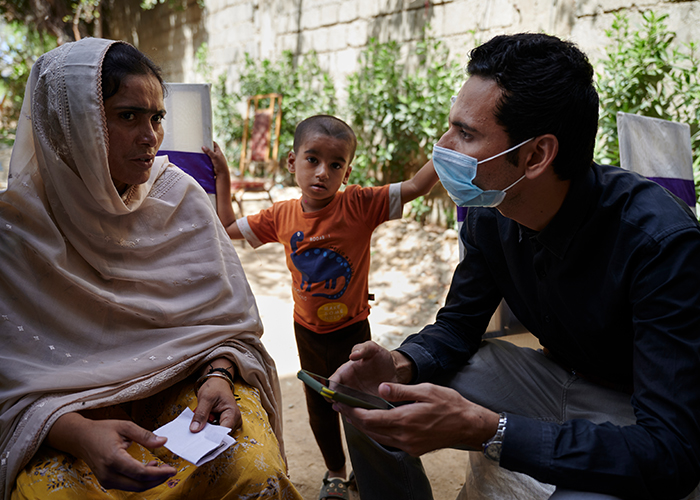
Data-Led Adaptation
Real-time insights enabled rapid response during COVID-19 surges
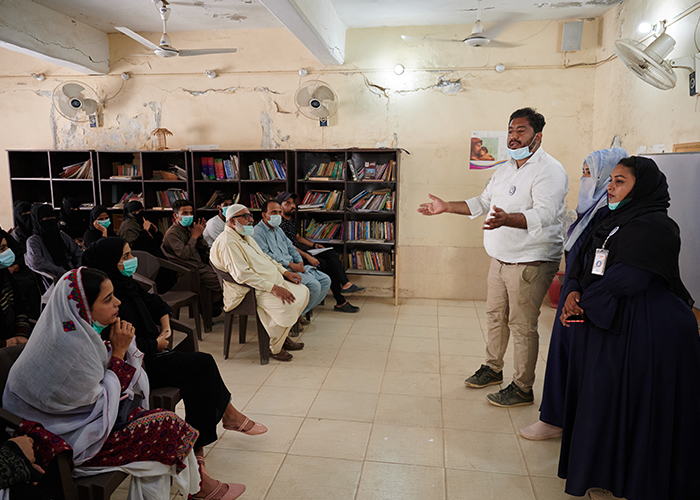
Community-Centered Engagement
Behavior change strategies improved testing uptake and awareness
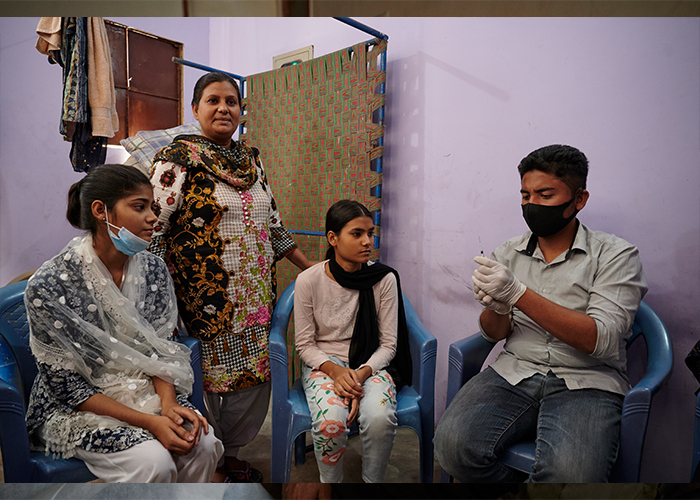
Scalable Urban Model
Demonstrated a replicable approach for infectious disease surveillance in megacities