 Work for IRD
 Contact us


Overview
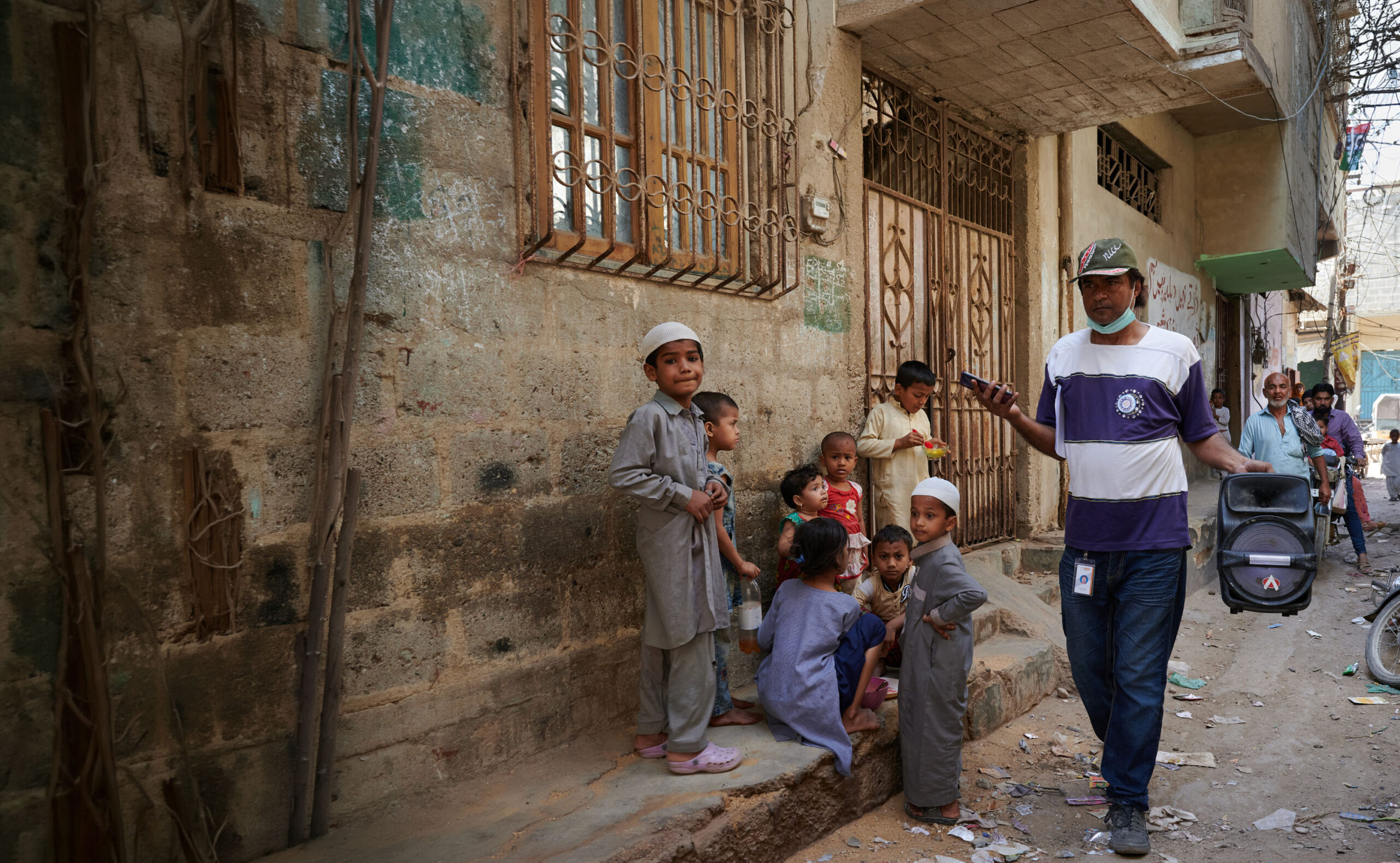
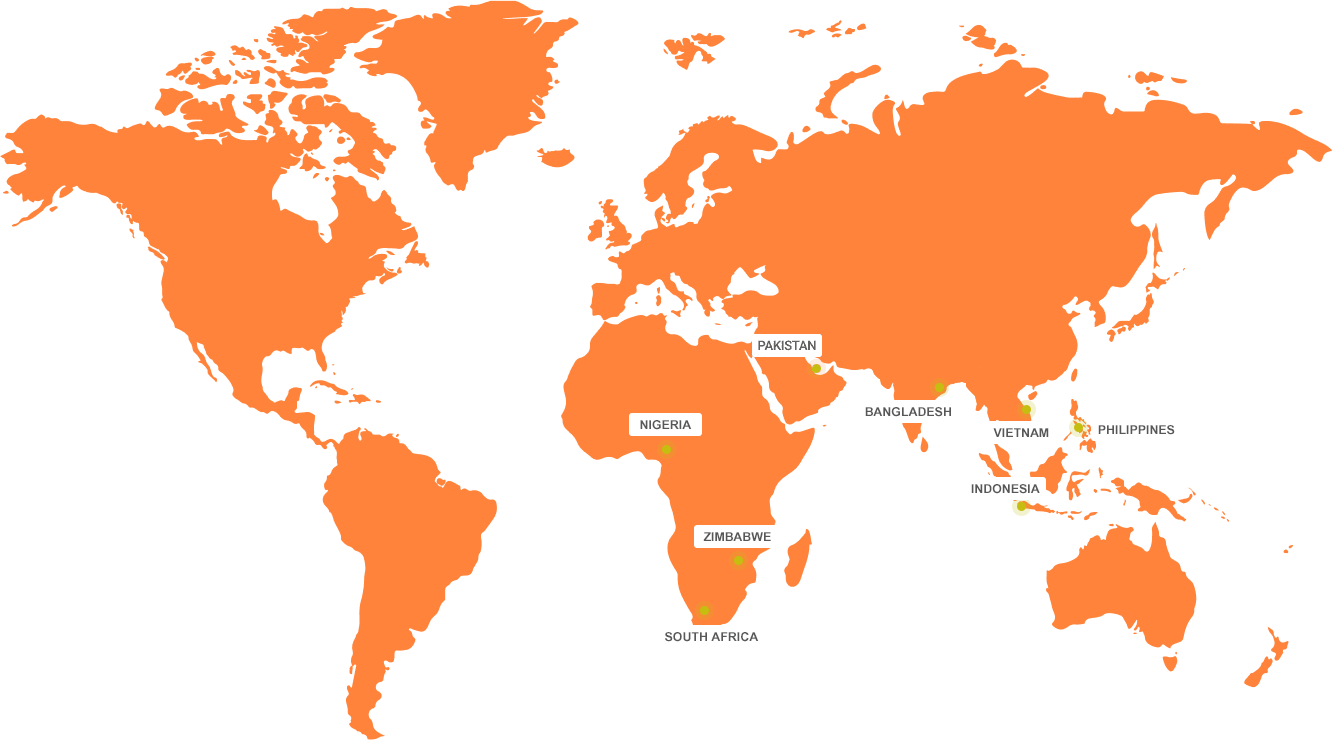
Jeelo Dobara (meaning “Live Life Again”) is a COVID-19 vaccine confidence initiative implemented in three high-risk districts of Karachi, Pakistan. The project used a community-led, hybrid approach to address vaccine hesitancy by combining community engagement, digital platforms, and vaccine outreach.
Grounded in formative research on community perceptions, experiences, and behaviours related to COVID-19 and vaccination, the project developed a tailored social and behaviour change communication strategy. This integrated approach enabled the project to address misinformation, build trust, and promote vaccine uptake through both online and on-ground channels. The project was implemented in three low-vaccine-uptake, high-risk districts in Karachi, Pakistan, combining community-based and digital engagement strategies to reach diverse population groups.

3,069
Community members reached through participatory sessions

1,425
Members engaged through online community groups

1,039
Individuals vaccinated through mobile camps

40
Grassroots Leaders mobilized for community outreach

30
Theatre performances conducted

5
Digital campaigns across multiple platforms
Our Partners
- Alliance for Advancing Health Online
- Global Impact
The Need
The Need
The COVID-19 pandemic has had a significant global and national impact
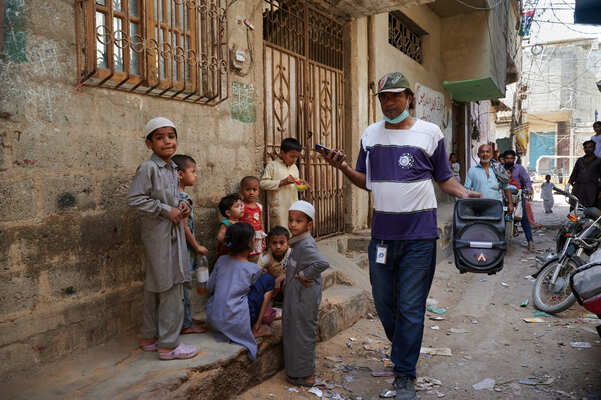
The COVID-19 pandemic has had a significant global and national impact, with over 6 million deaths worldwide and more than 30,000 deaths and 1.5 million confirmed cases in Pakistan.
While vaccines became available in Pakistan in late 2020, vaccine hesitancy persisted, driven in part by misinformation and low confidence in vaccines. Existing campaigns struggled to address the underlying social and behavioural drivers of vaccine uptake, highlighting the need for community-driven and context-specific approaches.
Our Approach
Community-Led Engagement
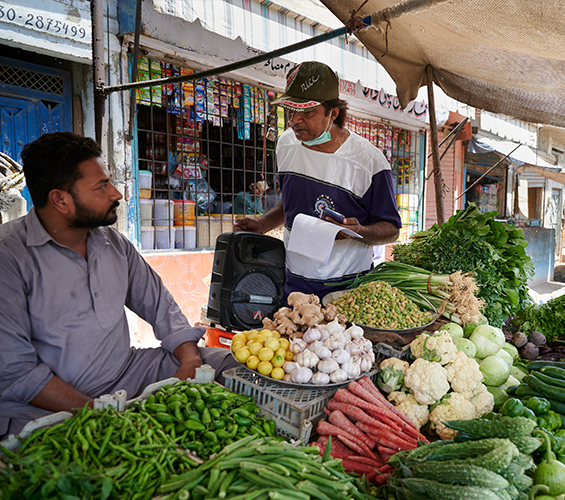
- 40 volunteer Grassroots Leaders (GRLs) mobilized
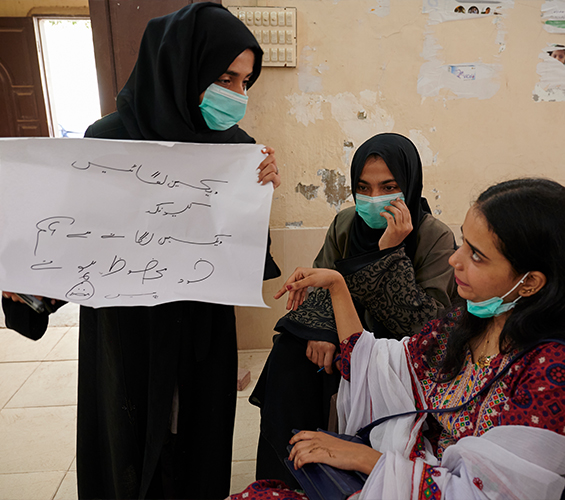
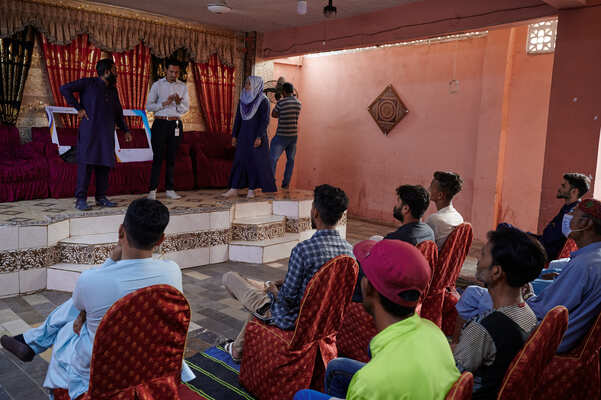
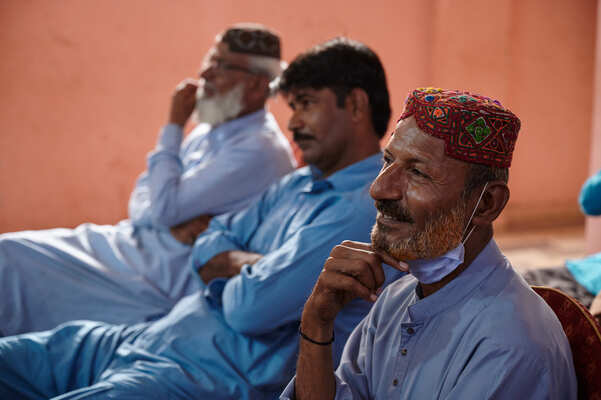
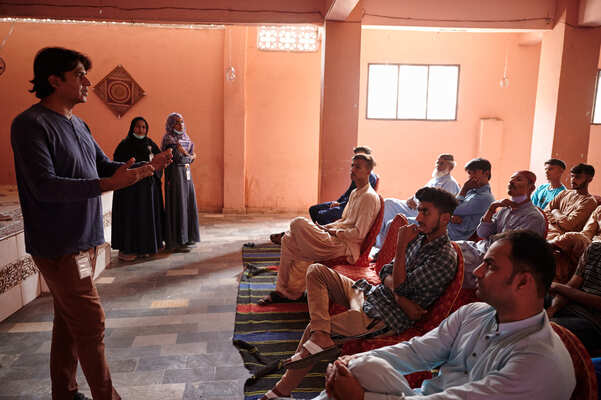
- 296 participatory information sessions conducted with 3,069 community members
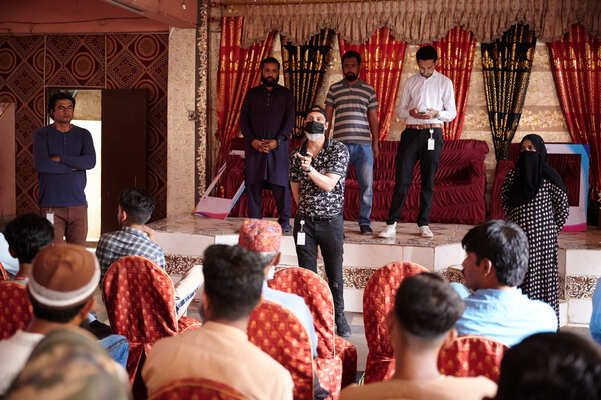
- 30 Theatre of the Oppressed performances conducted with 782 participants
Digital and Social Media Engagement
- 6 community-led online groups formed (Facebook and WhatsApp) with 1,425 members
- 5 digital campaigns implemented across 6 platforms (Facebook, WhatsApp, Twitter, Instagram, TikTok, Snack Video)
- 30 micro and macro influencers engaged
- 15 below-the-line activations conducted with 1,905 community members
Vaccine Outreach
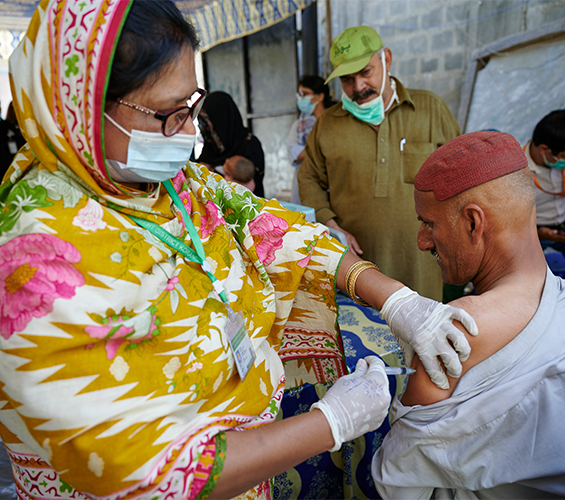
- 21 mobile vaccine camps conducted
- 1,039 individuals received at least one dose of the COVID-19 vaccine
Our partners
PDI has a nationwide footprint, focusing on districts identified by the national STH survey— 47 at-risk districts requiring annual deworming.
Low-Cost Rapid Diagnostics
Low-Cost Rapid Diagnostics
Community-led approach
Grassroots leaders and participatory methods built trust and local ownership
Hybrid engagement model
Integration of community outreach and digital platforms expanded reach
Contextualized messaging
Formative research informed targeted communication strategies
Creative methodologies
Use of participatory theatre and storytelling addressed stigma and misinformation
Integrated delivery
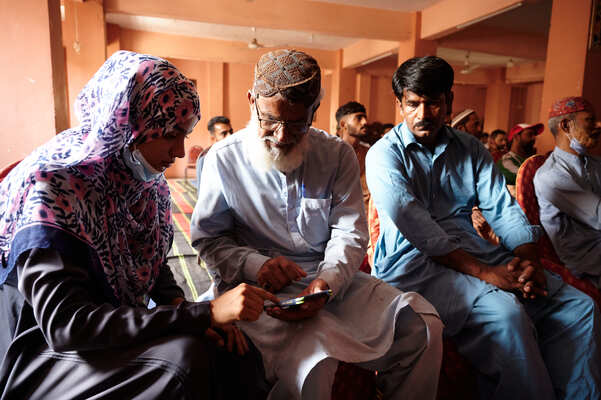
Combining awareness with vaccine access improved uptake