 Work for IRD
 Contact us


Overview
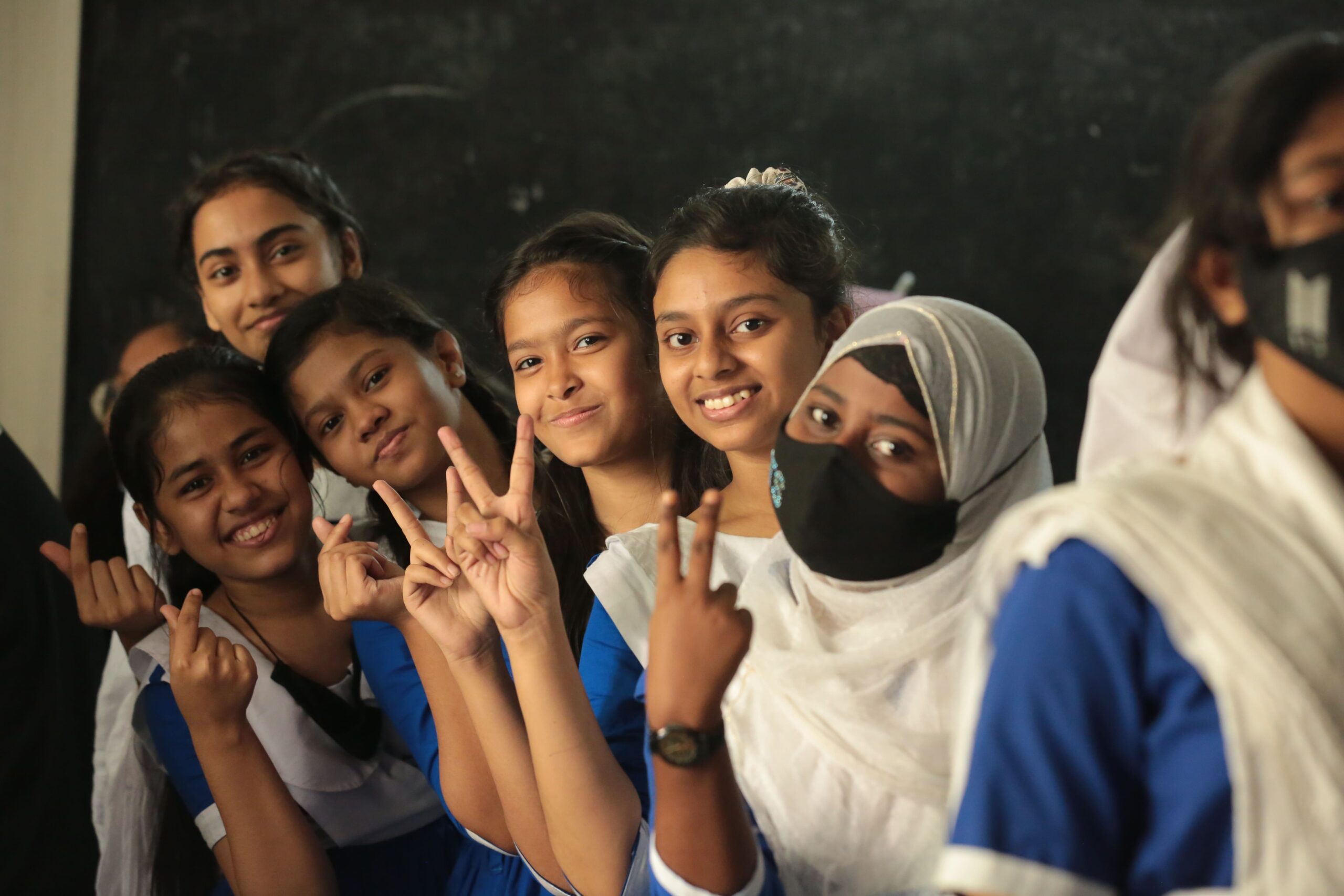
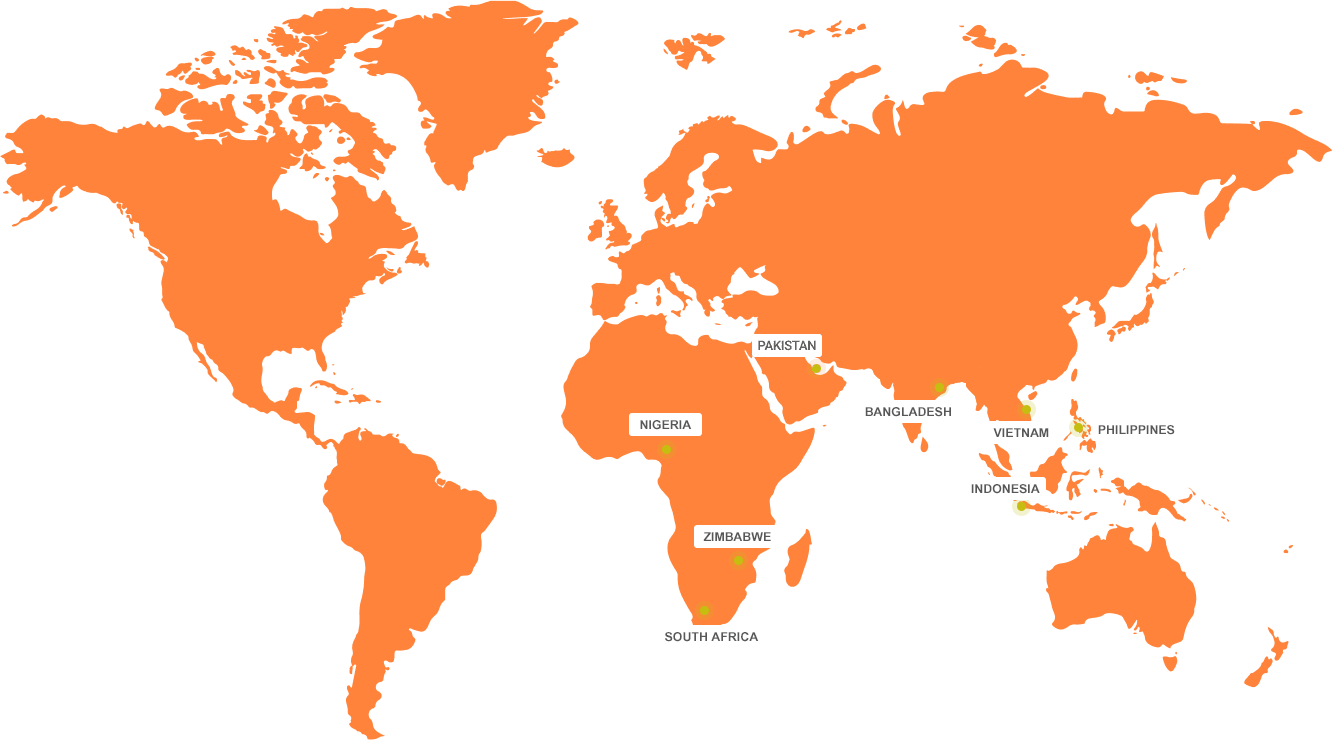
The Integrated Community and Local Provider Response to COVID-19 expanded IRD’s community-based COVID model into school settings in Karachi, Pakistan and Dhaka, Bangladesh.
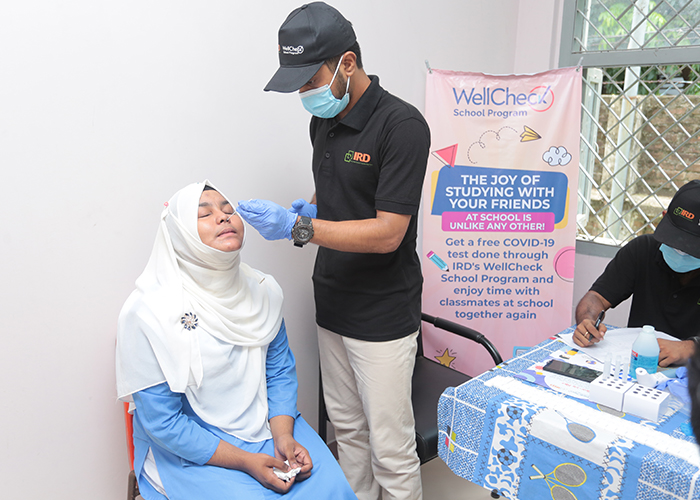
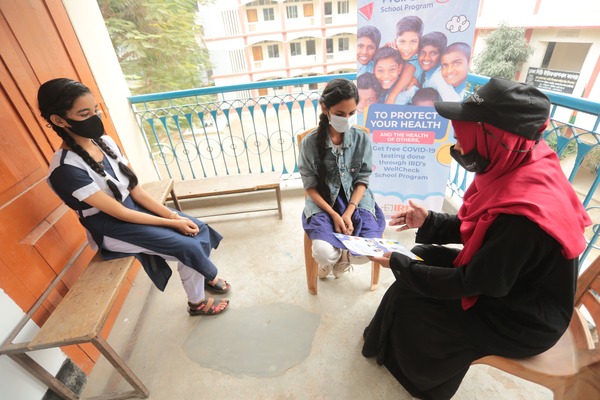
Building on prior success with neighborhood GP clinics, the project introduced school-based surveillance using low-cost antigen rapid diagnostic tests (Ag-RDTs) for students in Grades 7–12, alongside contact tracing, counseling, and referral systems.
The goal was to establish a scalable, integrated public health response that combined: systematic school-based screening, rapid antigen testing, household contact tracing, mental health counseling, linkages to outpatient care and real-time digital monitoring through the Hydra platform.
This model aimed to curb transmission while enabling safer school operations in densely populated urban settings In Karachi, the project reached 200 schools across six districts through integration with the existing GP clinic COVID model and government partnerships with the Sindh Education and Literacy Department. In Dhaka, it reached 150 schools, including 90 public and 60 private schools, across Dhaka North and South City Corporations in collaboration with the Directorate General of Health Services (DGHS). The model served students, school staff, parents, and household members, extending impact beyond school walls.

1M+
individuals reached through surveillance and tracing

206,000
children and contacts targeted for testing

200
schools engaged in Karachi

150
schools engaged in Dhaka
Our Partners
- Ministry of Health (Pakistan & Bangladesh)
- Ministries of Education (Sindh & Dhaka)
- Directorate General of Health Services (Bangladesh)
- Global Access Health (test supplier)
- FIND / ACT-Accelerator
- Local NGO partners (BRAC, Shakti Foundation, SAJIDA Foundation)
The Need
The Need
Low- and middle-income
Low- and middle-income countries faced severe inequities in COVID-19 testing access. In 2021:
- Pakistan conducted approximately 26 tests per 100,000 people
- Bangladesh conducted approximately 23 tests per 100,000 people
- Vaccination coverage remained below 12% in both countries at the time
Schools represented a critical yet under-monitored transmission setting. Repeated closures disrupted education, while lack of surveillance limited understanding of infection dynamics among adolescents.
Schools represented a critical yet under-monitored transmission setting.
Schools represented a critical yet under-monitored transmission setting. Repeated closures disrupted education, while lack of surveillance limited understanding of infection dynamics among adolescents.
Key challenges included:
- Limited access to affordable, rapid diagnostics
- Overburdened hospitals
- Community stigma surrounding testing
- Weak linkage between testing and contact tracing
- No established school-based surveillance systems
The project addressed these gaps by bringing testing closer to communities and embedding surveillance within existing health and education systems.
Our Approach: Delivery
1. Integrated School-Based Surveillance
The project implemented:
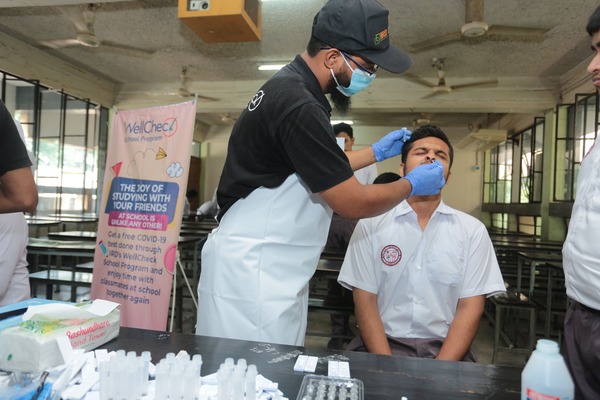
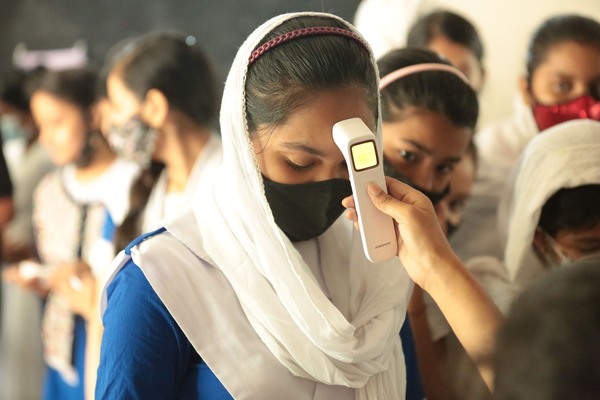
- Symptom-based screening for all students
- Routine testing of 20–25% of asymptomatic students using systematic sampling
- Free testing for household contacts of positive students
- Referral of symptomatic, test-negative students for RT-PCR confirmation
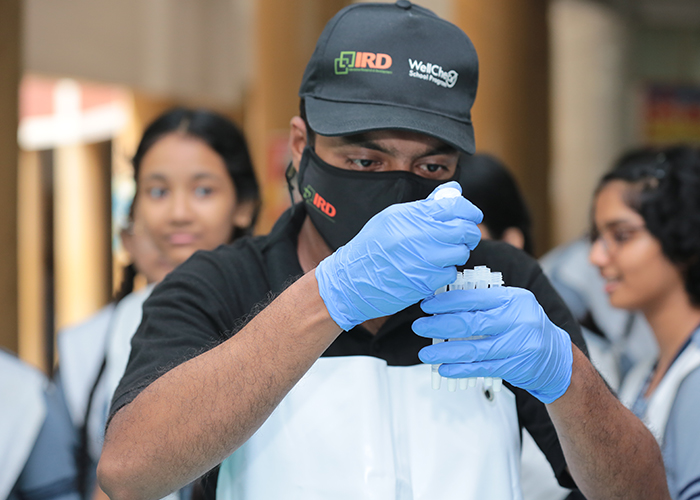
Testing used low-cost Ag-RDTs ($1.50–$2.50 per test) procured through Global Access Health.
2. Digital Monitoring via Hydra
All screening, testing, and contact tracing data were captured through Hydra, IRD’s open-source mobile data platform.
Hydra enabled:
- Real-time test utilization tracking
- Case load analysis by age, gender, and geography
- Linkage of school data with household contacts
- Monitoring of referral and counseling outcomes
- Performance dashboards for decision-making
This ensured data-driven adaptation of screening strategies and rapid responseto positivity trends.
3. Community & Provider Engagement
The project leveraged IRD’s network of:
- 200+ GP clinics in Karachi
- Partnerships with Ministries of Health and Education
- NGOs such as BRAC, Shakti Foundation, SAJIDA Foundation
- Public health authorities (DGHS, SELD, DSHE)
Field teams conducted:
- School sensitization sessions
- Parent engagement activities
- Anti-stigma awareness campaigns
- Mental health counseling for isolated students
4. Strengthening Health System Capacity
The initiative built sustainable capacity by:
- Training teachers and school nurses to conduct Ag-RDT testing
- Developing contextual training materials and SOPs
- Establishing supply chain monitoring systems
- Creating evidence for cost-effectiveness and prediction modeling
The project generated data to inform future public health policy on rapid testing in school settings.
Our partners
PDI has a nationwide footprint, focusing on districts identified by the national STH survey— 47 at-risk districts requiring annual deworming.
Low-Cost Rapid Diagnostics
Low-Cost Rapid Diagnostics
Integrated Disease Model
Affordable Ag-RDTs enabled decentralized testing at scale.
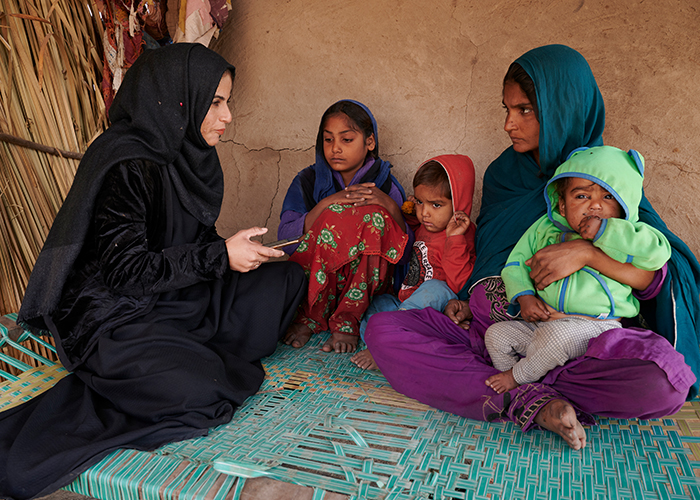
Digital Data Systems
Hydra platform supported real-time monitoring and rapid adaptation.
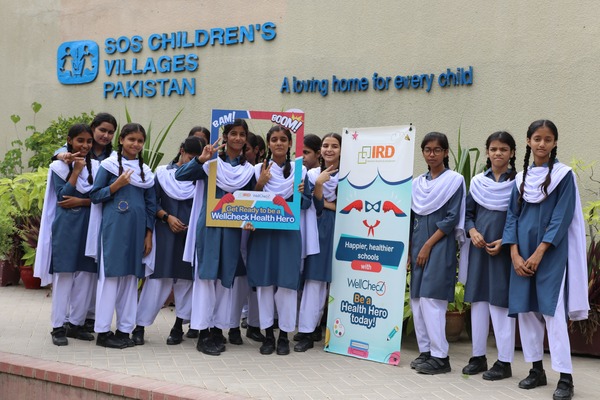
Integrated Care Continuum
Testing linked directly to contact tracing, counseling, and clinical referral.
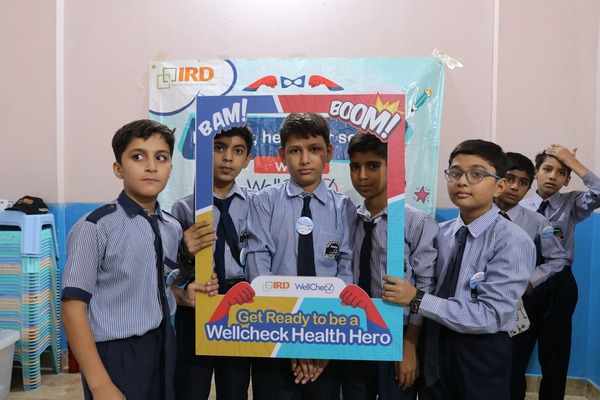
Public–Private Collaboration
Partnerships across government, NGOs, and community providers.
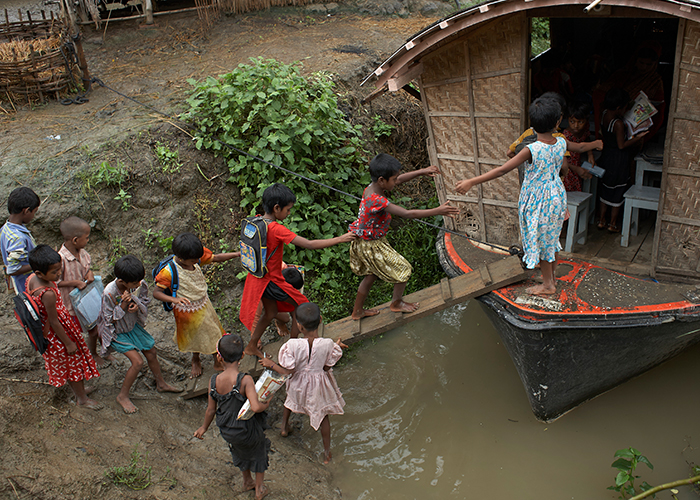
Behavioral & Community Engagement
Targeted communication campaigns reduced stigma and improved testing uptake.
Evidence Generation for Policy
Costing analyses, surveillance data, and predictive modeling to inform future pandemic preparedness.