 Work for IRD
 Contact us



Overview
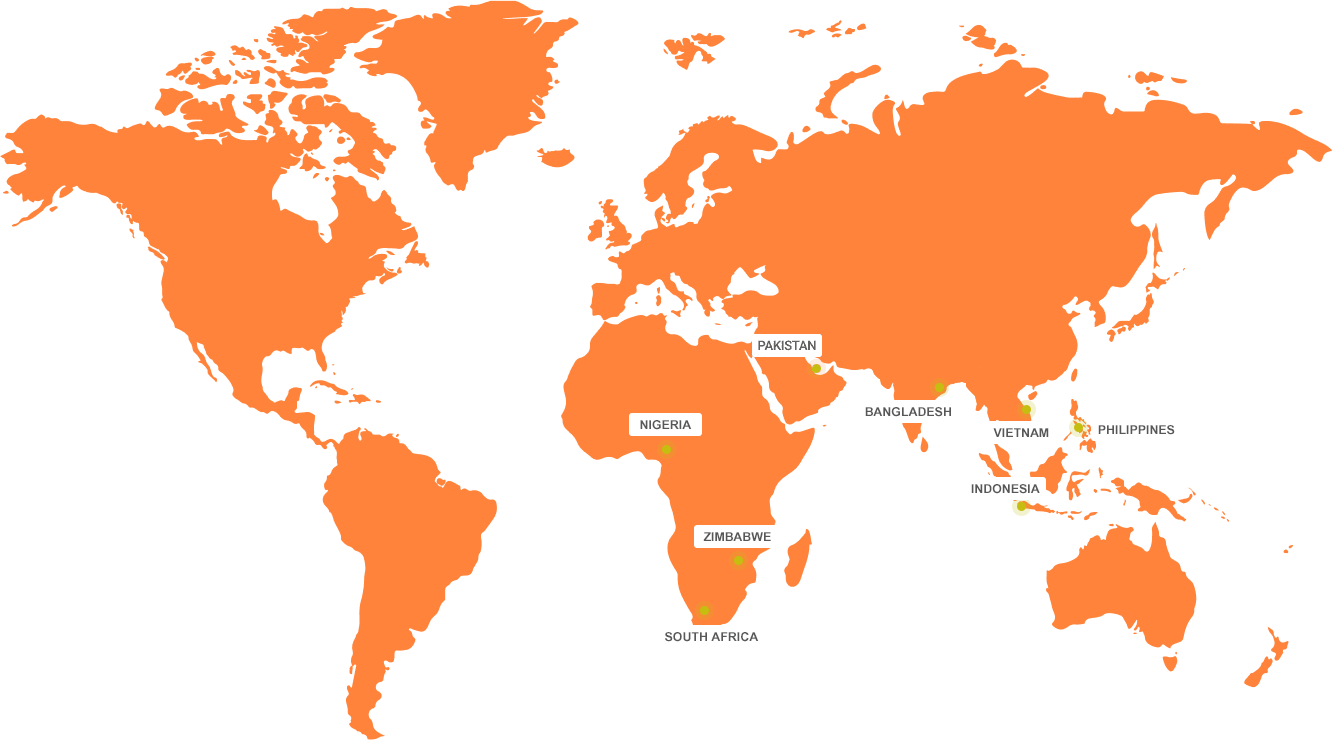
In partnership with the Foundation for Innovative New Diagnostics (FIND), IRD Global implemented a community-based integrated TB–NCD screening program in Dhaka, Bangladesh and Metro Manila, Philippines from June to October 2023.
The project aimed to address the growing co-burden of tuberculosis (TB), diabetes (DM), and hypertension (HTN) through a unified screening, referral, and counseling model targeting vulnerable adult populations (18+).
Screening was conducted in public health facilities, community outreach camps and urban and peri-urban settlements.
The program leveraged IRD’s WellCheck platform, digital data collection via Hydra, strong collaboration with National TB and NCD programs, and integrated mental health counseling to ensure comprehensive, patient-centered care In Bangladesh, 42,107 individuals were approached and 37,458 screened, with implementation balanced between facilities (46%) and communities (54%). In Metro Manila, 24,093 individuals were screened, with 97% of implementation conducted in community settings. The model prioritized women, elderly populations, and vulnerable urban communities.

61,551
individuals screened for TB, diabetes and hypertension

598
individuals newly diagnosed with hypertension

360
individuals newly diagnosed with diabetes

158
individuals newly diagnosed with TB
Our Partners
- Foundation for Innovative New Diagnostics (FIND)
- National TB Control Programs
- Government NCD Corners
- Public health facilities in Bangladesh and the Philippines
- Community leaders and local stakeholders
The Need
The Need
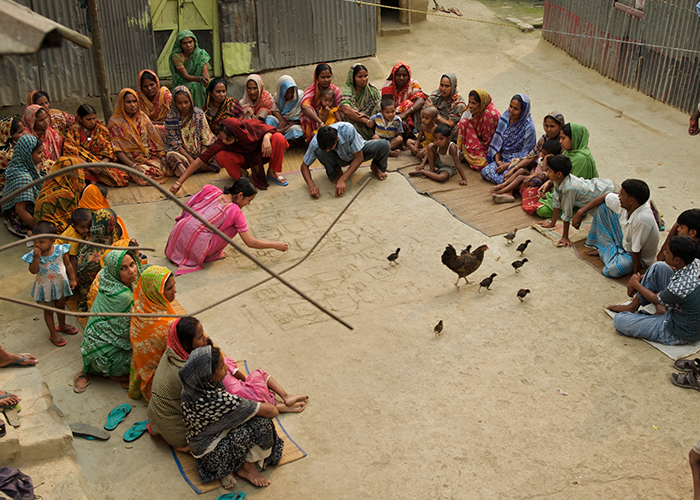
Bangladesh and the Philippines face a dual burden
Bangladesh and the Philippines face a dual burden of infectious and non-communicable diseases
- High TB incidence
- Rising diabetes prevalence (~12% in Bangladesh)
- Increasing hypertension rates (~20% national estimate in Bangladesh)
- Limited routine integrated screening for TB–DM–HTN
- Fragmented referral pathways
While TB–DM co-morbidity is recognized in national programs, TB–HTN co-existence remains under-addressed.
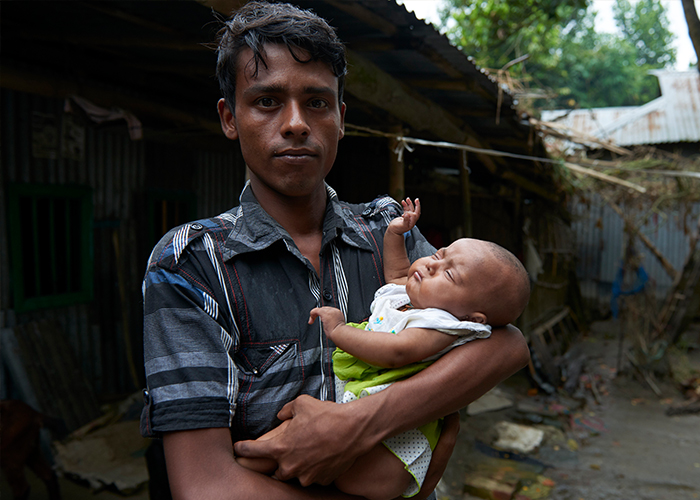
Patients with chronic conditions often face
- Delayed diagnosis
- Poor linkage to confirmatory testing
- Weak follow-up
- Limited mental health support
The FIND project was designed to test an integrated, community-centered model that could improve early detection, strengthen referral pathways, and address physical and mental health together.
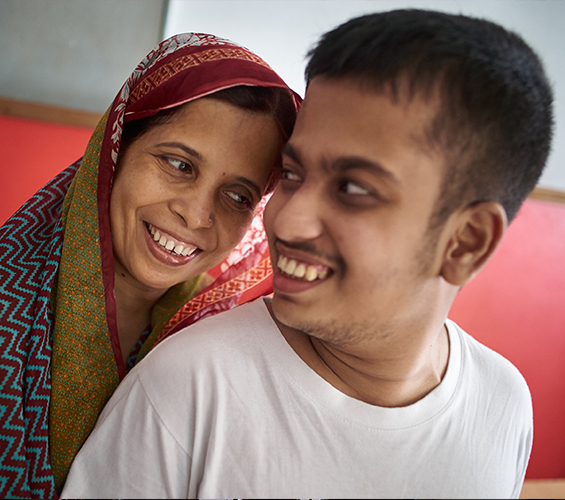
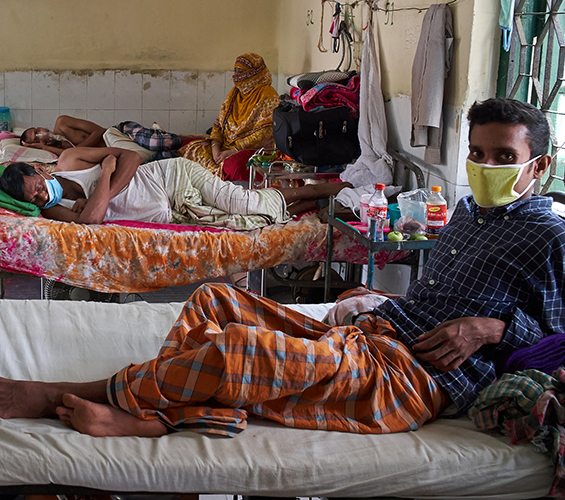
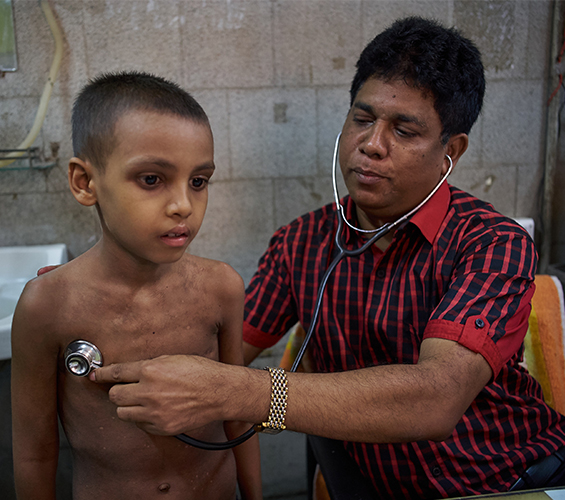
Our Approach: Delivery
1. Integrated Community & Facility Screening
Between Bangladesh and the Philippines:
- 61,551 individuals screened
- 158 new TB cases detected
- 360 new diabetes cases diagnosed
- 598 new hypertension cases diagnosed
In Bangladesh alone:
- 37,458 individuals screened
- 150 TB cases diagnosed (100% treatment initiation ensured)
- 358 diabetes cases confirmed
- 563 hypertension cases confirmed
Screening included:
- Verbal TB symptom screening
- GeneXpert referral for presumptive TB
- Glucometer-based blood sugar testing
- Digital blood pressure monitoring
- Referral to government NCD corners and TB facilities
Strong government collaboration enabled high confirmatory testing uptake and treatment initiation.
2. Digital Monitoring through Hydra
All data were captured via IRD’s Hydra mobile platform, enabling:
- Real-time screening and referral tracking
- Secure, encrypted data management
- Performance dashboards for supervisors
- Rapid workflow adjustments
- Offline data entry with cloud synchronization
Hydra ensured accountability across the screening-to-treatment cascade and improved follow-up of presumptive cases.
3. Addressing Co-Morbidity
The project generated important data on disease overlap:
- TB + Diabetes
- TB + Hypertension
- Diabetes + Hypertension (~5% prevalence)
- TB + DM + HTN (rare but clinically significant)
Notably:
- 18% of TB patients had diabetes
- 25.6% of TB patients had hypertension
These findings underscore the importance of integrated screening
rather than siloed disease programs.
4. Mental Health Integration
Mental health screening was embedded within the TB–NCD pathway.
- 579 patients screened for depression/anxiety
- 44% showed symptoms
- 97.7% enrolled in counseling
- 100% of those completing sessions experienced remission of symptoms
Lay counselors delivered structured sessions using validated tools
(PHQ-4, PHQ-9, GAD-7), demonstrating that task-shifted mental health
services are feasible and effective in low-resource settings.
Our partners
PDI has a nationwide footprint, focusing on districts identified by the national STH survey— 47 at-risk districts requiring annual deworming.
The Drivers Behind Our Impact
The Drivers Behind Our Impact
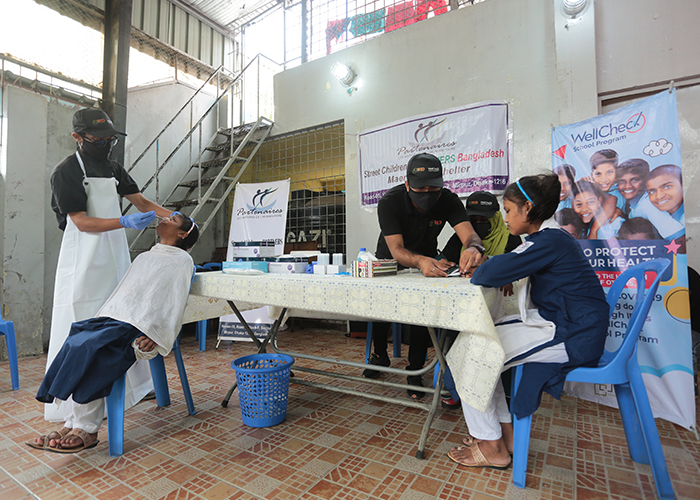
Integrated Disease Model
Simultaneous TB–DM–HTN screening improves efficiency and case detection.
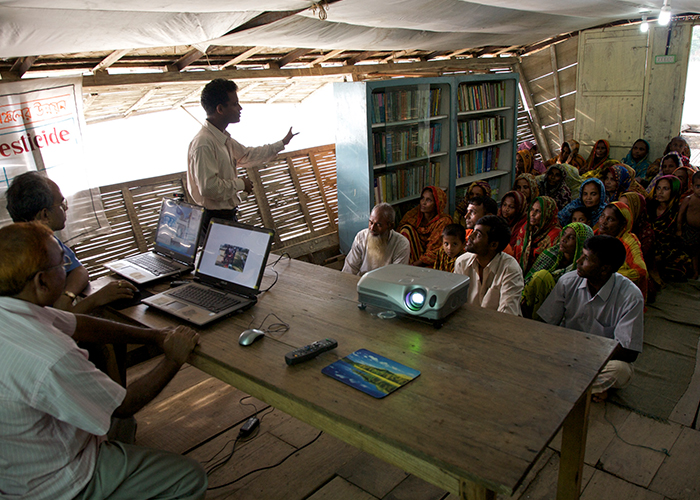
Government Collaboration
Strong alignment with National TB and NCD programs ensured confirmatory testing and treatment linkage.
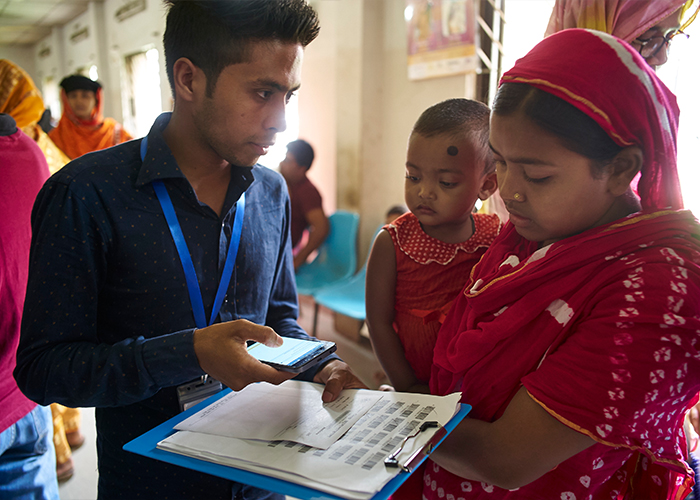
Digital Health Systems
Hydra enabled real-time monitoring and accountability.
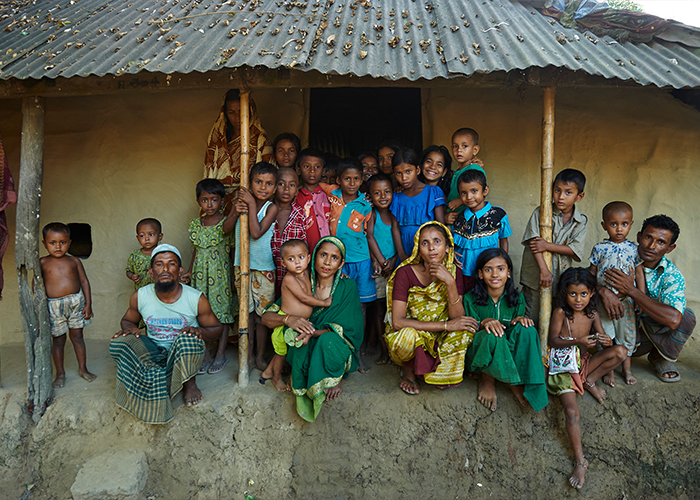
Community Engagement
Outreach camps, culturally tailored communications, and local stakeholder partnerships increased trust and participation.

Mental Health Integration
Embedding counseling improved patient acceptance, adherence, and holistic care.
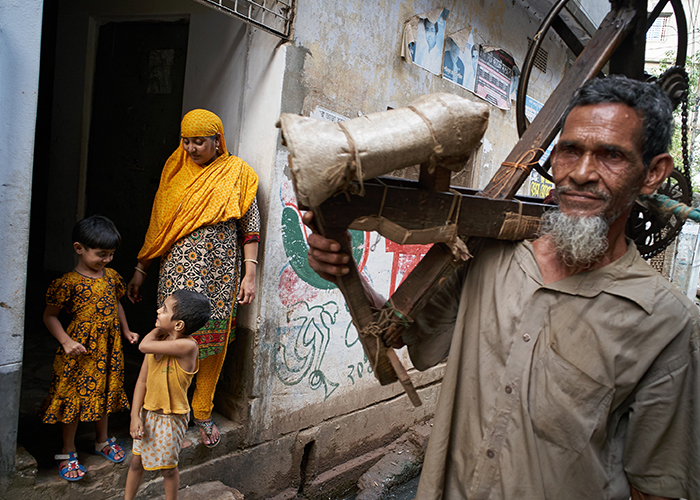
Evidence for Scale-Up
Data demonstrate feasibility of integrated TB–NCD screening in resource-limited settings and inform future program design.