 Work for IRD
 Contact us


Overview
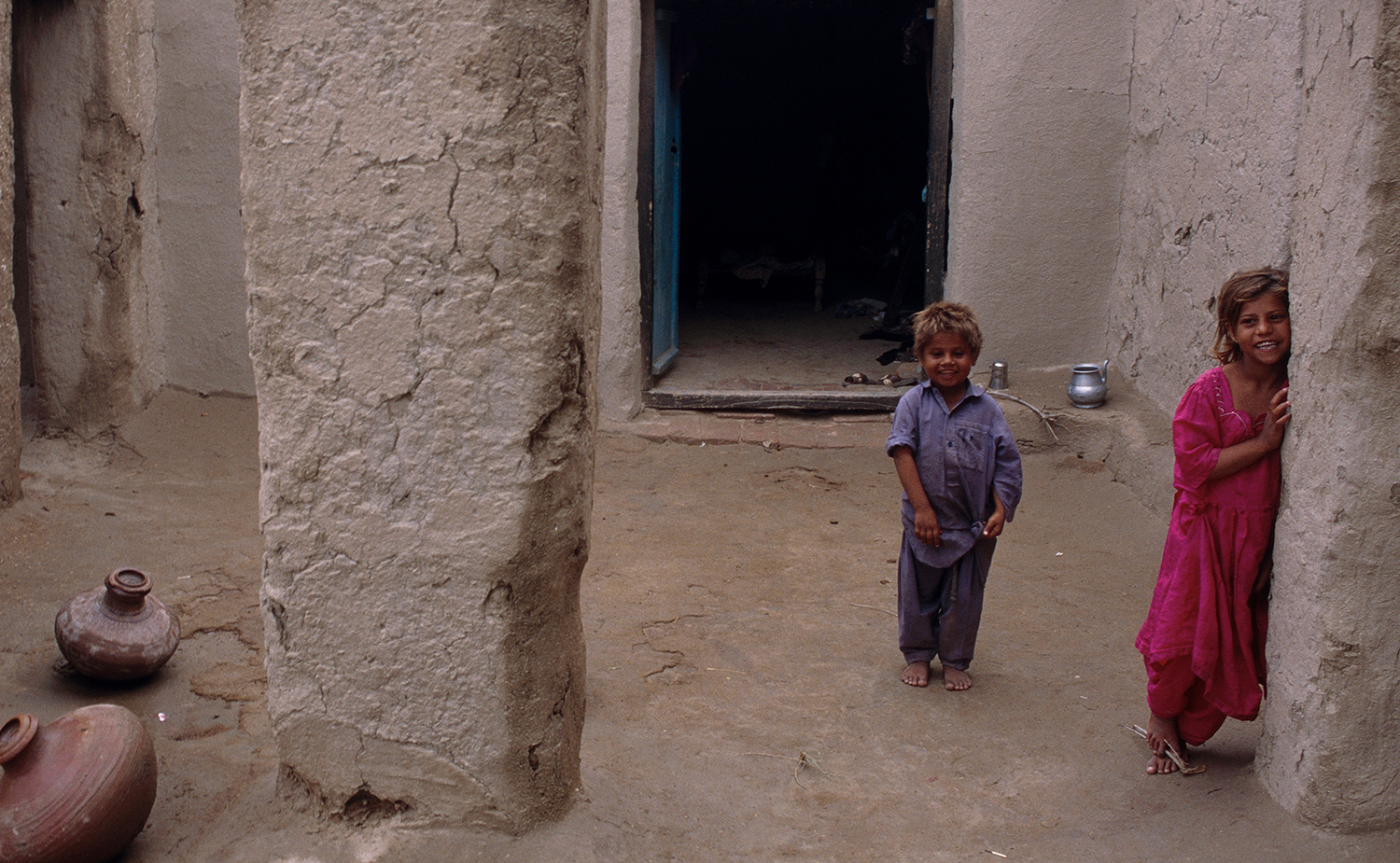
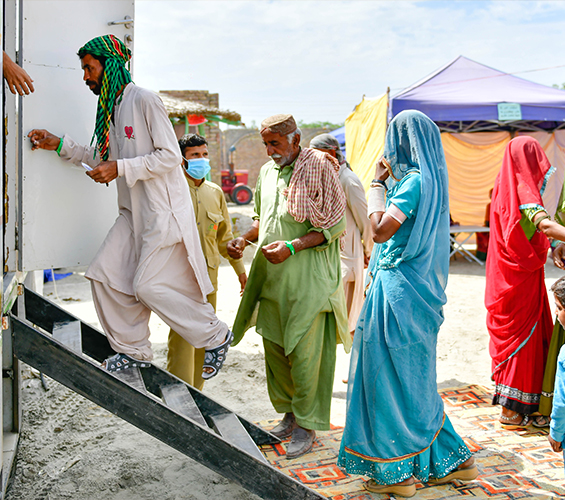
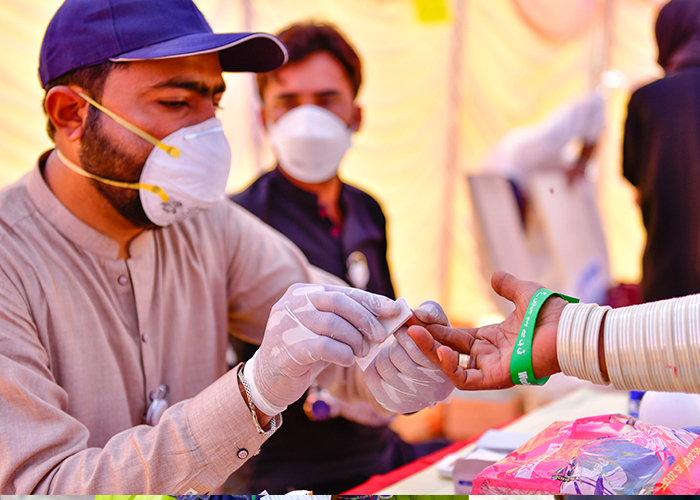
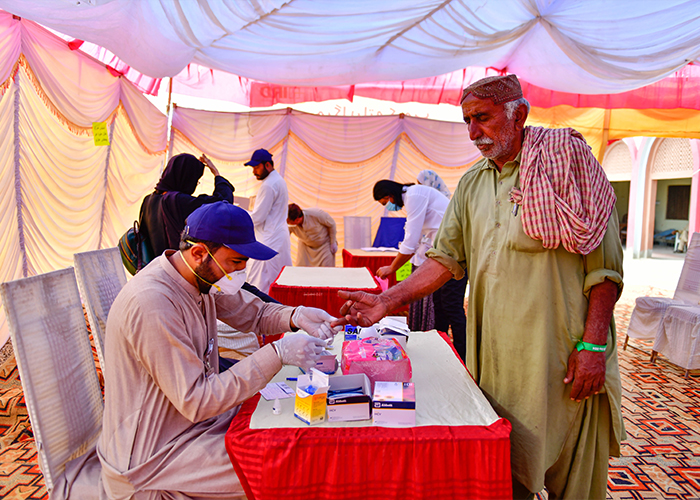
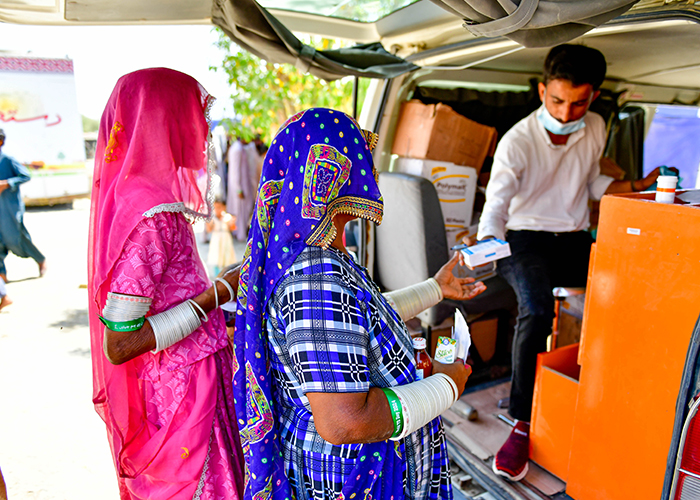
The Integrated Service Delivery (ISD) Program – TBR-10/Dastak unifies TB, COVID-19, hepatitis C, and mental health services in rural Sindh. By combining mobile clinics, tele-mental health support, AI-assisted screening, and community engagement, ISD improves access to diagnosis, treatment, and psychosocial care for vulnerable populations. The program addresses structural and socio-cultural barriers in under-resourced districts, ensuring that patients receive comprehensive, patient-centred care across multiple infectious diseases while reducing stigma and treatment non-compliance. The ISD program is operational in three districts of Sindh—Mirpurkhas, Tando Allahyar, and Tharparkar—with services delivered through mobile clinics, telehealth platforms, and community outreach to reach patients in under-resourced and hard-to-access areas.

5,169
individuals eligible for mental health assessment

4,761
mental health assessments conducted

128
individuals initiated counselling

54
individuals completed counselling
The Need
The Need
Tuberculosis remains a major global health challenge
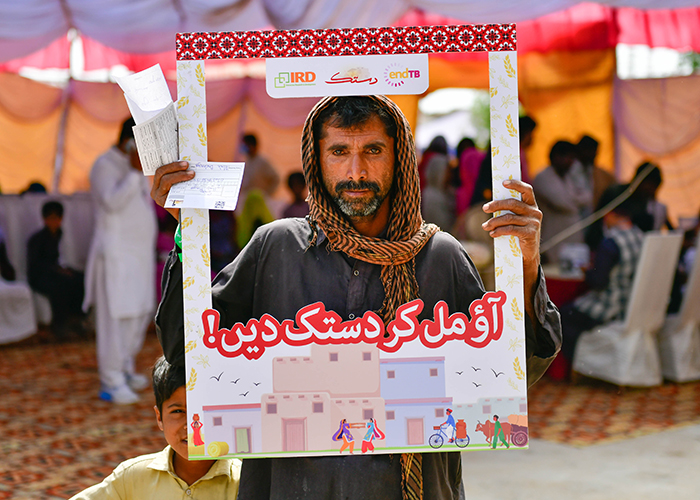
Tuberculosis remains a major global health challenge, particularly in high-burden settings where identifying populations at highest risk of infection is critical for targeted prevention and vaccine development.
There is limited site-level data on latent TB infection and operational readiness for large-scale vaccine trials. This project addresses these gaps by generating epidemiological evidence and strengthening site capacity for participant recruitment, follow-up, retention, and biological sample processing.
Our Approach
Epidemiological Assessment
- Measurement of IGRA positivity among high-risk populations
- Analysis of TB infection prevalence across different sites and groups
- Monitoring changes in IGRA positivity over time
- Assessment of TB disease development among participants
Participant Recruitment and Follow-Up
- Recruitment of participants aged 15–34 years from high-burden settings
- Inclusion of three groups:
- General community populations
- Targeted high-risk groups (e.g., healthcare workers, students)
- Household contacts of TB cases
- Remote follow-ups every 2 months
- Facility visits every 6 months up to 30 months
Clinical and Laboratory Procedures
- Blood sample collection for:
- IGRA testing
- HIV testing
- Biomarker analysis
- Sputum testing using culture and Xpert Ultra for suspected TB cases
- Urine sample collection for biomarker testing
- Clinical evaluation during scheduled and unscheduled visits
Capacity Building for Vaccine Trials
- Strengthening site capacity for participant recruitment and retention
- Establishing systems for sample collection, processing, and data quality
- Assessing operational feasibility for future Phase 3 TB vaccine trials
Our partners
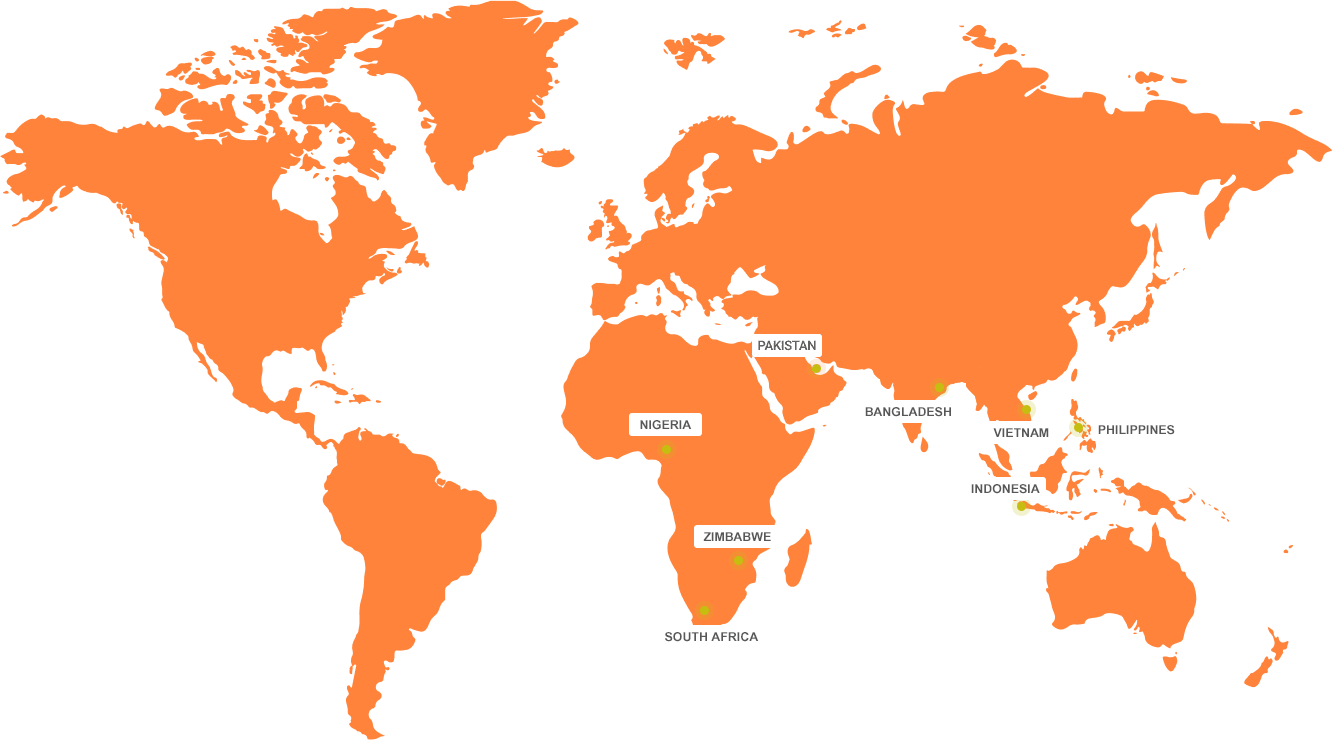
PDI has a nationwide footprint, focusing on districts identified by the national STH survey— 47 at-risk districts requiring annual deworming.
The Drivers Behind Our Impact
The Drivers Behind Our Impact
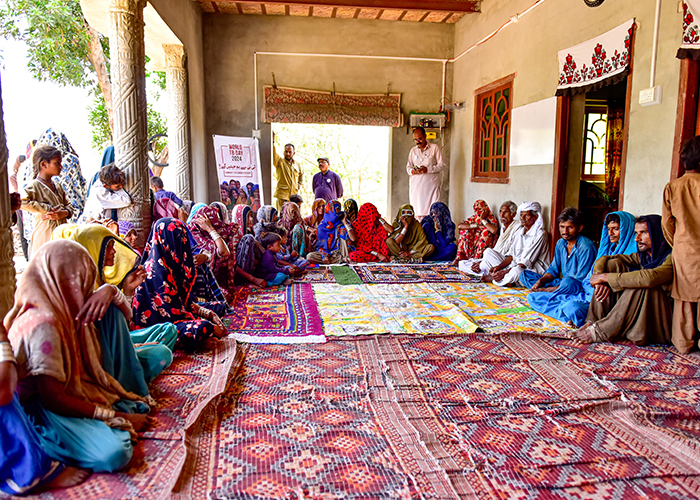
Integrated research and capacity building
Combining epidemiological data collection with site strengthening
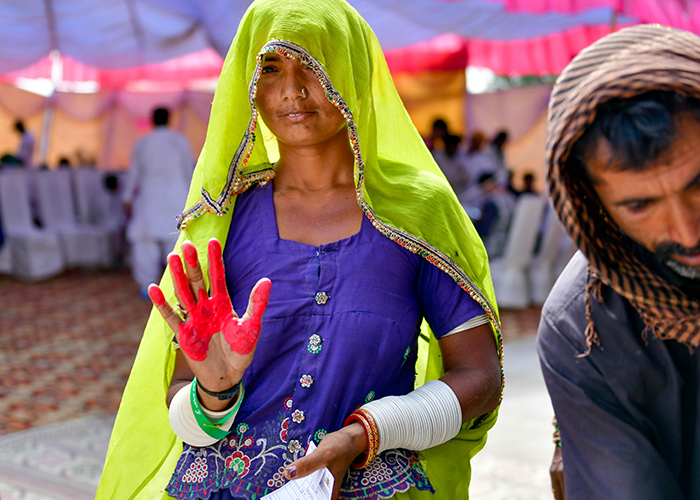
Focus on high-risk populations
Targeting groups most vulnerable to TB infection
Standardized study protocols
Ensuring high-quality clinical and laboratory data
Longitudinal follow-up
Enabling tracking of infection dynamics over time
Global collaboration
Contributing to multi-country evidence generation for TB vaccine development