 Work for IRD
 Contact us


Overview
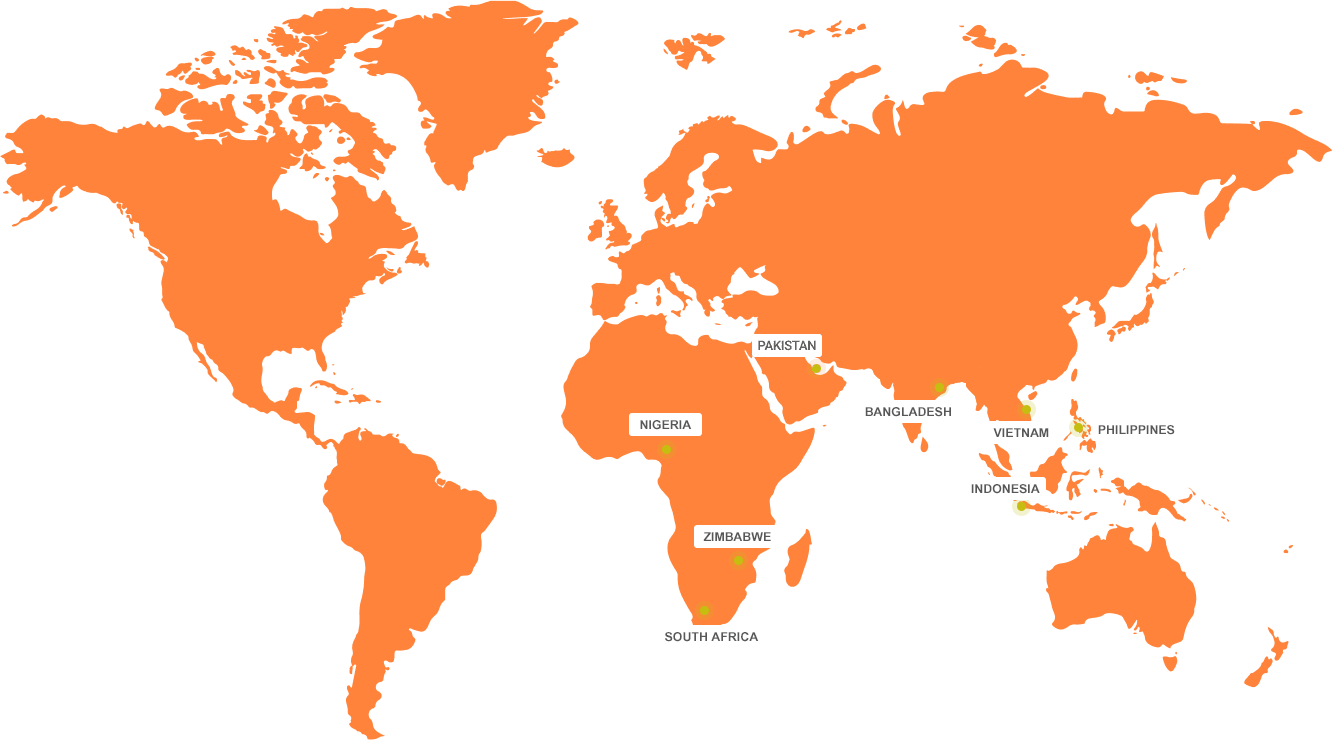
This project focuses on expanding tuberculosis (TB) prevention in Pakistan through household contact tracing and preventive treatment (TPT) for both drug-sensitive (DS-TB) and drug-resistant TB (DR-TB).
Implemented under Pakistan’s Zero TB Initiative with support from the Global Fund, the project was conducted across multiple sites including Karachi, Kotri, and Peshawar.
The project evaluates the safety, feasibility, and effectiveness of preventive treatment regimens—particularly 3HP, 1HP, and fluoroquinolone-based regimens- in real-world, programmatic settings. The project was implemented across Karachi, Kotri, and Peshawar under the Zero TB Initiative, with expansion across multiple districts.

24,894
contacts evaluated for TB prevention

14,801
individuals started 3HP treatment

94%
treatment completion among children on 1HP

76%
treatment completion among 3HP patients
The Need
The Need
Household contacts of TB
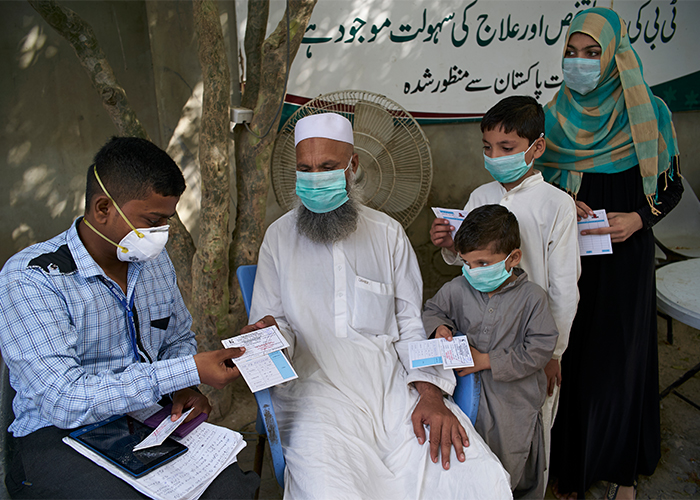
Household contacts of TB patients are at high risk of developing active disease. However, preventive treatment has historically been underutilized due to concerns around safety, adherence, and feasibility in routine health systems.
This project addresses these gaps by testing shorter, more effective preventive regimens and integrating contact tracing into programmatic TB care delivery.

Our Approach: Delivery
Household Contact Tracing
The project follows a structured cascade:
Between 2013 and 2016:
- Identification of index TB patients
- Enumeration of household contacts
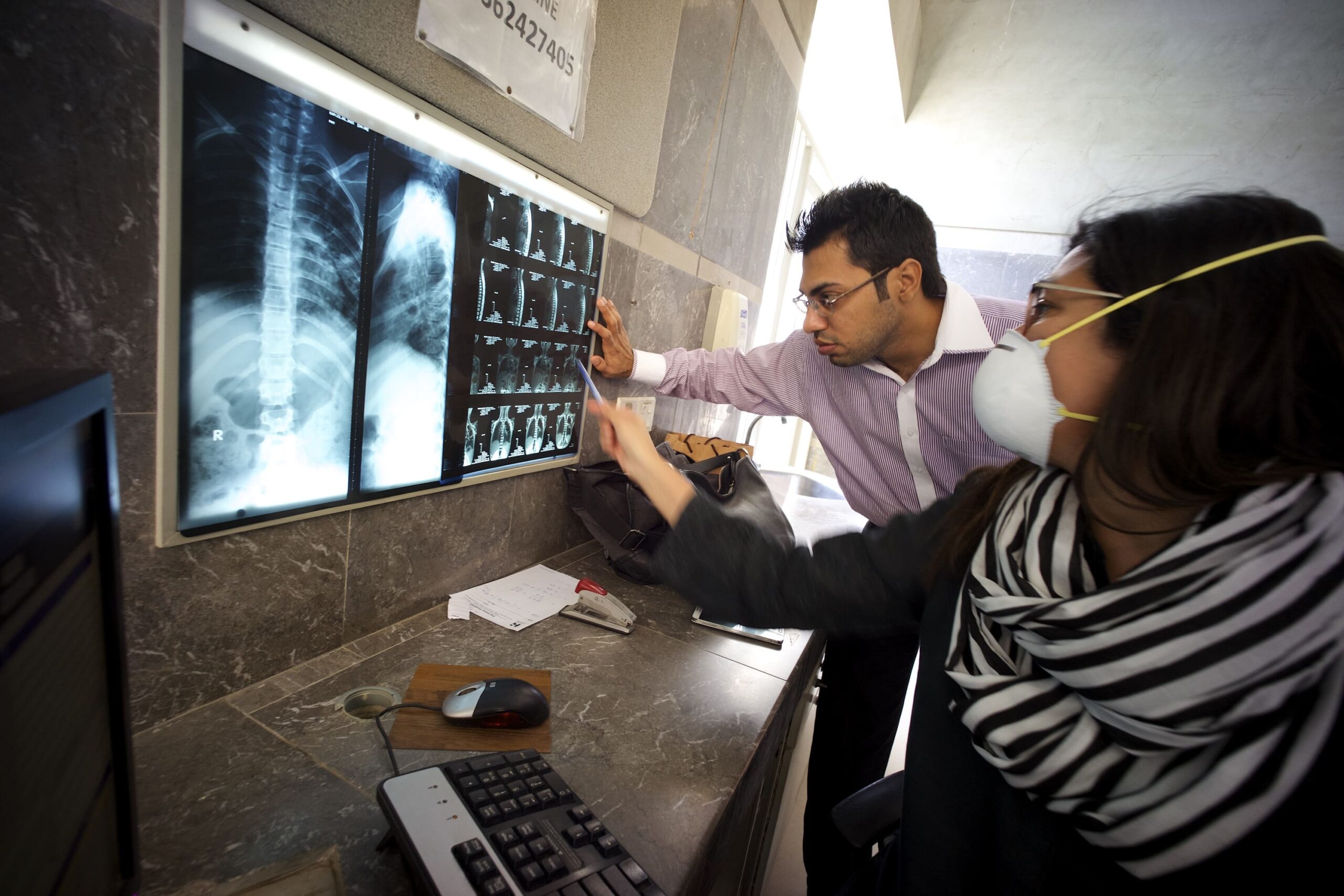
- Symptom screening and clinical evaluation
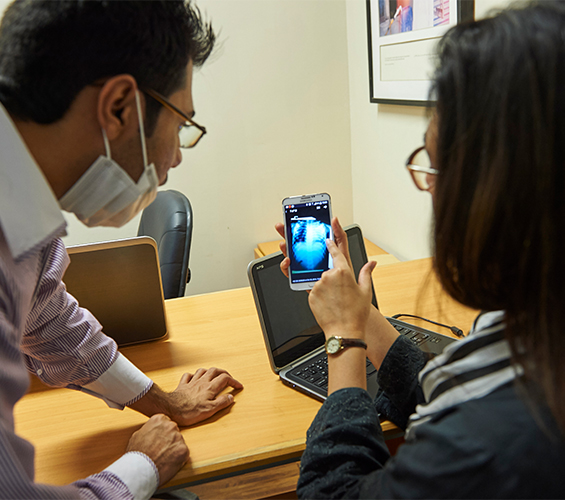
- Chest X-ray and GeneXpert testing
- Identification of TB disease vs. eligible contacts
- Initiation of preventive treatment for eligible individuals
Preventive Treatment Regimens
Different regimens were evaluated:
- 3HP (3 months)
- 6H (6 months)
- 1HP (children)
- Fluoroquinolone-based regimens for DR-TB
Community-Based Delivery Model
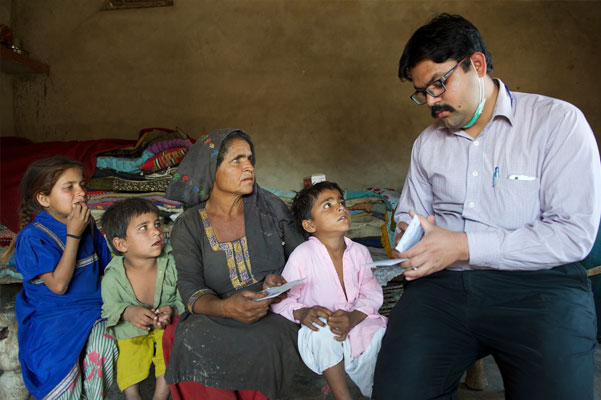
A community-based contact management model was implemented, including:
- Mobile X-ray screening
- Clinical evaluation by medical officers
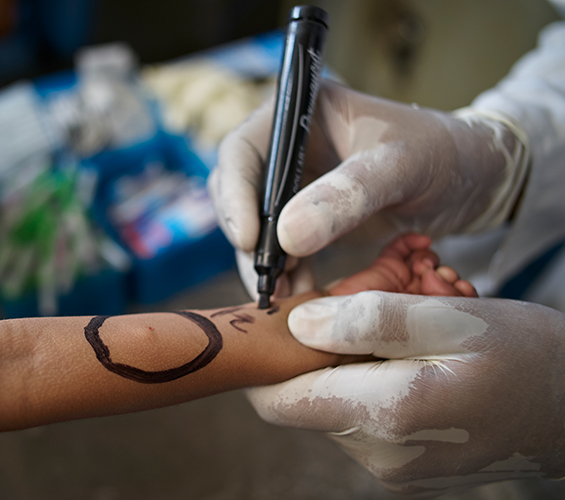
- On-site initiation of preventive treatment
- Follow-up counselling and treatment adherence support
Adding a community component improved completion of the prevention cascade by approximately 6%.
Our partners
PDI has a nationwide footprint, focusing on districts identified by the national STH survey— 47 at-risk districts requiring annual deworming.
The Drivers Behind Our Impact
The Drivers Behind Our Impact
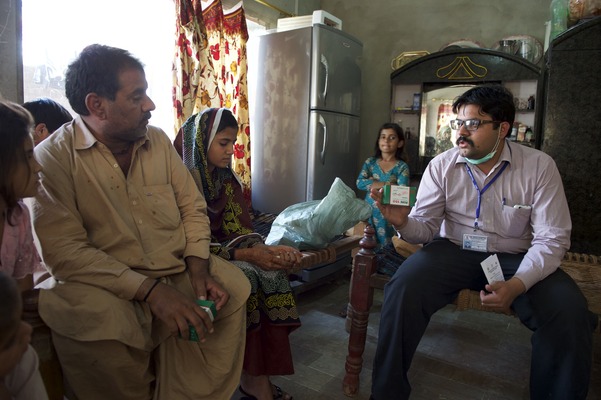
Shorter regimens improve adherence
Higher completion rates with 3HP and 1HP
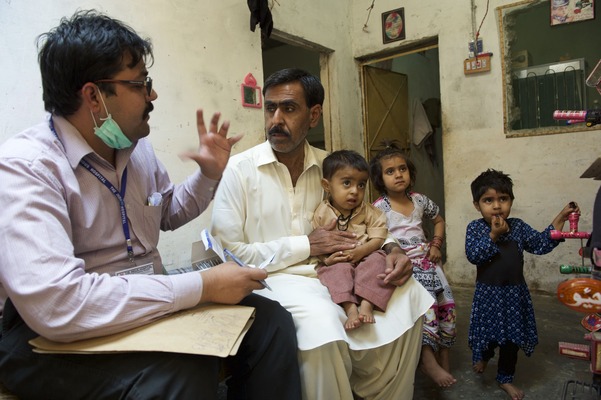
Community-based delivery
Improves access and treatment completion
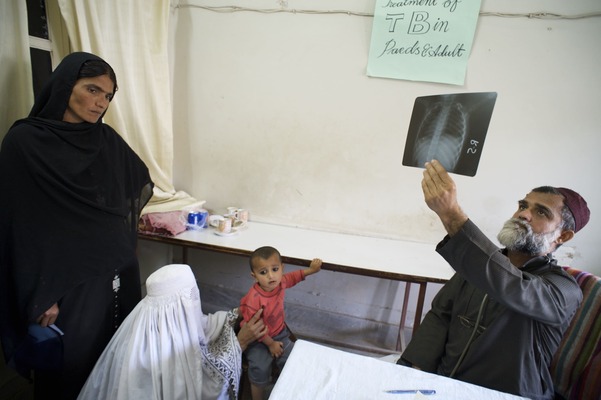
Evidence-based implementation
Programmatic data demonstrating safety and feasibility
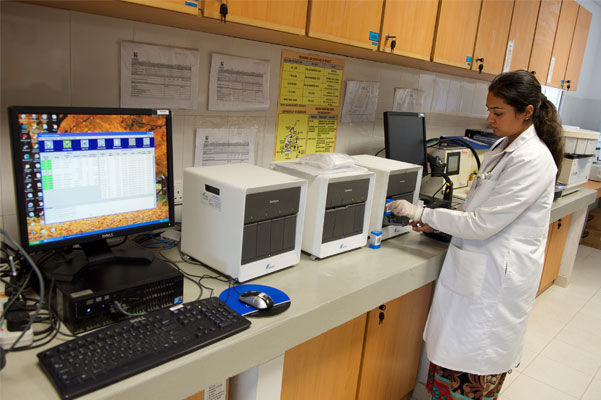
Integrated screening model
Combines diagnostics and prevention in one pathway
Applicability across populations
Effective in adults, children, and high-risk settings