 Work for IRD
 Contact us


Overview
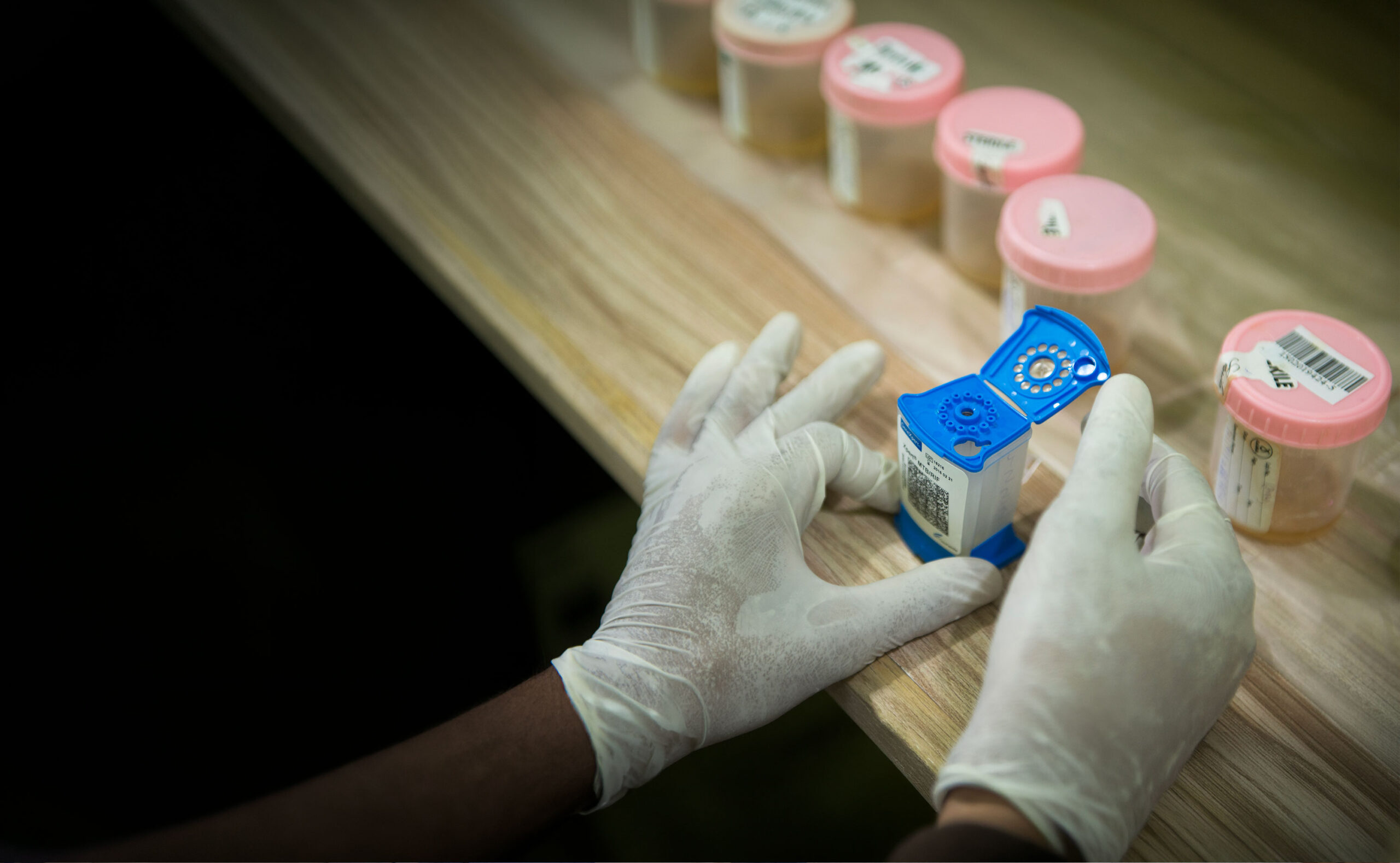
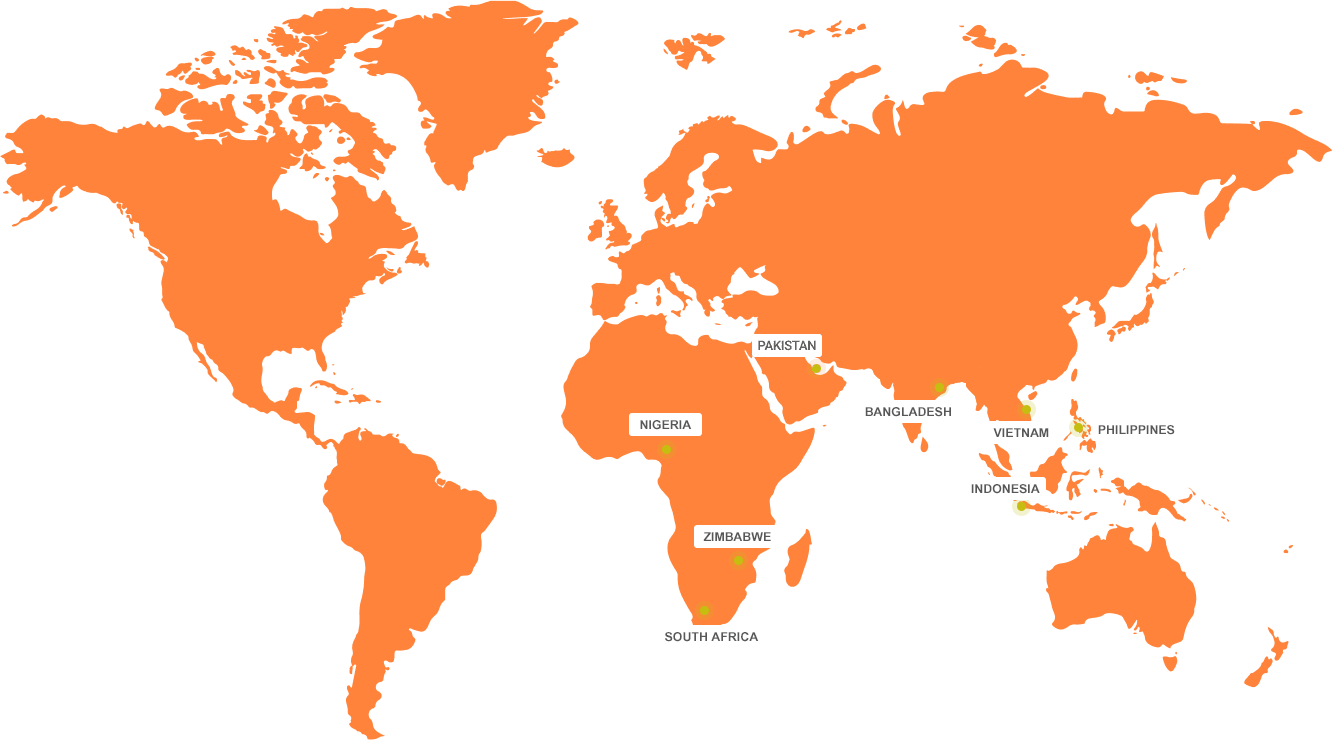
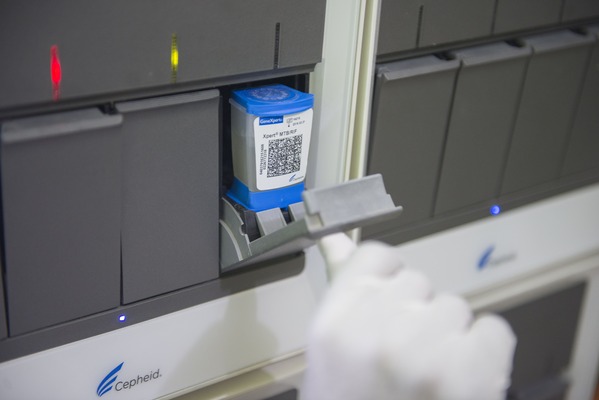
The TBXpert Project was a UNITAID-supported initiative implemented by IRD to scale up rapid molecular diagnosis of tuberculosis (TB) in Karachi, Pakistan, using the GeneXpert MTB/RIF platform.
Launched in 2013, the project aimed to strengthen TB case detection – particularly drug-resistant TB (DR-TB) – by integrating Xpert testing into both public sector hospitals and innovative social business centers branded as Sehatmand Zindagi (Healthy Life).
The project combined high-volume molecular diagnostics, public–private mix (PPM) engagement, active case-finding, and revenue-generating service models to improve access to accurate TB diagnosis while enhancing sustainability. Initially implemented in Karachi, TBXpert expanded to 7 PPM hospital sites, 4 Social Business centers, and 25 GeneXpert machines (100 modules) across public and private facilities. The intervention later informed scale-up across Sindh and Punjab under Global Fund programming, covering 26 additional districts.

1.3M+
individuals screened for TB

101,811
GeneXpert tests conducted

16,111
TB cases bacteriologically confirmed

15,089
patients initiated on treatment
Our Partners
- UNITAID
- STOP TB Partnership / TB REACH
- National TB Program (NTP) Pakistan
- Public sector hospitals in Karachi
- Indus Hospital & Health Network
- Private-sector providers
- Global Fund (scale-up phase)
The Need
The Need
Pakistan is among the highest TB burden countries globally
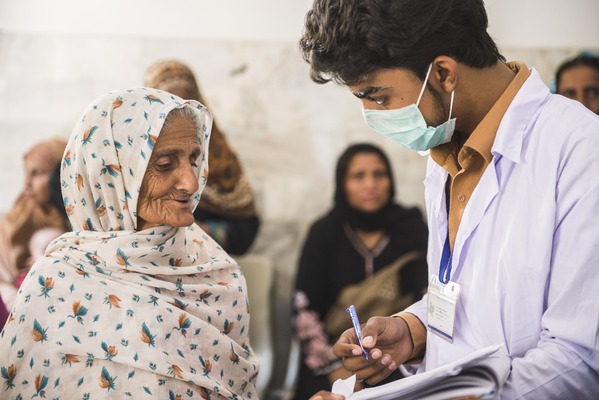
Pakistan is among the highest TB burden countries globally, with a growing challenge of multidrug-resistant TB (MDR-TB).
Before TBXpert:
- Diagnostic practices relied heavily on smear microscopy, missing many bacteriologically positive and drug-resistant cases
- Access to molecular testing was limited to select tertiary facilities
- Private-sector providers lacked standardized diagnostic algorithms
- MDR-TB detection was delayed due to limited drug-susceptibility testing
Karachi, a megacity with dense populations
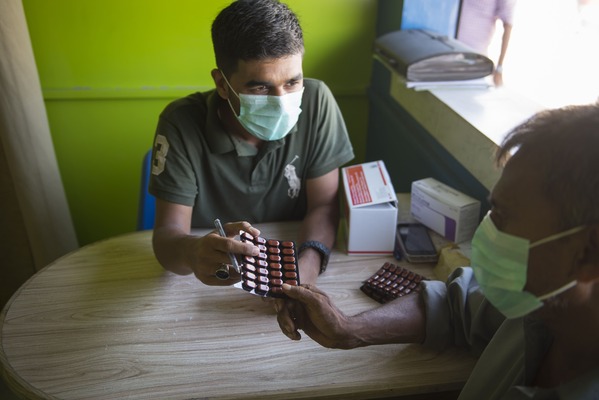
Karachi, a megacity with dense populations and high TB transmission, required an integrated strategy to:
- Increase bacteriologically confirmed TB detection
- Detect MDR-TB early through rapid rifampicin resistance testing
- Engage private providers in standardized TB care
- Improve linkage to treatment and PMDT (Programmatic Management of Drug-Resistant TB) services
TBXpert was designed to address these systemic diagnostic and access gaps.
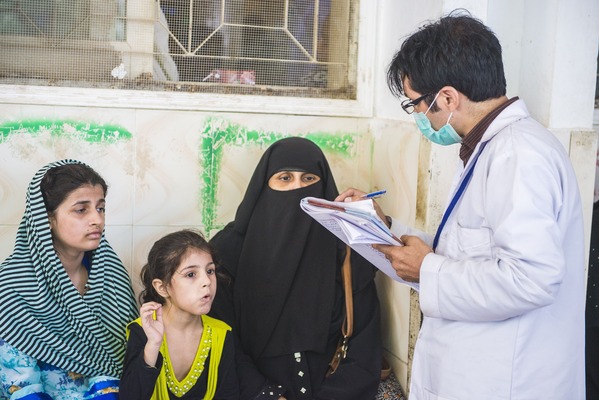
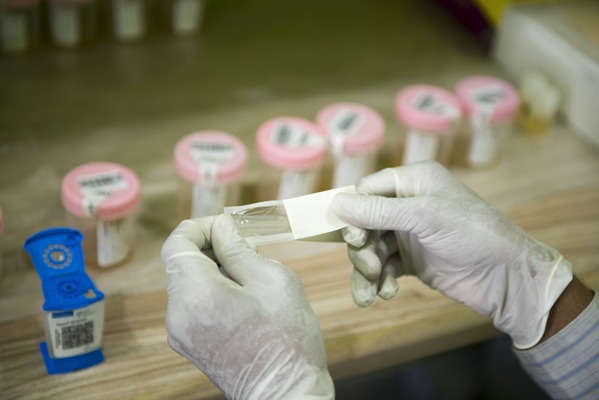
Our Approach: Delivery
1. Scale-Up of Rapid Molecular Diagnostics
Between 2013 and 2016:
- 101,811 Xpert MTB/RIF tests conducted
- 16,111 MTB-positive cases detected
- 826 rifampicin-resistant cases identified
2016 TB Xpert Report_IRD final
Testing expanded across:
- Public–Private Mix (PPM) hospitals
- Sehatmand Zindagi social business centers
- High-volume tertiary hospitals
- PMDT sites
By Q2 2015, more than 52,000 Xpert tests had been conducted across sites, detecting over 9,115 MTB-positive cases.
2. Social Business Model for Sustainability
The Sehatmand Zindagi centers:
- Offered free TB diagnostics
- Integrated additional diagnostic service lines
- Generated operational revenue to recover field-level costs
- Sustained services beyond the initial grant period
Revenue growth allowed operations to continue during funding gaps and supported transition to Global Fund scale-up.
3. Strengthening MDR-TB Detection
TBXpert significantly increased MDR-TB notifications in Karachi:
- 56% increase in MDR-TB detection compared to baseline
M&E ppt_karachi - Adoption of expanded testing algorithm
- Contributed to National TB Program’s shift toward universal drug-susceptibility testing (DST)
Importantly, the project identified a rising proportion of newly diagnosed MDR-TB cases — demonstrating the importance of testing all presumptive TB patients, not only previously treated cases.
4. Public–Private Mix Engagement
The project engaged:
- Major tertiary hospitals
- Government sector hospitals
- Private practitioners
- Community health networks
At peak performance:
- 50% of new smear-positive notifications in Karachi originated from TBXpert sites M&E ppt_karachi
- Indus Hospital and Sehatmand Zindagi centers became leading reporting facilities
5. Integrated Screening & Co-Morbidity Linkages
Innovations included:
- TB screening among diabetes patients
- Mass screening through digital chest X-rays
- CAD4TB-supported triage
- Community mobilization through factories, madrassahs, and jails
Screening strategies improved yield and strengthened private-sector diagnostic practices.
Our partners
PDI has a nationwide footprint, focusing on districts identified by the national STH survey— 47 at-risk districts requiring annual deworming.
The Drivers Behind Our Impact
The Drivers Behind Our Impact
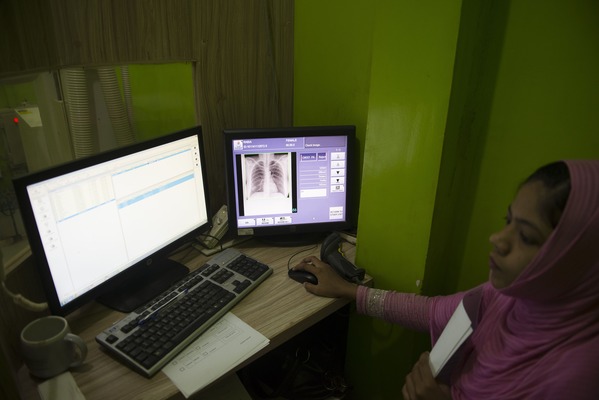
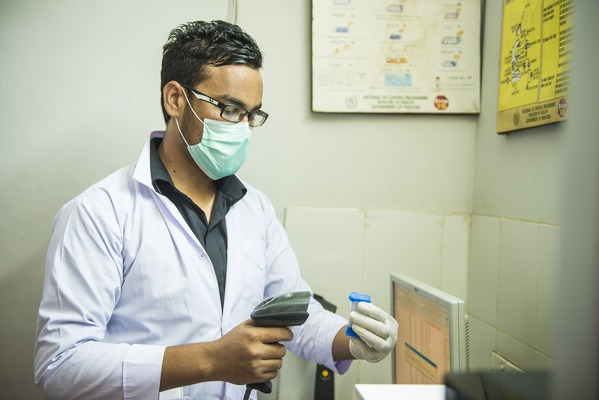
Rapid Molecular Diagnostics at Scale
High-volume Xpert testing integrated into routine hospital workflows.
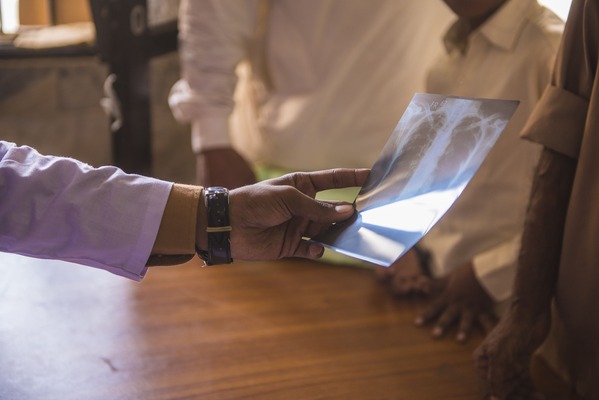
Data-Driven Monitoring
Robust M&E framework tracking additionality, case-notifications, and MDR trends.
Public–Private Collaboration
Engagement of private providers within standardized national algorithms.
Financial Sustainability Innovation
Revenue-generating social business model supporting operational resilience.
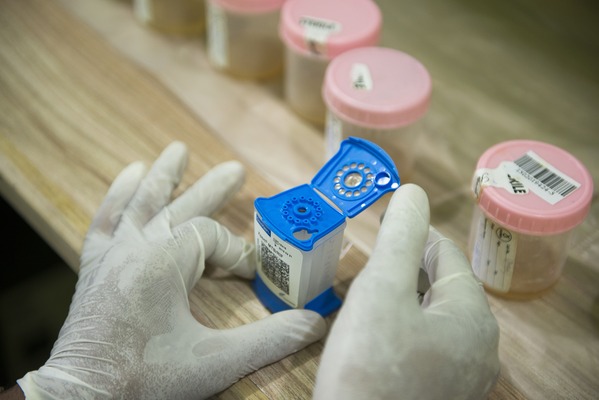
Policy Influence
Contributed to adoption of universal DST algorithm by the National TB Program.
MDR-TB Focus
Early identification and referral of rifampicin-resistant cases to PMDT sites.