 Work for IRD
 Contact us


Overview
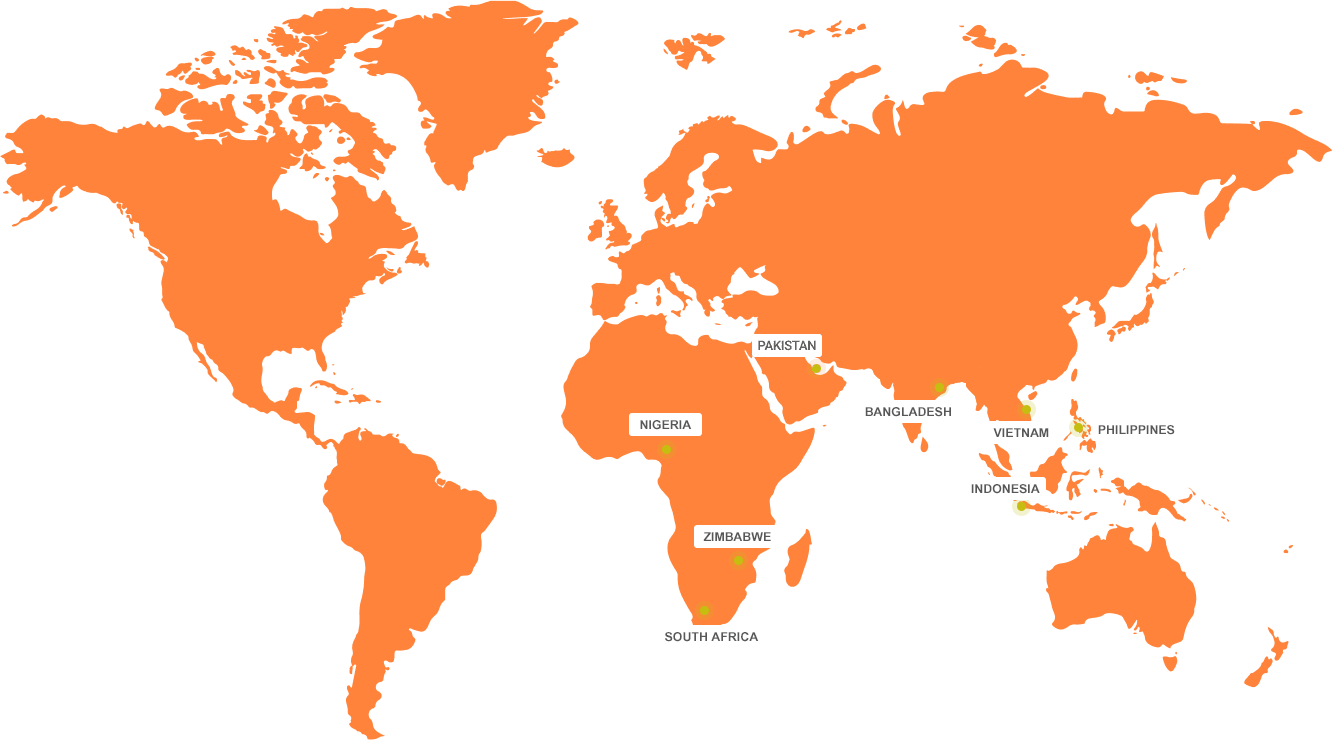
The endTB Project was a global partnership accelerating access to new and repurposed medicines for rifampicin-resistant and multidrug-resistant tuberculosis (RR/MDR-TB). Launched in 2015, the initiative expanded the use of bedaquiline, delamanid, clofazimine, and linezolid, while generating high-quality evidence through an observational study and two randomized clinical trials. IRD contributed to implementation, trial operations, patient-centred support, and community engagement, with significant roles across multiple countries including Pakistan. Together, the partnership delivered safer, shorter, all-oral treatment options that transformed outcomes for people living with drug-resistant TB. The endTB Project spanned 17 countries across four continents. IRD implemented the endTB observational study in Bangladesh, Indonesia, Pakistan, South Africa, and Vietnam, and implemented the endTB and endTB-Q Clinical Trials at one public and one private sector site in Pakistan.

2,804
participants enrolled in the global study

2,070
participants received bedaquiline

1,176
participants received delamanid

750
participants enrolled in the clinical trial
Our Partners
- The initiative was delivered through a global partnership between Partners In Health (PIH)
- Médecins Sans Frontières (MSF) and Interactive Research & Development (IRD), with UNITAID as the main financial partner.
- At the national level, IRD collaborated with national and provincial TB programs, mainly the Communicable Disease Control (CDC) Sindh as well as ethics committees and regulatory authorities, clinical research sites, and community-based organizations.
The Need
The Need
Drug-resistant TB remains a major global health challenge
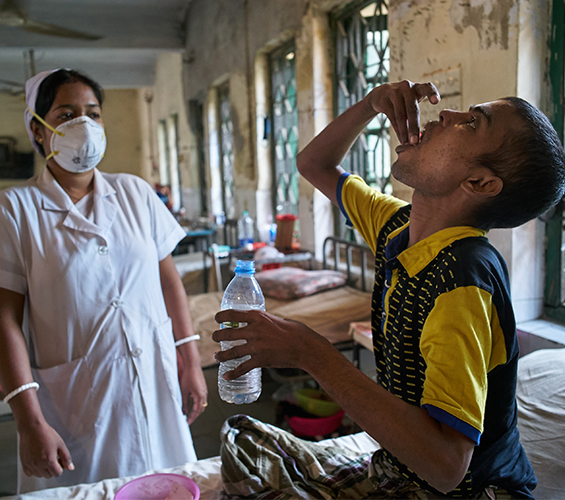
Drug-resistant TB remains a major global health challenge. Each year, nearly 500,000 new cases of rifampicin-resistant and multidrug-resistant TB (RR/MDR-TB) emerge, yet in the previous five years only 31% of cases were treated and fewer than 15% cured. Standard treatment regimens lasted 18–24 months, included thousands of pills, sometimes required painful daily injections, and caused frequent side effects, undermining adherence and contributing to ongoing transmission. For decades, countries faced limited access to effective alternatives, with no new TB drugs developed for nearly 50 years. The endTB Project was established to close this gap by expanding access to new medicines and generating robust clinical evidence to improve care for people with RR/MDR-TB worldwide.
Our Approach: Delivery
The endTB Project combined evidence generation, programmatic support, and community engagement to advance better RR/MDR-TB treatment.
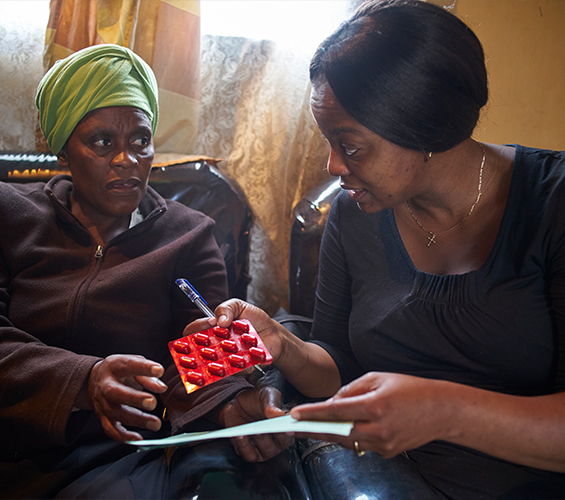
- Expanding access to new drugs: The project introduced bedaquiline and delamanid across multiple countries, ensuring safe and equitable access for RR/MDR-TB patients.
- Evidence generation through research:
- The endTB Observational Study enrolled 2,804 participants in 17 countries, including 743 enrolled by IRD, and was completed in 2019.
- The endTB Clinical Trial (fluoroquinolone-susceptible RR/MDR-TB) enrolled 750 participants across seven countries, and was completed in 2023.
- The endTB-Q Clinical Trial (fluoroquinolone-resistant RR/MDR-TB) enrolled 324 participants in six countries, and was completed in 2024.
- Patient-centred delivery: IRD ensured continuity of care during major disruptions such as COVID-19 and Pakistan’s devastating 2022 floods, providing remote follow-up, medicine delivery, and psychosocial support.
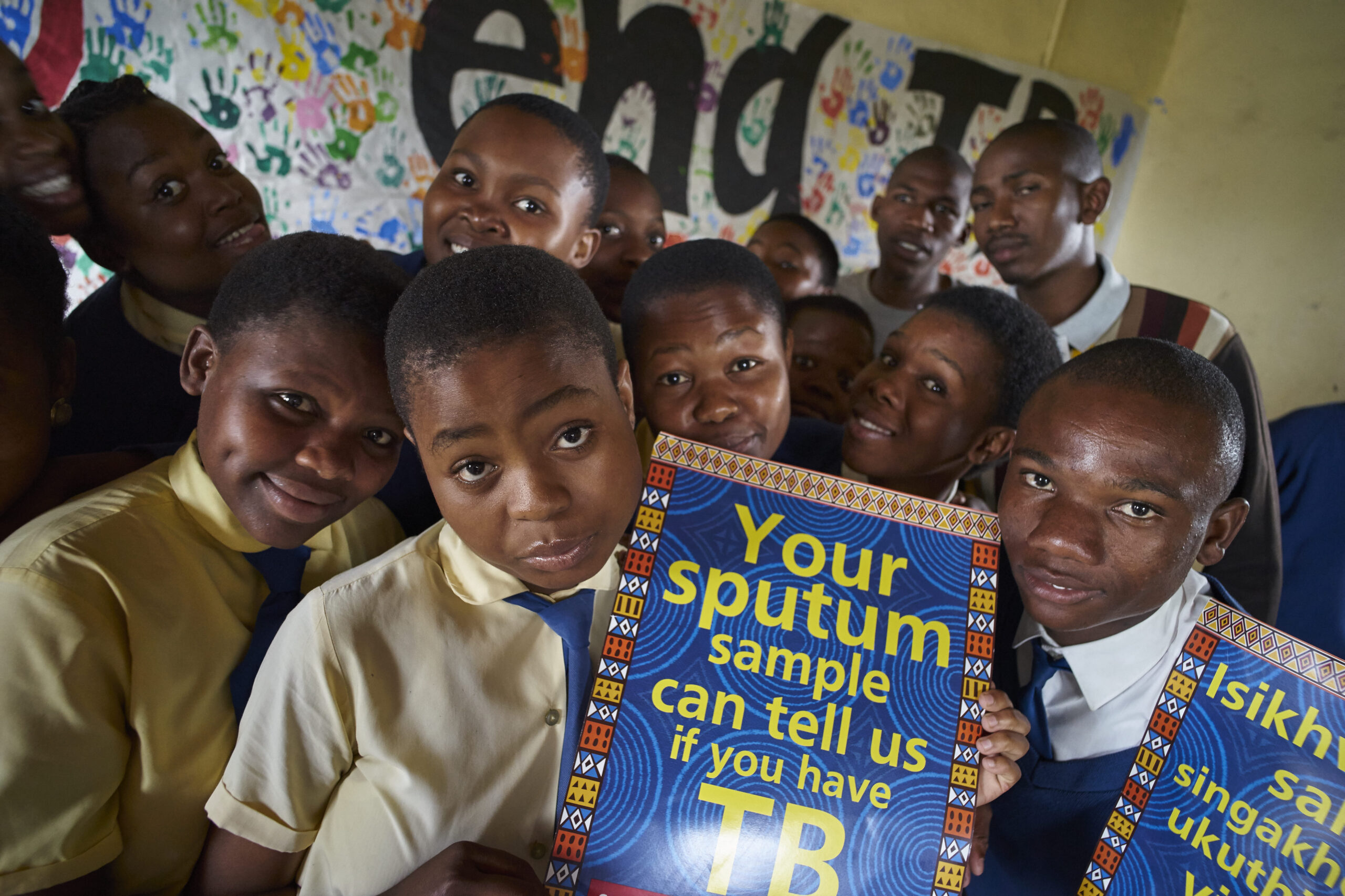
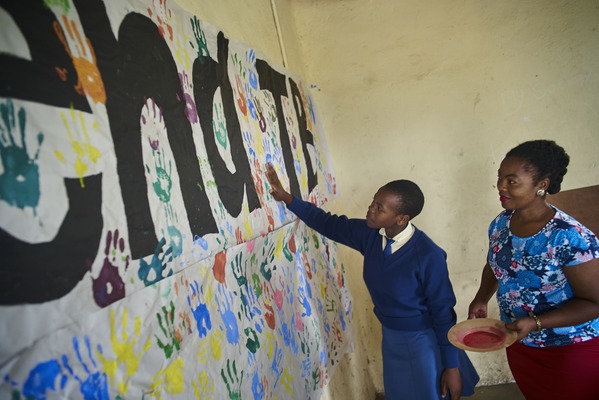
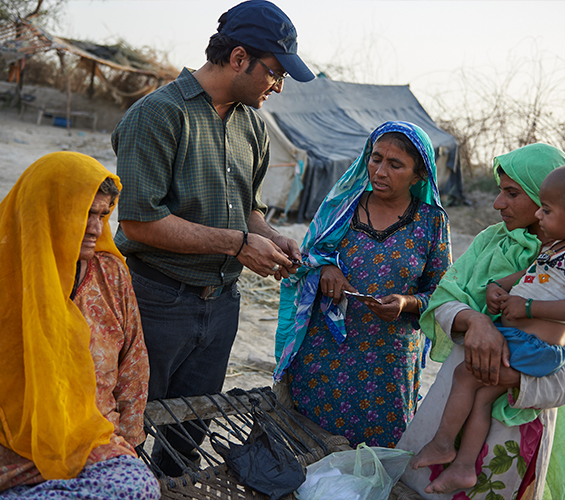
- Community engagement: IRD established and supported three Community Action Groups (CAGs) comprising 40 trained members who conducted awareness, advocacy, and patient support activities in urban and peri-urban communities affected by TB.
Our partners
PDI has a nationwide footprint, focusing on districts identified by the national STH survey— 47 at-risk districts requiring annual deworming.
The Drivers Behind Our Impact
The Drivers Behind Our Impact
Evidence-driven and adaptive
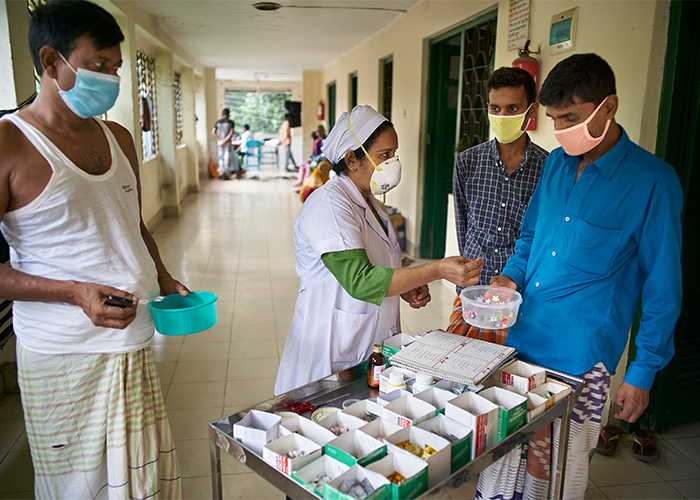
Insights from the observational study and clinical trials informed global RR/MDR-TB policies and country-level practice.
Strong partnership model
Scientific leadership, operational expertise, and health systems support were integrated across PIH, MSF, IRD, and UNITAID.
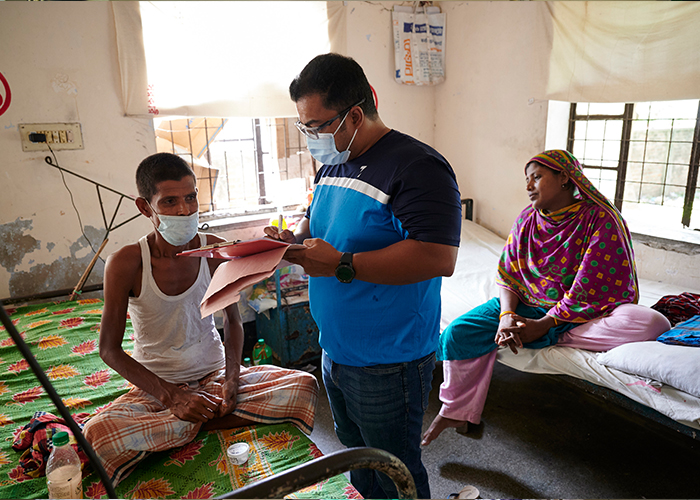
Patient-centred systems
Telehealth, psychosocial support, and flexible follow-up models maintained continuity of care even during COVID-19, and climate and infrastructure disruptions.
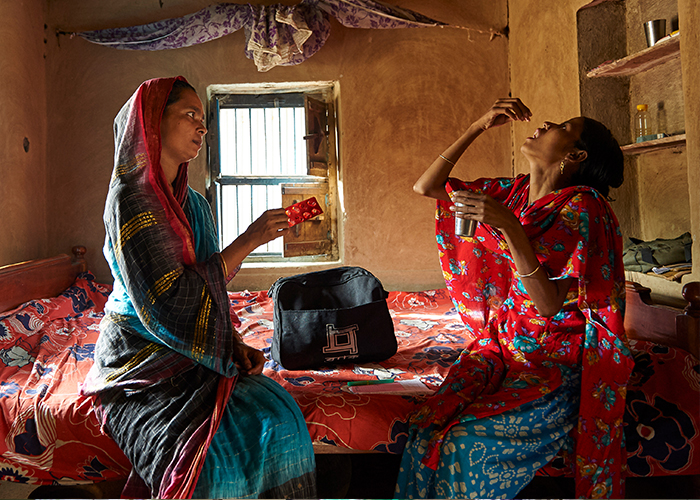
Community ownership
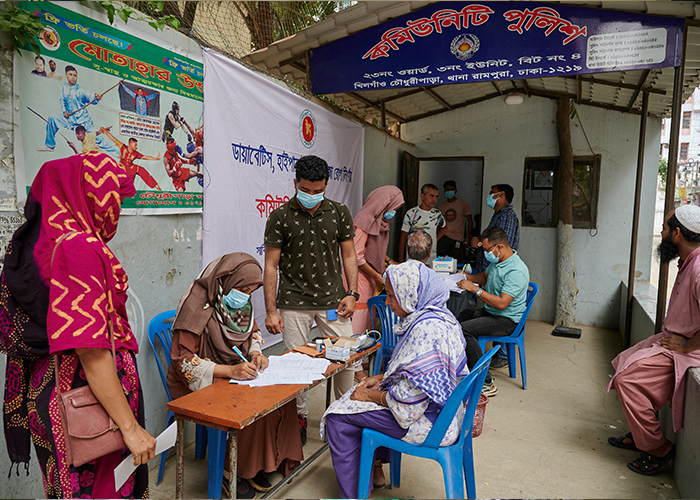
Community Action Groups (CAGs) strengthened awareness, reduced stigma, and supported individuals affected by TB in trial catchment areas.
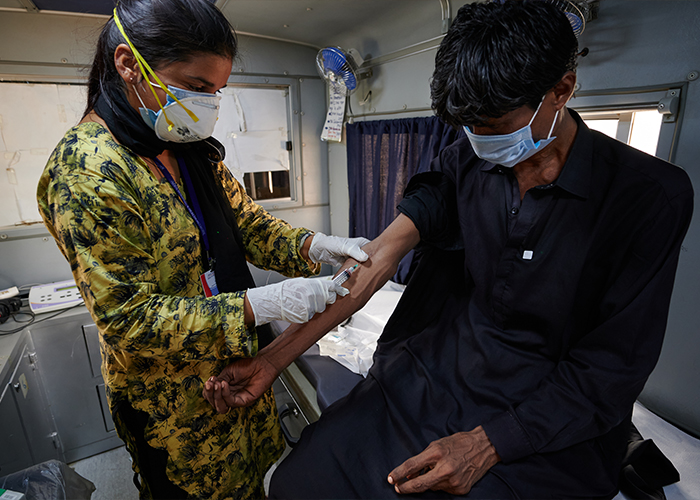
Operational resilience
Teams rapidly adapted to environmental shocks—such as the 2022 floods in Pakistan—ensuring uninterrupted treatment and patient safety.