 work for IRD
 contact us

Overview
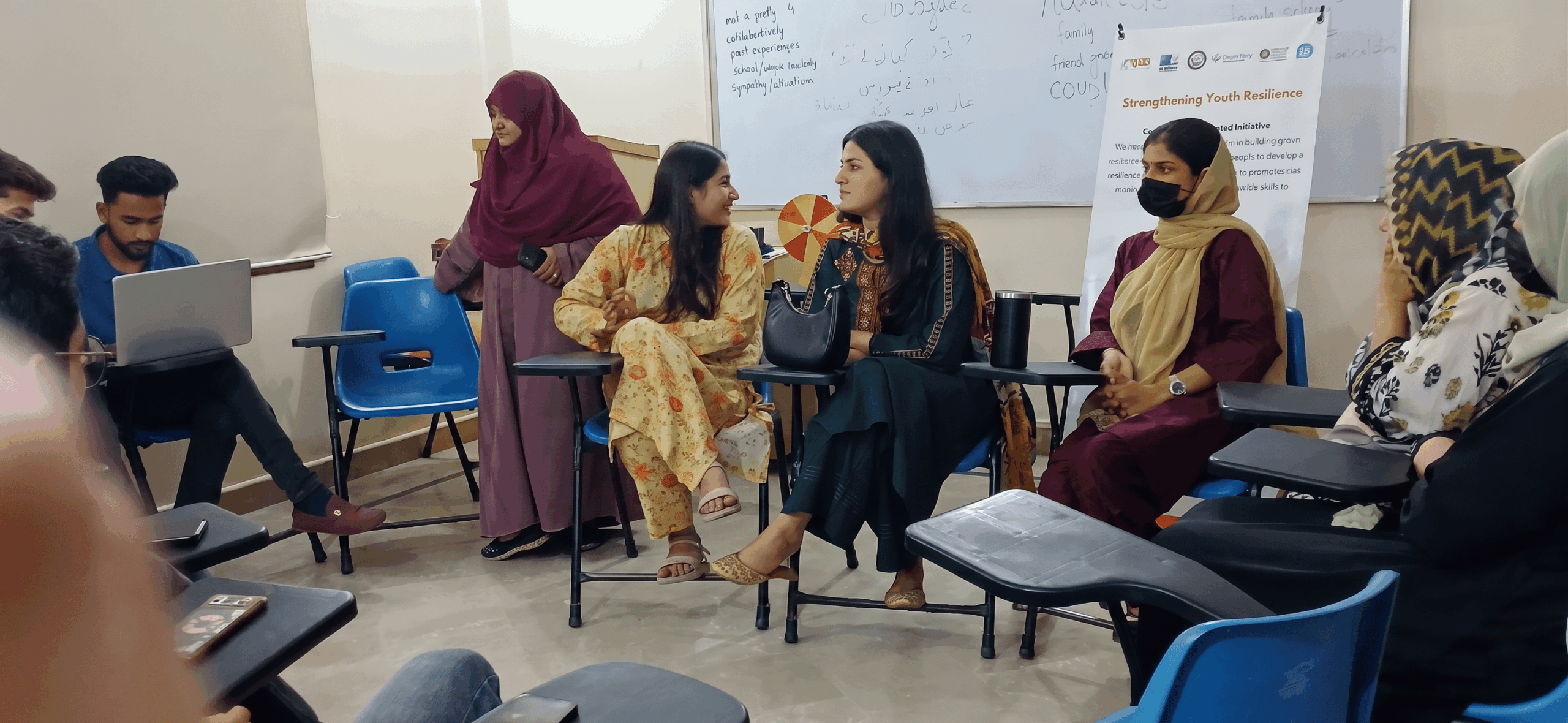
The Youth Resilience Program strengthens mental health and wellbeing among young people in educational and vocational institutions across Karachi. The initiative empowers students and faculty with the knowledge, skills, and confidence to promote self-care, emotional regulation, and mutual support through evidence-based training, arts-based engagement, and peer-led wellbeing initiatives.
As part of the Resilient Futures Pakistan Initiative (RFPI), this program leverages over a decade of IRD’s experience in delivering culturally grounded, scalable, and community-based mental health interventions.

41.5
Treatments delivered

214K+
Teachers and health workers engaged

2500+
Government officials engaged

201K+
Schools and health facilities involved
$0.32
Cost per child(2022)
Our partners
- Interactive Research and Development (IRD) Pakistan
- Muhammad Ali Jinnah University
- Iqra University
- Ziauddin Nursing School
- Rana Liaqat Community Center
- Government polytechnic institute Saudabad
- Government monotechnic institute Saudabad
- Government institute of business and commercial Saudabad
The Need
The Need
Mental health challenges
Mental health challenges account for 16% of the global burden of disease among young people aged 10–19, with depression among the leading causes of illness and disability. In Pakistan, 64% of the population is under 30, yet few have access to quality mental health support or psychosocial education.
Adolescence and early adulthood
Adolescence and early adulthood are critical periods when most lifetime mental health concerns first appear. Educational settings — where young people spend much of their time — offer an ideal platform for prevention, early intervention, and resilience-building. By equipping students and educators with coping tools, communication skills, and awareness, mental health programs can foster healthier, more supportive learning environments while reducing stigma and promoting help-seeking behaviors.
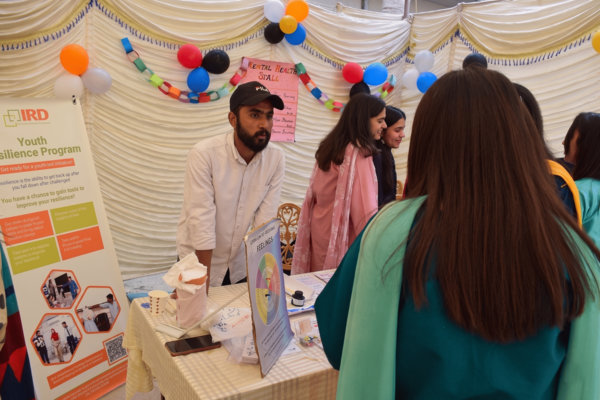
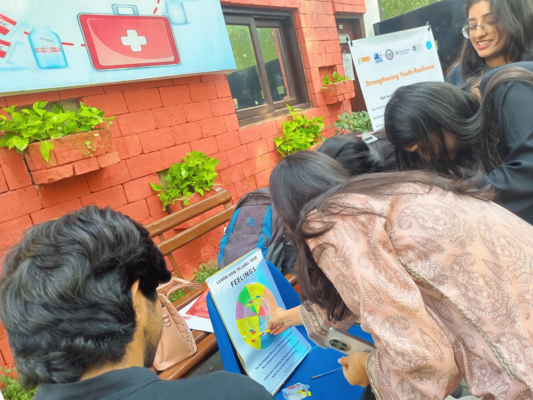
Our Approach: Delivery
The Youth Resilience Program combines training, participatory arts, and support groups to create sustainable systems of care within educational institutions. It works through three key pathways:
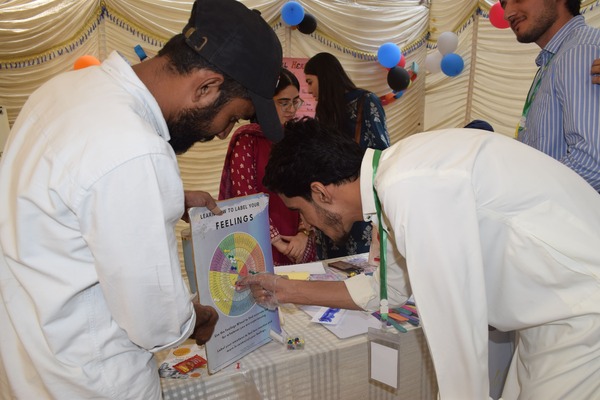
- Capacity Building: Training faculty and students on the Youth Resilience Toolkit and Psychological First Aid (PFA) to promote mental health awareness and strengthen peer support systems.
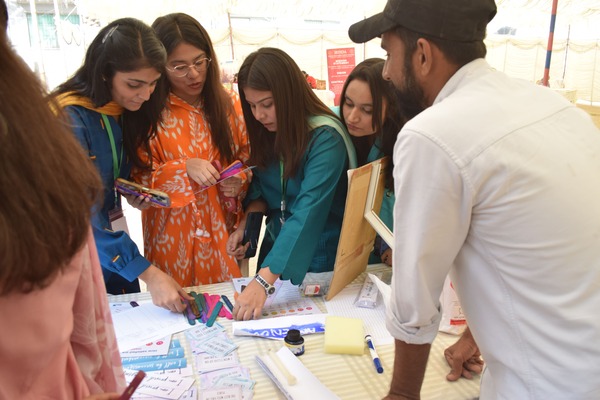
- Arts-Based Engagement: Using creative methods such as the Theatre of the Oppressed to encourage dialogue on stress, peer pressure, relationships, and social issues affecting youth.
- Support and Counselling: Offering group-based and individual counselling led by trained psychologists and lay counsellors to address emotional challenges and promote positive coping.
The program is implemented by a dedicated team of 1 counselor, 1 theatre expert, 2 mobilizers, and 2 trainers/clinical psychologists, reaching youth aged 16–24 across 8 institutions in Karachi.
Impact Data
Program Duration: July 2025 – December 2025
Training and Capacity Building
- Faculty
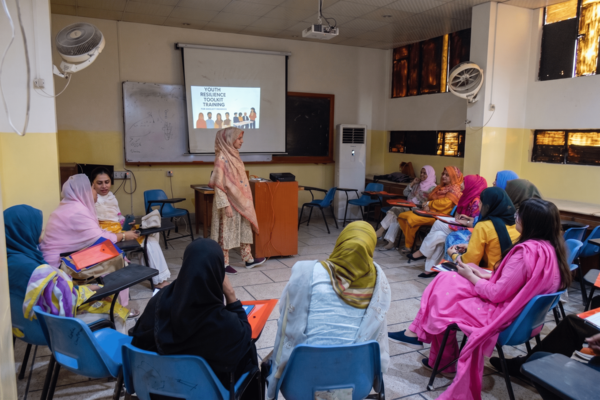
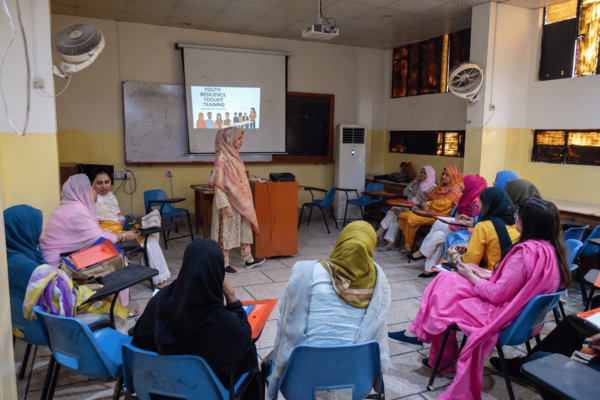
- Youth Resilience Toolkit Training: 144 faculty members trained (3.5 hours each) across 5 institutes.
- Psychological First Aid (PFA): 6-hour sessions planned; 20 participants per training.
- Students:
- Toolkit Training: 291 students trained (4.5 hours each) across 3 institutes.
- PFA Training: 31 students trained so far at one site.
- SALT Workshops: 3 workshops held for needs assessment and arts-based mobilization with 11 participants from 4 institutions.
Peer Support & Arts-Based Engagement
- Support Groups: 5 thematic peer groups planned, addressing stress, bullying, relationships, overthinking, and addiction (10 students per group).
- Theatre of the Oppressed Workshops: 3 sessions (2.5 hours each); 2 sessions completed at MAJU with 15 participants.
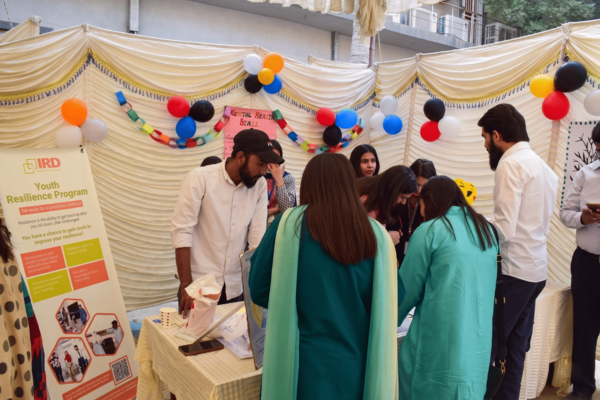
- Arts-Based Mobilization: 3 sessions conducted, engaging 158 students in creative awareness activities integrated into campus events.
Monitoring & Evaluation
Pre- and post-assessments are conducted for all toolkit and PFA trainings to track knowledge, attitude, and practice improvements across physical and mental health domains.
Our partners
PDI has a nationwide footprint, focusing on districts identified by the national STH survey— 47 at-risk districts requiring annual deworming.
The Drivers Behind Our Impact
The Drivers Behind Our Impact
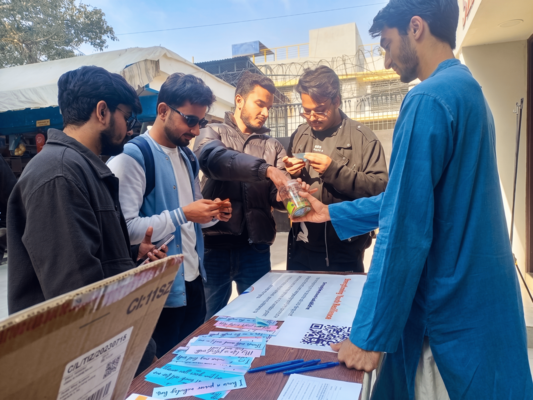
Early Prevention
Targeting youth aged 16–24 for early identification and intervention on mental health concerns.
Evidence-Based Training
Integrating WHO-endorsed frameworks like Psychological First Aid into institutional wellbeing systems.
Arts for Advocacy
Using creative storytelling and performance to reduce stigma and promote open dialogue.
Sustainable Systems
Building institutional capacity to support youth mental health beyond the project lifecycle.