 Work for IRD
 Contact us


Overview
IRD supported the Government of Sindh to implement Pakistan’s first large-scale Human Papillomavirus (HPV) vaccination campaign — a critical step in preventing cervical cancer among adolescent girls. As the technical partner, IRD enabled digital planning, real-time monitoring and field operations using the Zindagi Mehfooz Electronic Immunisation Registry (ZM-EIR). The programme strengthened system readiness ahead of the campaign and ensured coordinated execution across all districts during rollout. The HPV vaccination campaign covered all 30 districts of Sindh Province, with Mobile Immunisation Vans operating in 9 districts and vaccination delivered through schools, outreach centres, and community vaccination sites.

41.5
Treatments delivered

214K+
Teachers and health workers engaged

2500+
Government officials engaged

201K+
Schools and health facilities involved

$0.32
Cost per child(2022)
Our Partners
- Expanded Programme on Immunisation (EPI) Sindh
- Government of Sindh – Departments of Health and Education
- District Health Offices
- Zindagi Mehfooz (EIR platform)
The Need
The Need
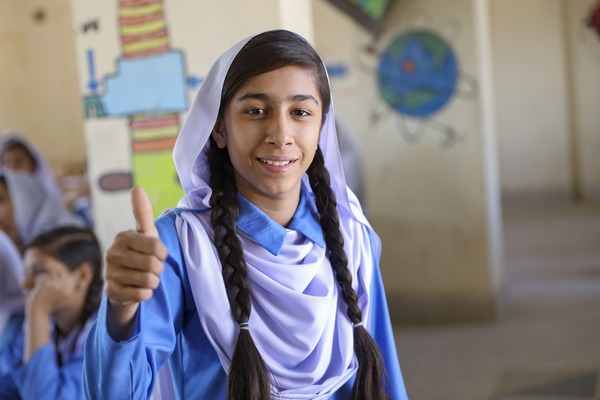
Cervical cancer is the second most common cancer among women in Pakistan, caused primarily by persistent HPV infection.
Pakistan is among the world’s top ten STH-burdened countries. STH infections can lead to anaemia, malnutrition and diminished concentration, undermining children’s health, educational outcomes and long-term productivity.
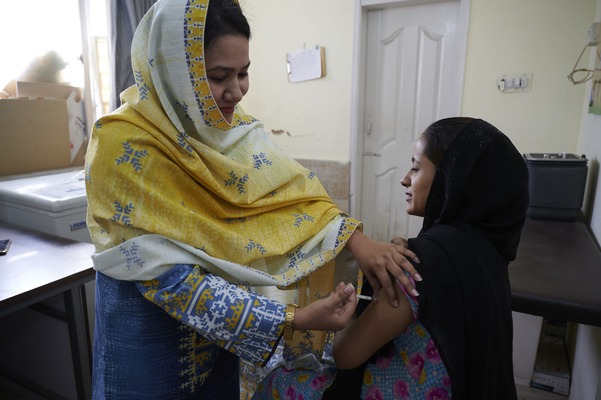
Most cases are preventable through HPV vaccination before exposure, yet Pakistan has faced limited coverage due to lack of systems, awareness and accessibility.
The first nationwide STH prevalence survey (2016) conducted by Evidence Action, WHO, IRD & IHN and the Government of Pakistan showed that roughly 17 million school-age children in 47 at‑risk districts require deworming once annually.
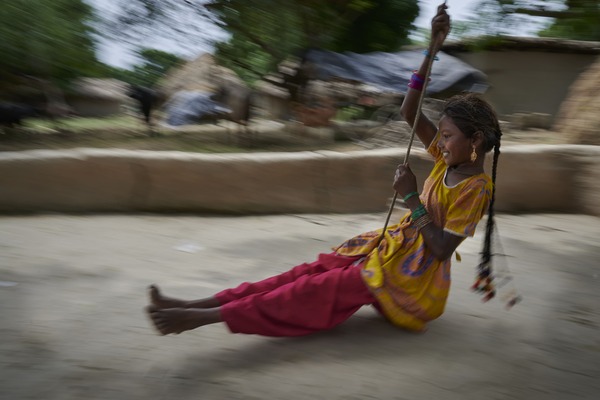
To ensure girls in both urban and underserved communities are protected, immunisation efforts must be digitally enabled, well-coordinated and equitable.
Out-of-school children, those in remote communities and pupils in schools lacking adequate water, sanitation and hygiene (WASH) facilities are particularly vulnerable. Without organised deworming, intestinal worms can perpetuate cycles of poverty, anaemia and undernutrition.
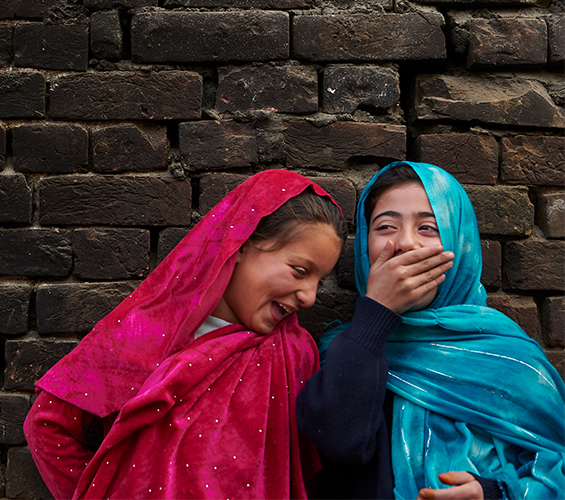
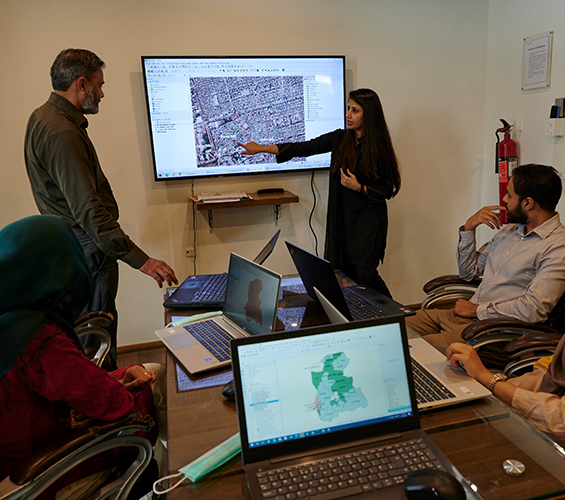
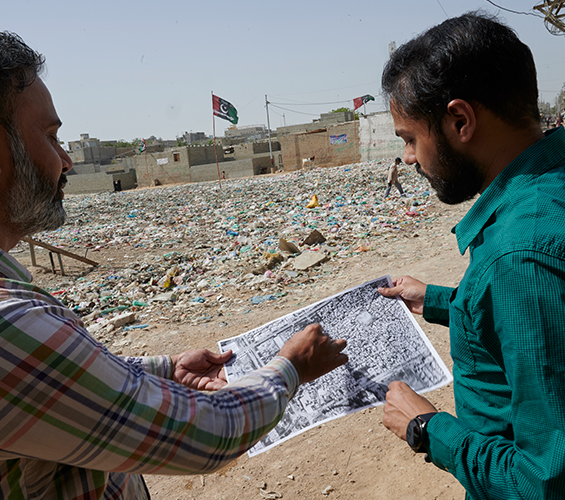
Our Approach: Pilot- Technical Assistance - Delivery
1. Pre-Campaign Support
IRD focused on ensuring the campaign was digitally prepared, workforce-ready and operationally aligned:
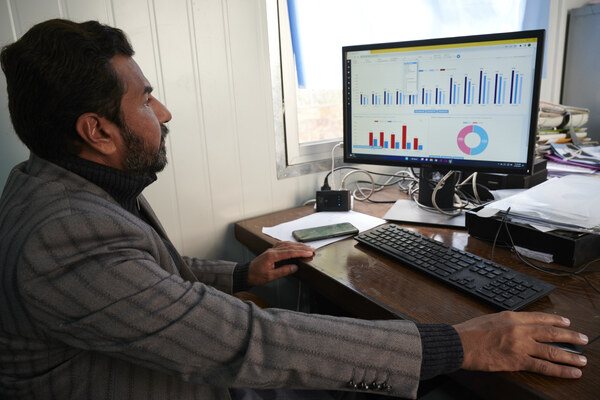
- Digital Integration: Developed and embedded a dedicated HPV module and live dashboard into ZM-EIR for vaccine tracking, coverage analytics and real-time performance monitoring.
- System Readiness: Updated the ZM application across vaccinators’ devices and ensured offline functionality for remote areas.
- Workforce Mapping: Verified existing vaccinators, registered temporary Lady Health Workers and issued secure digital logins.
- Training & Capacity Building:
- Conducted hands-on trainings in all 30 districts through District Field Coordinators.
- Trained vaccinators, supervisors and district focal persons on HPV data entry, dashboard use and troubleshooting.
- Government Coordination: Worked with EPI Sindh and district authorities to align operational plans and ensure approvals and logistics were in place.
2. Intra-Campaign Support
Once the campaign began, IRD provided real-time technical and operational support across districts:
- Daily Digital Monitoring: Participated in daily review meetings at district level to track coverage, resolve bottlenecks and adjust plans.
- Live Dashboards: Team-wise targets were tracked continuously in ZM-EIR, giving provincial and district teams visibility of progress.
- Mobile Immunisation Vans (MIVs): Deployed 9 vans in high-risk districts including Karachi Central, East, West, Malir, Keamari, Hyderabad, Jacobabad, Kambar and Sujawal to reach underserved and high-mobility populations.
- On-ground Supervision: Field teams conducted site visits to schools, outreach and fixed centres to ensure accurate vaccination reporting and adherence to protocols.
- Data Quality Assurance: Daily verification of records to prevent duplication and ensure accurate dose reporting, validated by District Field Coordinators.
- Technical Support Line: A dedicated hotline between EPI and IRD’s digital team to resolve app and data-sync issues rapidly.
Our Reach
- All 30 districts of Sindh Province
- Mobile Immunisation Vans in 9 districts
- Schools, outreach centres and community vaccination sites
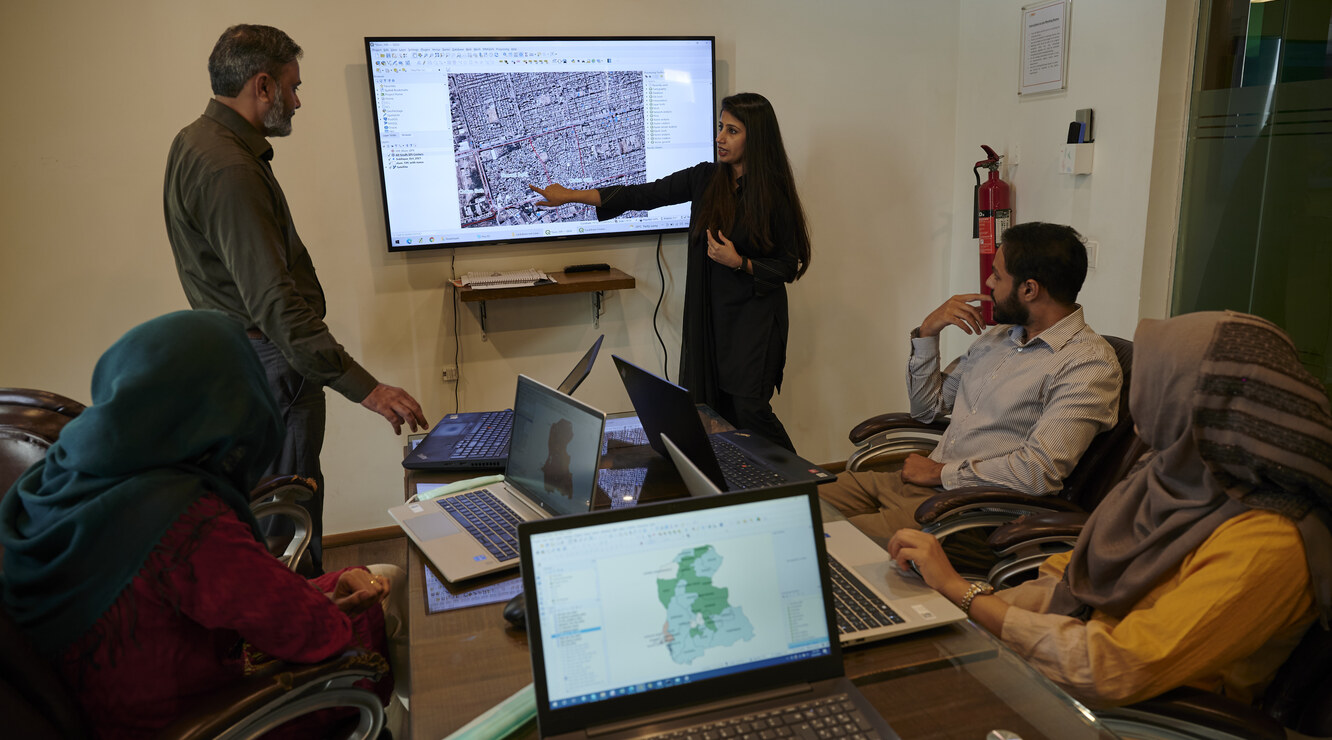
The Drivers Behind Our Impact
The Drivers Behind Our Impact
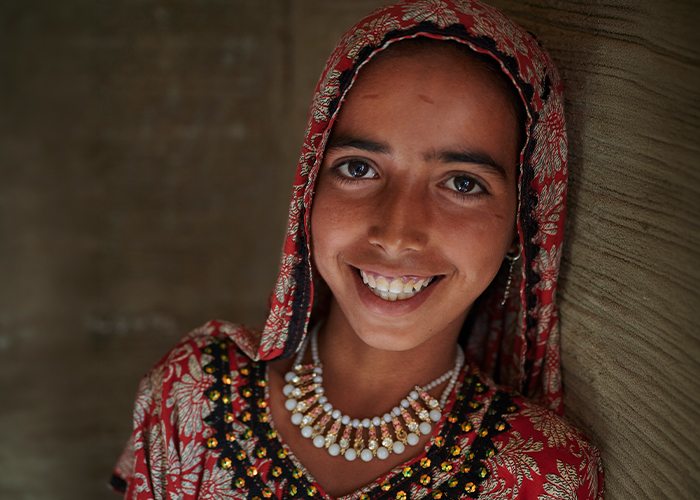
Digitally driven
First HPV campaign in Pakistan integrated into a national immunisation registry (ZM-EIR) for real-time monitoring.
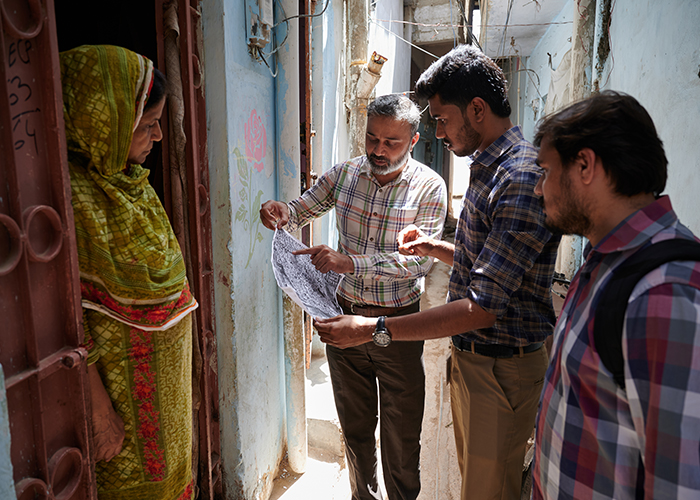
Evidence-based tracking
Live dashboards enabled data-driven decisions every day of the campaign.
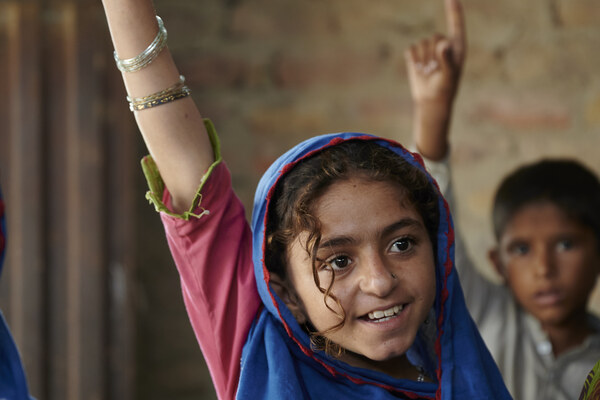
Equity in delivery
Mobile vans ensured girls in informal settlements and distant communities were not left behind.
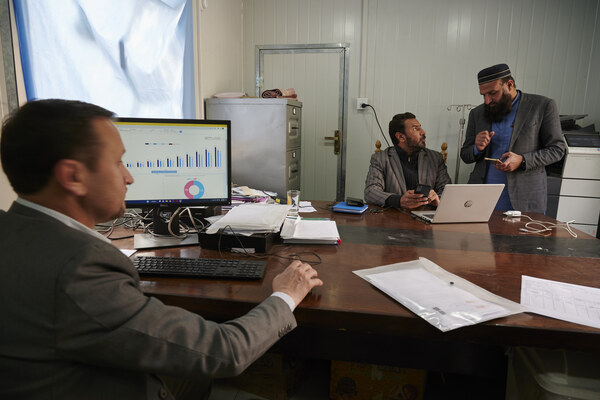
Strong government ownership
Implemented under provincial leadership with IRD as a technical partner.
Scalable system
The HPV module now exists within ZM-EIR and can support future cervical cancer prevention efforts nationally.