 Work for IRD
 Contact us



Overview
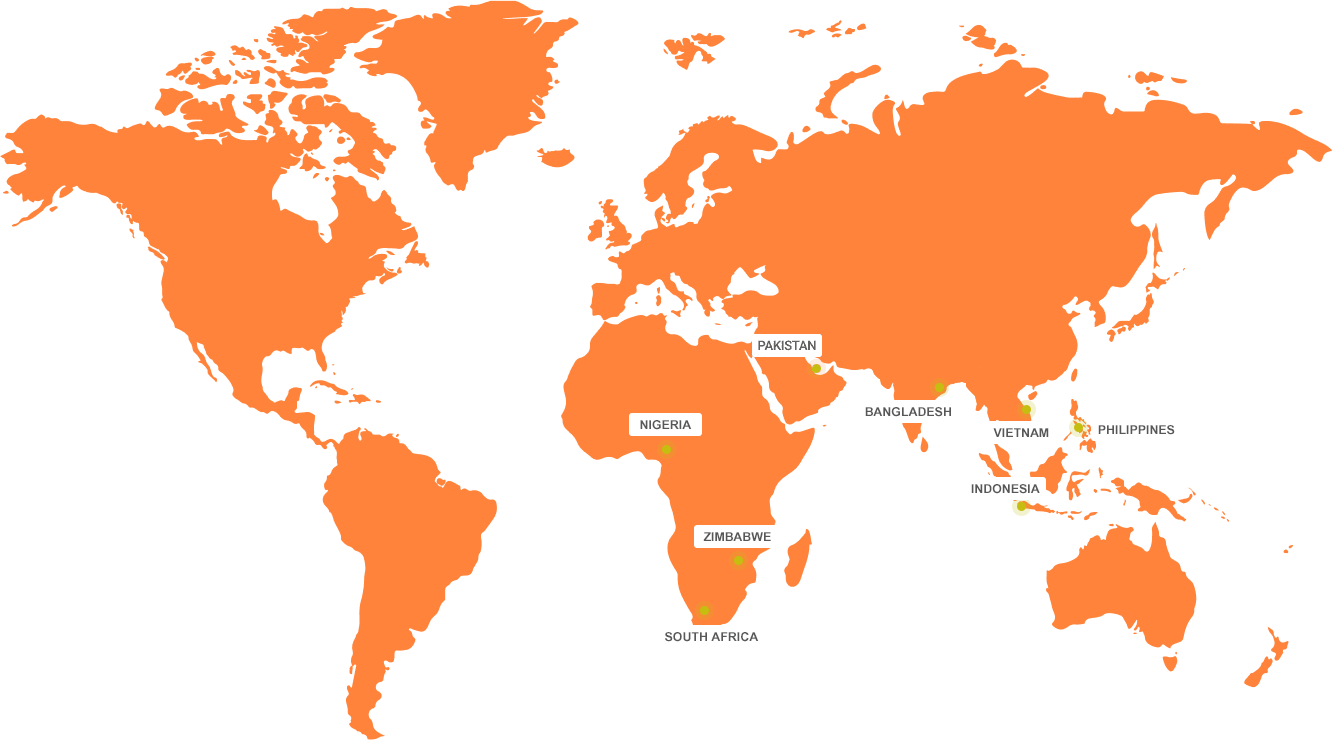
IRD Global integrates mental health screening and support into tuberculosis (TB) and non-communicable disease (NCD) programmes to improve treatment adherence, patient wellbeing and health outcomes in low-resource settings. Implemented in partnership with the Foundation for Innovative New Diagnostics (FIND), the programme was delivered between October 2022 and December 2023 across Bangladesh and the Philippines.
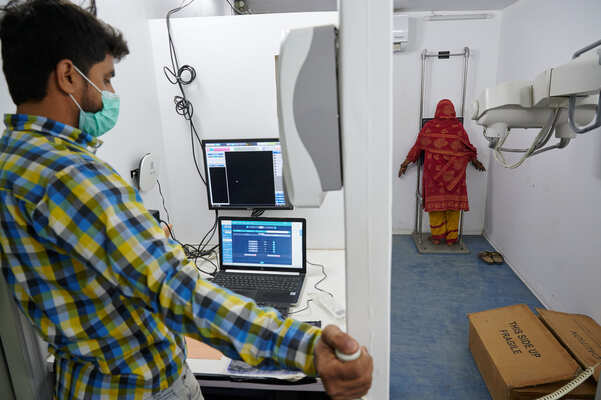
Through a task-shifting model, IRD strengthened frontline health systems by enabling non-specialist providers to identify and address anxiety and depression alongside routine TB and NCD care. The programme generated critical evidence on how mental health integration can be delivered effectively — and how implementation must adapt to local health system capacity and sociocultural context. The programme was delivered in Dhaka, Bangladesh, and Manila, Philippines, providing integrated screening for TB, diabetes, and hypertension alongside mental health counselling. Across programme sites, more than 18,000 people were screened for anxiety and depression, demonstrating the feasibility of integrating mental health screening into TB and NCD platforms.

22,000+
individuals screened for mental health concerns

1,400+
individuals enrolled for lay counselling

580
individuals completed counselling

6%
prevalence of symptomatic cases identified among healthcare site visitors

65%
counselling completion rate among enrolled participants
Our Partners
Implementation Partner
- IRD Global Limited — led programme research, design and delivery
Funding & Technical Partner
- Foundation for Innovative New Diagnostics (FIND) — provided USD 450,607.10 in implementation funding and ongoing technical feedback
Government & Health System Partners
- National and local TB and NCD programmes
- Public health facilities and referral systems
The Need
The Need

Mental health and chronic disease are inseparable
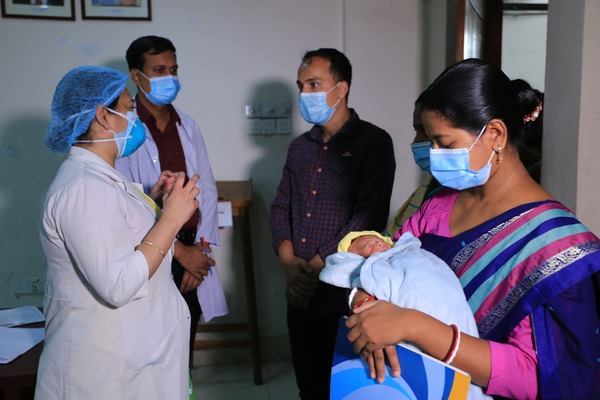
Mental health affects every aspect of human life, including physical health and quality of life. In low- and middle-income countries, anxiety and depression are common co-morbidities among people living with TB, diabetes and hypertension.
Untreated distress undermines care
When mental health needs go unaddressed, patients face higher risks of non-adherence, loss to follow-up and poorer health outcomes — particularly those managing multiple chronic conditions.

A persistent implementation gap
Despite strong global evidence and policy guidance supporting mental health integration into TB and NCD programmes, implementation remains limited in many high-burden settings due to workforce shortages, stigma and system constraints.


Our Approach: Delivery
Task-shifting for scalable integration
IRD applied a WHO-recommended task-shifting model, training lay and frontline health workers to deliver mental health screening — and counselling where feasible — within existing TB and NCD services.
Standardised screening and stepped care
Patients were screened for anxiety and depression using the PHQ-4. Individuals with elevated scores were offered counselling or referral pathways, with progress monitored using PHQ-9 and GAD-7 tools.
Context-adapted delivery models
Implementation protocols were adapted to local capacity and sociocultural realities, including hybrid counselling models and referral-based care aligned with routine disease treatment visits.
Impact
- Over 18,000 people screened for anxiety and depression across programme sites
- Demonstrated feasibility of integrating mental health screening into TB and NCD platforms
- High counselling uptake and completion in Bangladesh, supported by hybrid delivery and continuity of care
- Clinically meaningful reductions in depression and anxiety scores among clients completing counselling
- Evidence indicating three counselling sessions as a minimum threshold for therapeutic benefit
- Key learning on the importance of trust, privacy and timing of interventions for uptake
Our partners
PDI has a nationwide footprint, focusing on districts identified by the national STH survey— 47 at-risk districts requiring annual deworming.
The Drivers Behind Our Impact
The Drivers Behind Our Impact

Evidence-based integration
Programme design was grounded in global and country-level evidence demonstrating the effectiveness of mental health integration in TB and NCD care.

Task-shifting at scale
Training non-specialist health workers expanded access to mental health services in settings with limited specialist capacity.

Care aligned with patient journeys
Integrating mental health screening with routine TB and NCD services reduced barriers and improved continuity of care.
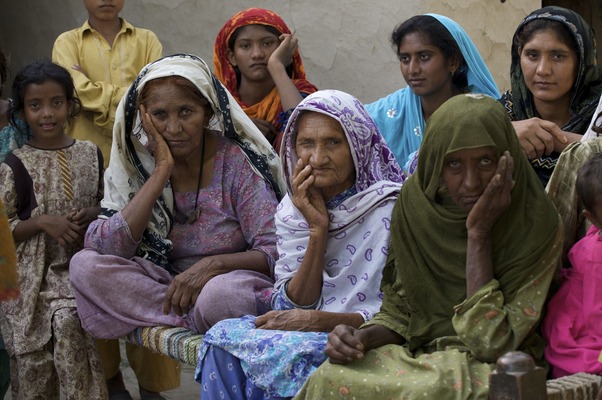
Adaptive, context-responsive design
Delivery models were tailored to local health system capacity, stigma dynamics and privacy considerations.
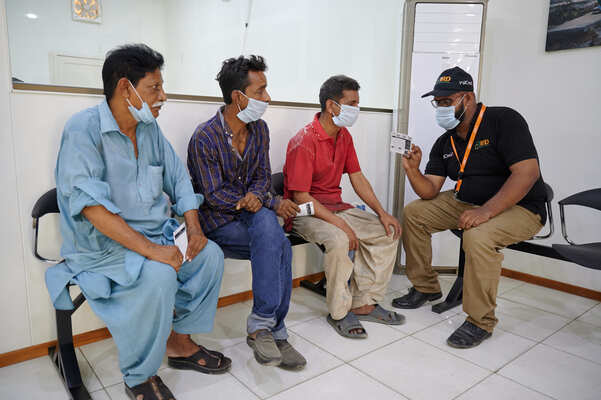
Learning for scale
Cross-country implementation generated actionable insights to inform future expansion and system-level integration of mental health services.