 Work for IRD
 Contact us


Overview
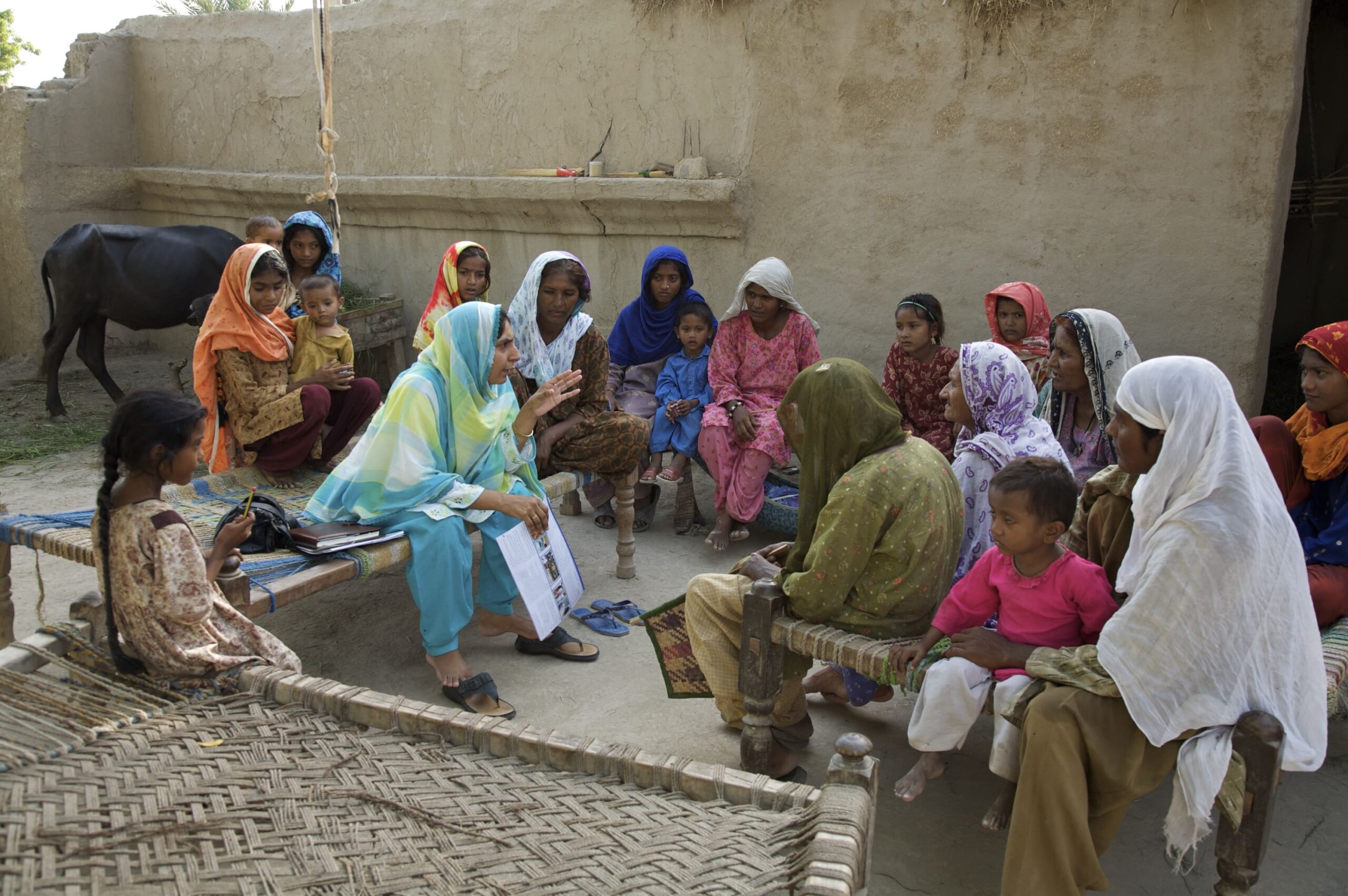
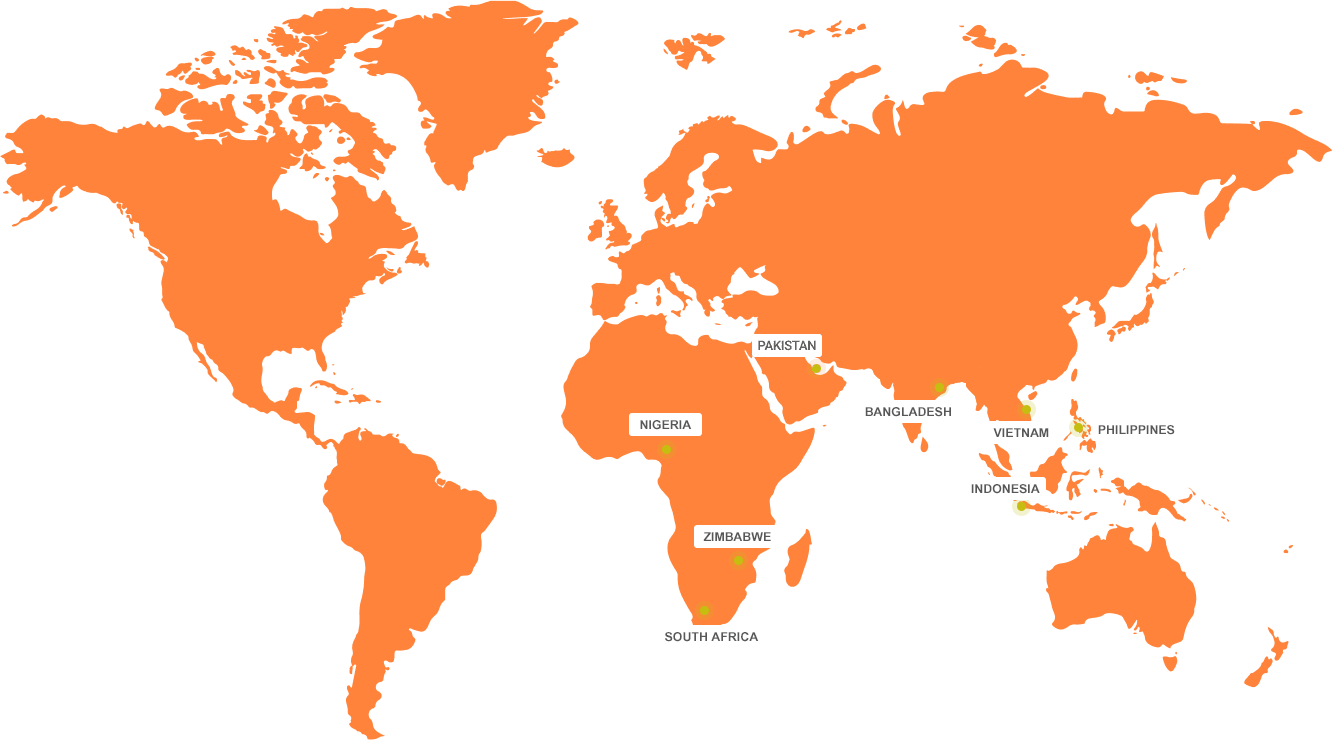
Development and piloting of a psychosocial intervention for caregivers of individuals with psychosis in Pakistan. This project adapts and tests a brief, lay counselor–delivered support groups to reduce caregiver distress, strengthen coping skills, and improve treatment outcomes for people with psychosis (PWP). The project was implemented at a public psychiatry facility in Karachi, Pakistan, leveraging local partnerships and community engagement to ensure interventions were culturally relevant and accessible. To date, 16 caregivers have participated across two pilot batches.

22,000+
individuals screened for mental health concerns

1,400+
individuals enrolled for lay counselling

580
individuals completed counselling

6%
prevalence of symptomatic cases identified among healthcare site visitors

65%
counselling completion rate among enrolled participants
Our Partners
- UCL Global Engagement Funds (GEF) – seed funding and project support.
- Lived Experience Advisory Panel (LEAP) – co-design and adaptation of intervention content.
- Local public psychiatry facility – implementation site and participant recruitment.
The Need
The Need
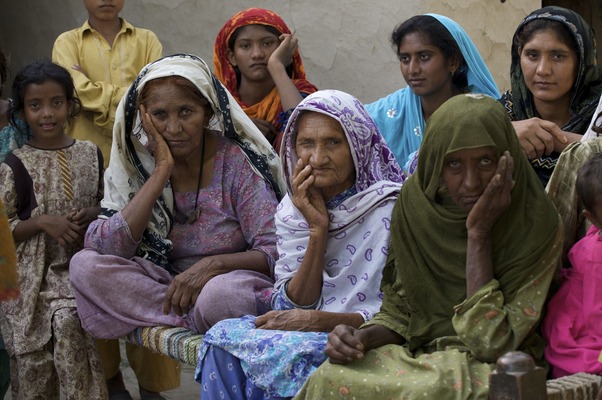
Caregivers of individuals with psychosis
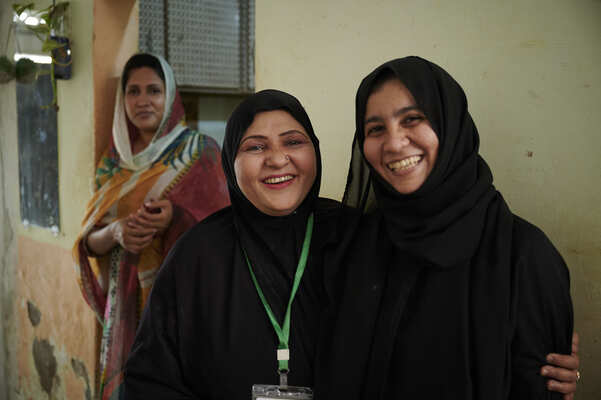
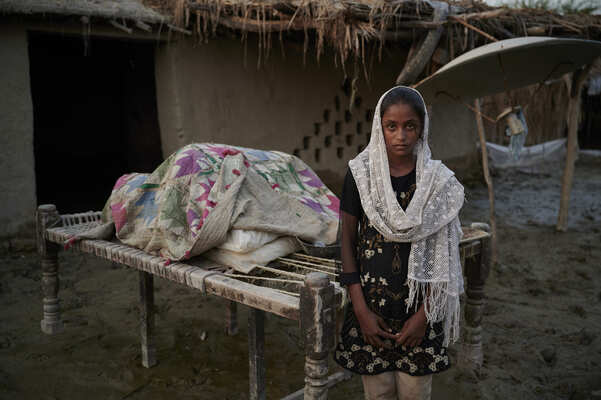
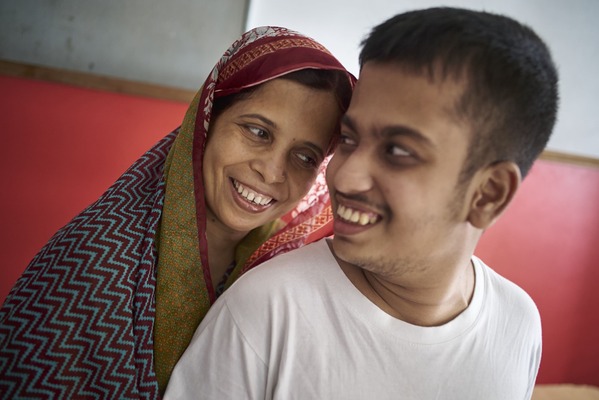
Caregivers of individuals with psychosis in low-resource settings face high stress, limited support, and minimal guidance, which can negatively impact both their wellbeing and the treatment outcomes of those they care for. Tailored, accessible interventions are critical to alleviate burden, enhance coping, and sustain effective care provision.

Our Approach: Delivery
- Co-creation with caregivers and service users: Two Lived Experience Advisory Panel (LEAP) meetings shaped session content to meet local needs.
- Support group sessions: Three batches of 10 caregivers attended six 90-minute sessions facilitated by a lay counselor under psychologist supervision at a public psychiatry facility in Karachi.
- Session components: Open discussions, psychoeducation, problem-solving, stress management, gratitude exercises, basic CBT skills, and referral guidance.
- Evaluation: Feasibility and acceptability assessed through Burden Assessment Scale (BAS), PHQ-9, GAD-7, and in-depth interviews with caregivers and lay counselors.

Impact
- 16 caregivers participated across two pilot batches, the 3rd batch is yet to be started in Feb.
- Intervention targeted reducing caregiver burden while supporting improved mental health outcomes for both caregivers and the individuals they support.
- Qualitative feedback from participants and lay counselors informs future adaptation, scalability, and sustainability.
Our partners
PDI has a nationwide footprint, focusing on districts identified by the national STH survey— 47 at-risk districts requiring annual deworming.
The Drivers Behind Our Impact
The Drivers Behind Our Impact
Participatory design
Active involvement of caregivers and service users ensured relevance and acceptability.
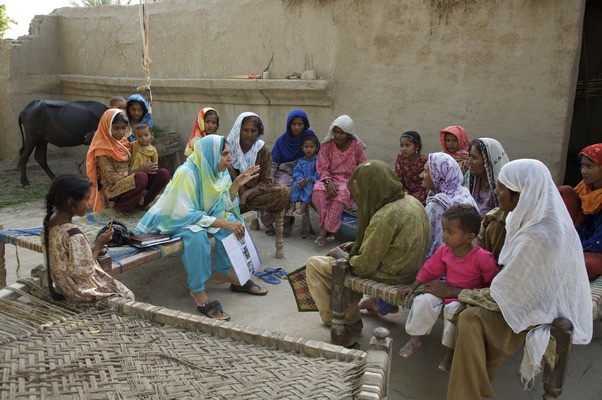
Lay counselor delivery
Builds sustainable, scalable models for low-resource settings.
Structured psychosocial support
Combines psychoeducation, problem-solving, stress management, and basic CBT for measurable outcomes.
Evidence-based evaluation
Uses validated tools (BAS, PHQ-9, GAD-7) and qualitative insights to inform feasibility and effectiveness.
Capacity building
Strengthens skills of lay counselors and promotes caregiver empowerment through guided sessions.