 Work for IRD
 Contact us


Overview
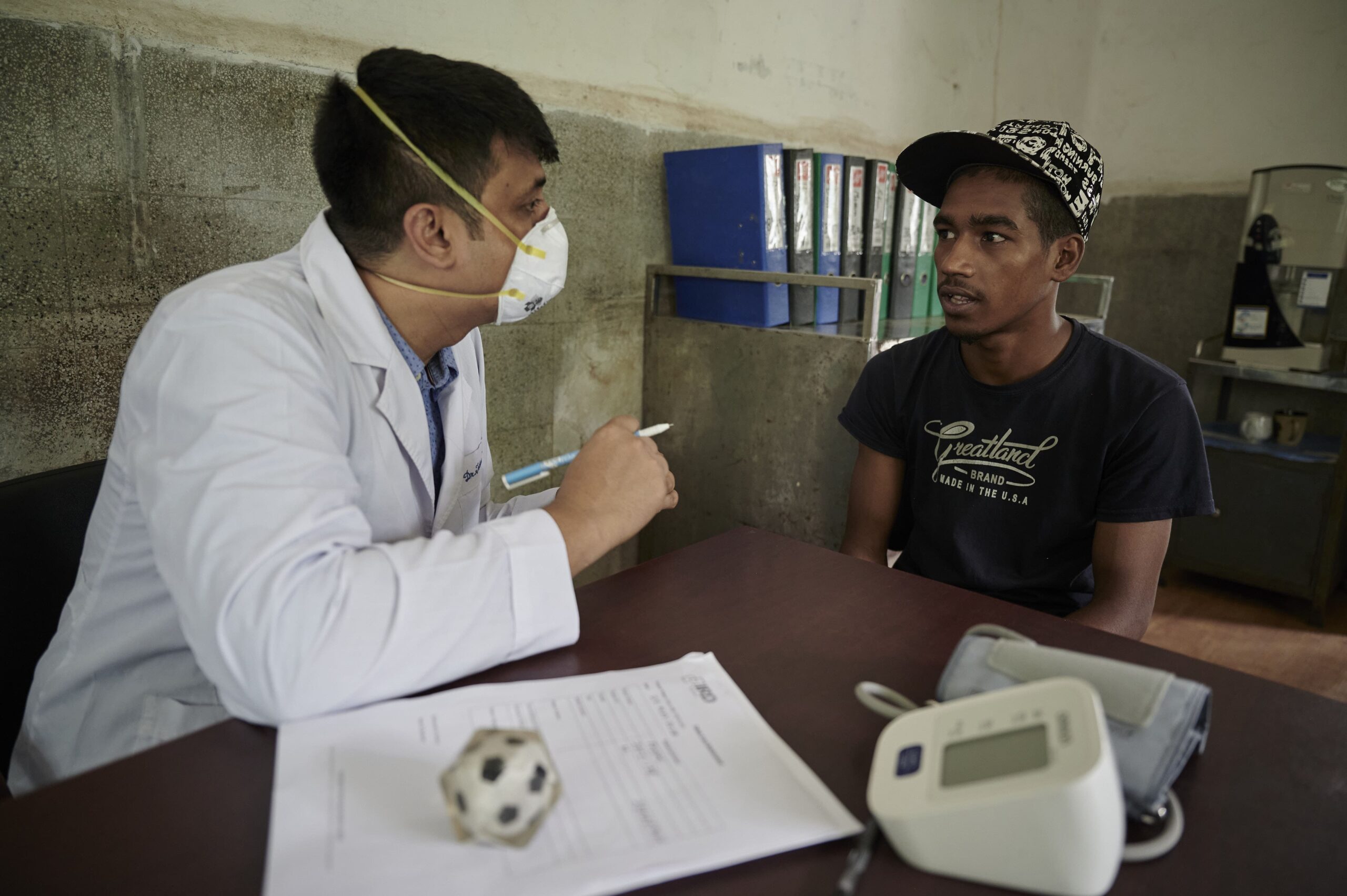
The Integrated Service Delivery (ISD) Program – TBR-10/Dastak unifies TB, COVID-19, hepatitis C, and mental health services in rural Sindh. By combining mobile clinics, tele-mental health support, AI-assisted screening, and community engagement, ISD improves access to diagnosis, treatment, and psychosocial care for vulnerable populations. The program addresses structural and socio-cultural barriers in under-resourced districts, ensuring that patients receive comprehensive, patient-centred care across multiple infectious diseases while reducing stigma and treatment non-compliance.

22,000+
individuals screened for mental health concerns

1,400+
individuals enrolled for lay counselling

580
individuals completed counselling

6%
prevalence of symptomatic cases identified among healthcare site visitors
65%
counselling completion rate among enrolled participants
Our partners
- UNOPS
- CDC
These partnerships provide technical guidance, capacity building, and operational support for integrated service delivery across multiple health areas.
The Need
The Need
High disease burden
TB incidence remains elevated, with COVID-19 and hepatitis C compounding public health challenges.
Mental health risks
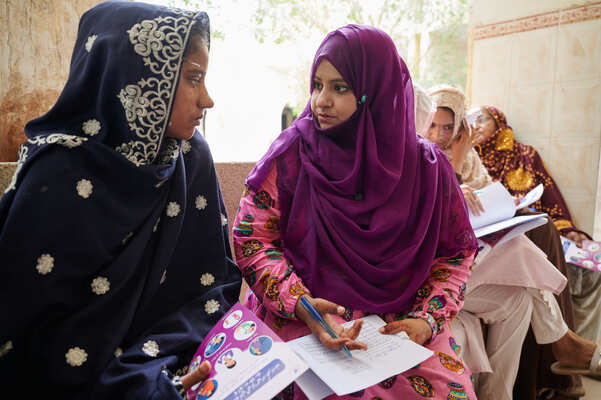
Vulnerable populations, especially women, are at increased risk of depression and anxiety due to illness, isolation, and stigma.
Access barriers
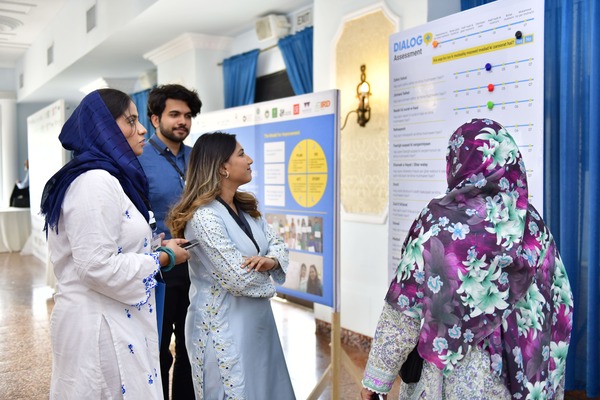
Distrust in public facilities, lack of accurate health information, and financial strain push patients toward costly private care.
Treatment gaps
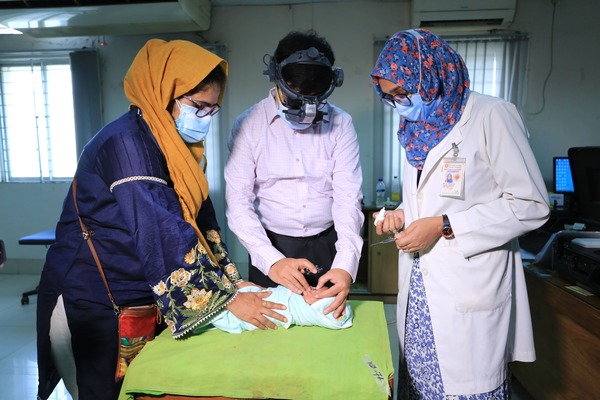
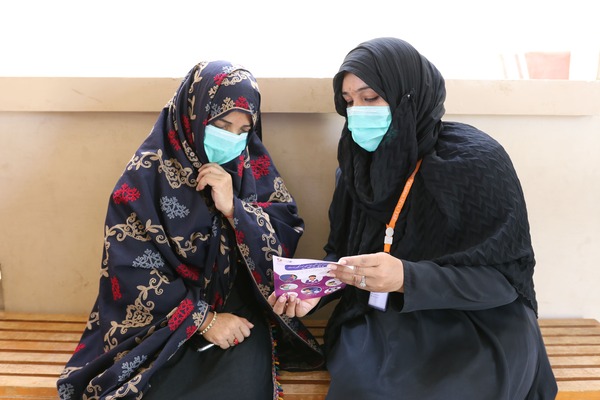
Psychological distress contributes to non-compliance, delayed treatment, treatment failure, and higher loss-to-follow-up rates.
Our Approach: Delivery
The ISD program uses a holistic, community-centered model to deliver integrated health services:
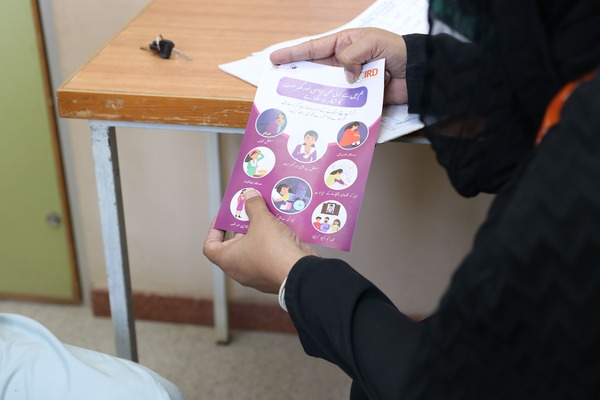
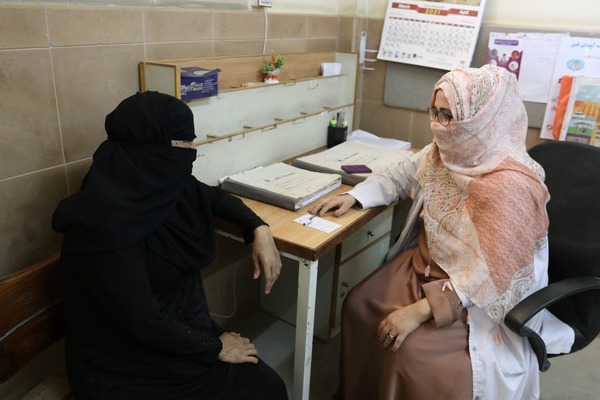
- Household package of services: Patients are offered free screening for TB, COVID-19, hepatitis C, and mental health assessment.
- Tele-mental health and mobile clinic support: Symptomatic individuals receive phone-based counseling and in-person support during follow-up visits.
- Community Action Groups (CAGs): Trained local volunteers assist with patient mobilization, education, and adherence support.
- Sample transport and follow-up: Mobile services ensure laboratory samples are collected and delivered for testing, reducing patient burden.
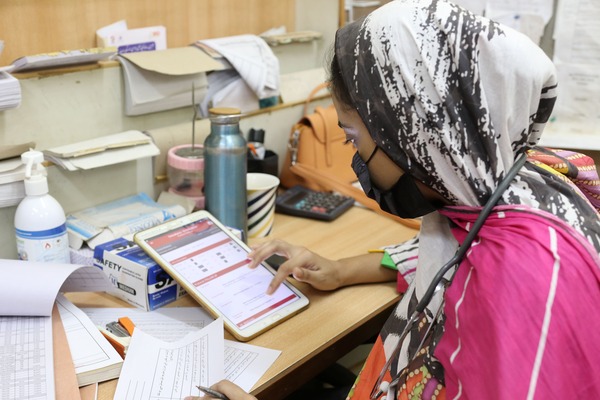
- AI-assisted screening: Technology is leveraged to streamline early detection of infectious diseases and psychosocial distress.
This integrated approach bridges the gap between diagnosis, treatment, and mental health care, ensuring continuity and improved compliance in rural settings.
Impact
| Indicator | Target | Achieved | % Achieved |
|---|---|---|---|
| Eligible for Mental Health Assessment | 3,310 | 5,169 | 156% |
| Mental Health Assessments Conducted | 3,310 | 4,761 | 144% |
| Individuals Symptomatic for Common Mental Disorders | – | 138 | 84% |
| Initiated Point-of-Care Counselling | 116 | 128 | 110% |
| Completed Mental Health Counselling | 58 | 54 | 93% |
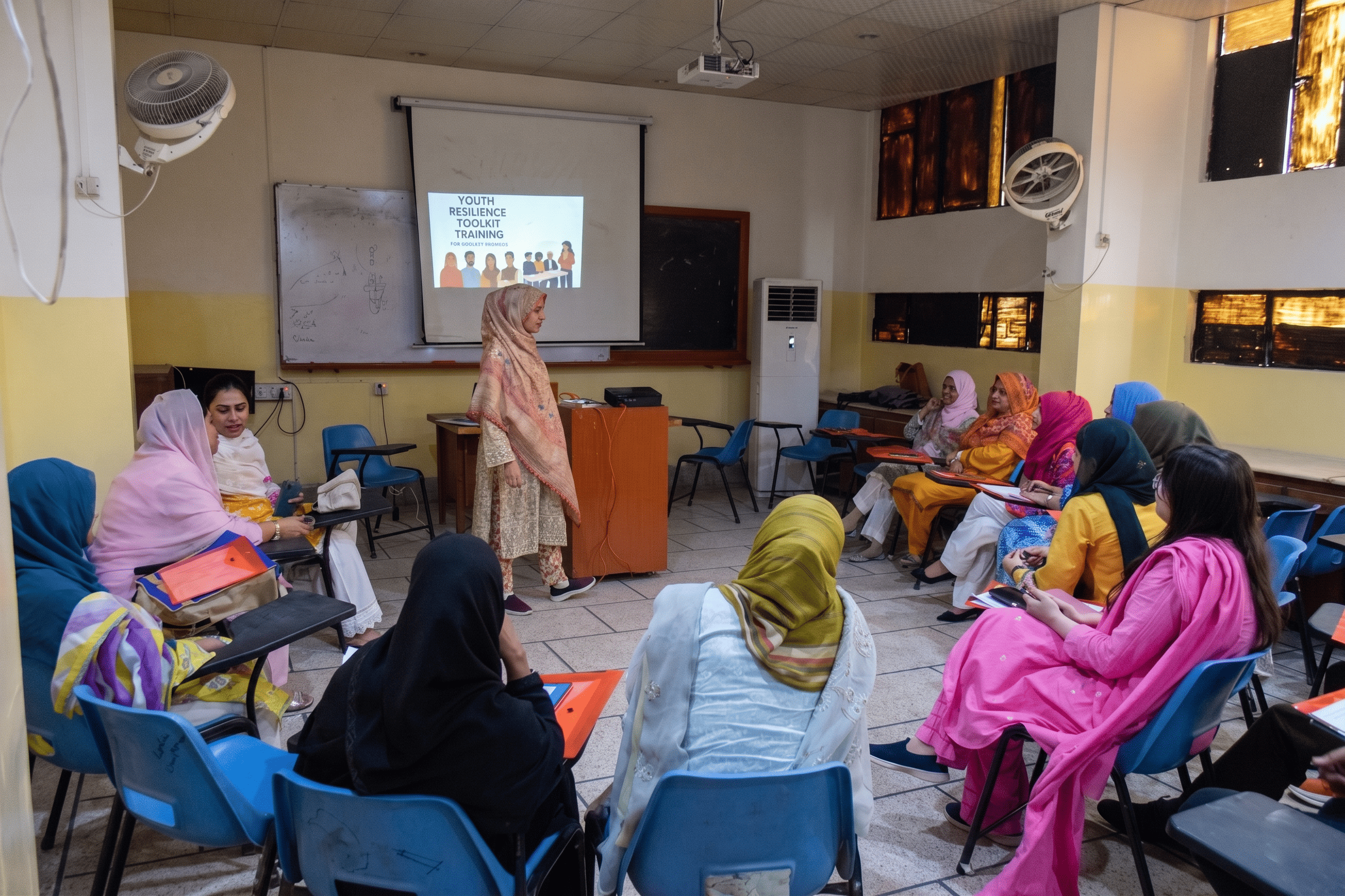
The program has successfully screened over 4,700 individuals and provided counselling to those experiencing psychosocial distress, demonstrating high uptake and engagement in rural communities.
Our partners
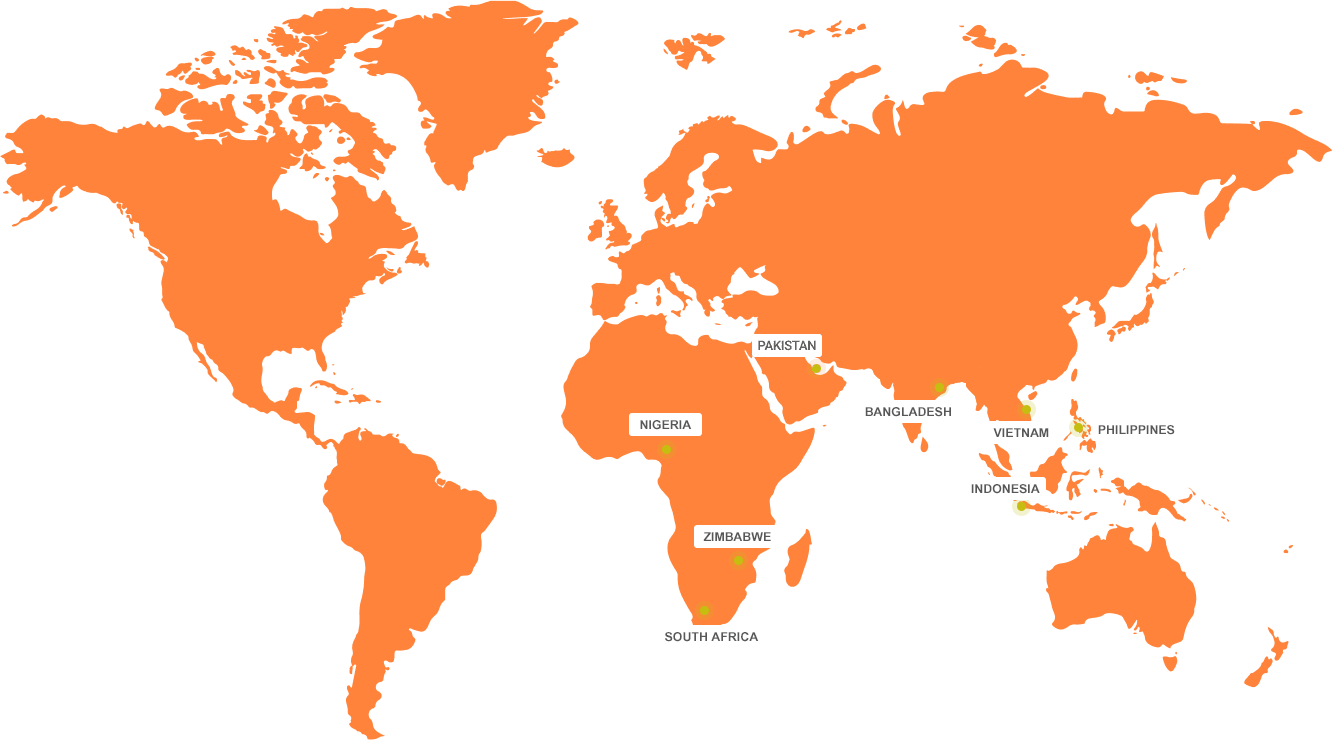
PDI has a nationwide footprint, focusing on districts identified by the national STH survey— 47 at-risk districts requiring annual deworming.
The Drivers Behind Our Impact
The Drivers Behind Our Impact
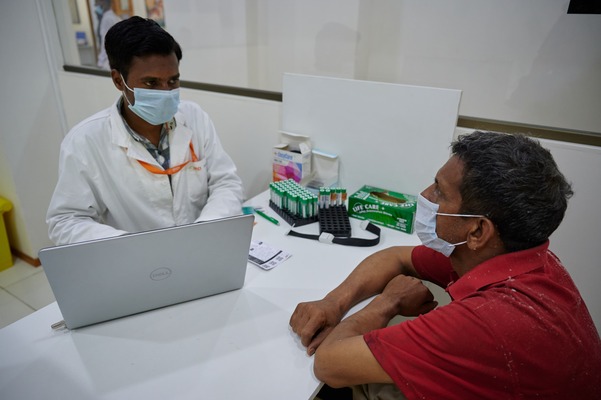
Integrated, patient-centered model
Combines infectious disease care with mental health support to improve treatment adherence and outcomes.
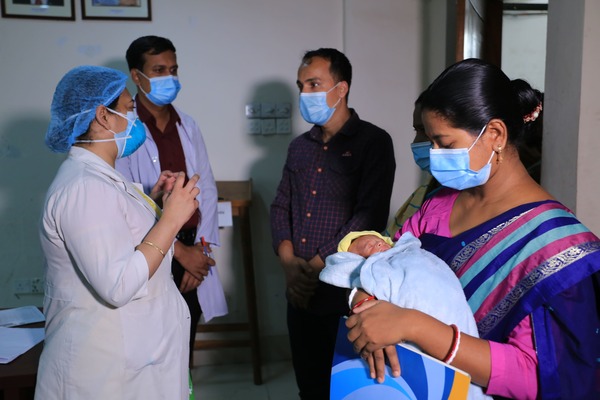
Mobile and telehealth platforms
Extend reach to remote communities and reduce access barriers.
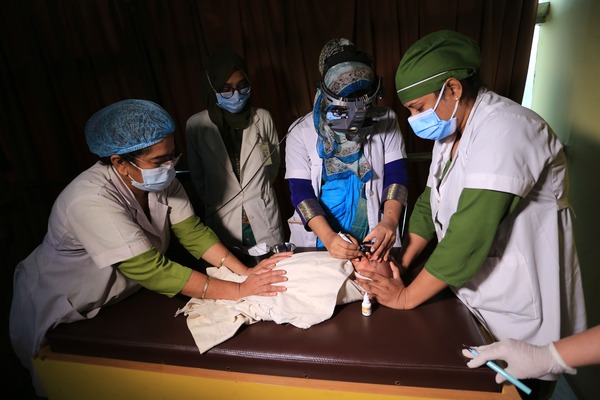
Community engagement
Local volunteers enhance awareness, support adherence, and reduce stigma.
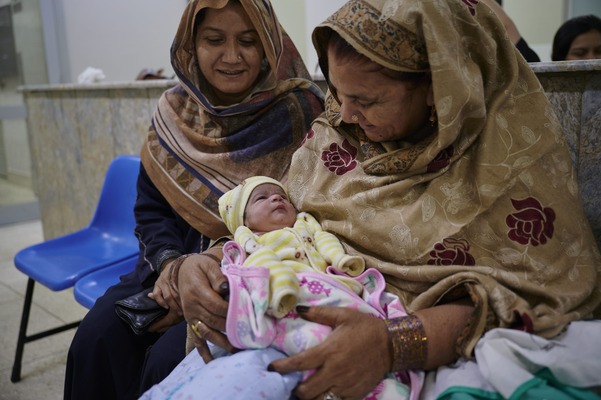
Evidence-driven approach
Screening and point-of-care counselling target symptomatic individuals efficiently.
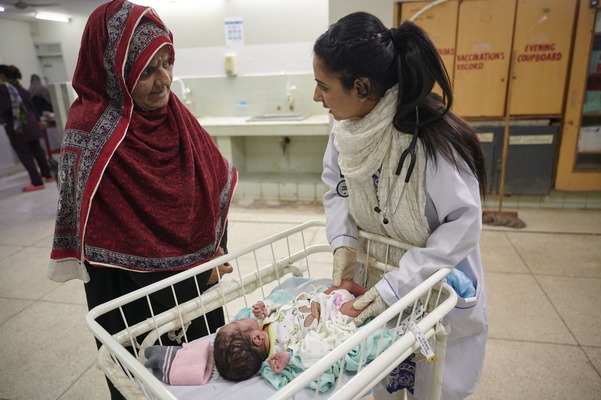
Flexible, scalable delivery
Household packages, mobile clinics, and AI-assisted screening allow replication in other rural settings.
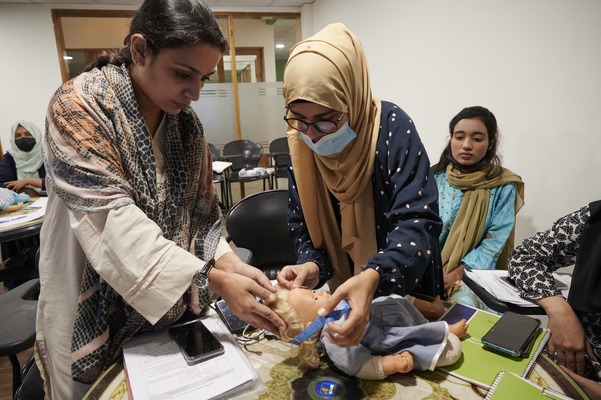
Focus on mental health
Early identification and counseling for psychosocial distress reduce treatment failure and loss-to-follow-up.