 Work for IRD
 Contact us



Overview
Takhleeq explored the experiences of people living with psychosis, their caregivers, and mental health professionals exposed to arts-based interventions in Karachi, Pakistan. Under the PIECEs program, this pilot study evaluated performance-based arts techniques, including Theatre of the Oppressed and interactive theatre, to understand their impact on emotional well-being, social functioning, and care pathways for people with severe mental illnesses (SMIs). The project engaged multiple stakeholders through narrative interviews and interactive workshops, generating insights to guide the integration of creative approaches alongside traditional mental health care. In Karachi, the project reached public mental health facilities and community settings hosting interactive workshops and theatre sessions, leveraging local networks and PIECEs partnerships to ensure culturally relevant and accessible implementation. The project actively engaged 40 stakeholders through workshops and interviews, generating insights into lived experiences, caregiver challenges, and professional perspectives.

22,000+
individuals screened for mental health concerns

1,400+
individuals enrolled for lay counselling

580
individuals completed counselling

6%
prevalence of symptomatic cases identified among healthcare site visitors

65%
counselling completion rate among enrolled participants
Our Partners
- IRD Pakistan – Project coordination, research management, and stakeholder engagement.
- PIECEs Program – International collaboration framework supporting arts-based mental health innovation.
- Research team: Kainat Khurshid, Asma Rehmani, Simran Motwani, Hunaina Khan, Imra Hemani – design, data collection, and analysis.
- Participants: People with lived experience, caregivers, and mental health professionals providing critical insights.
The Need
The Need
Mental health services in Pakistan are limited
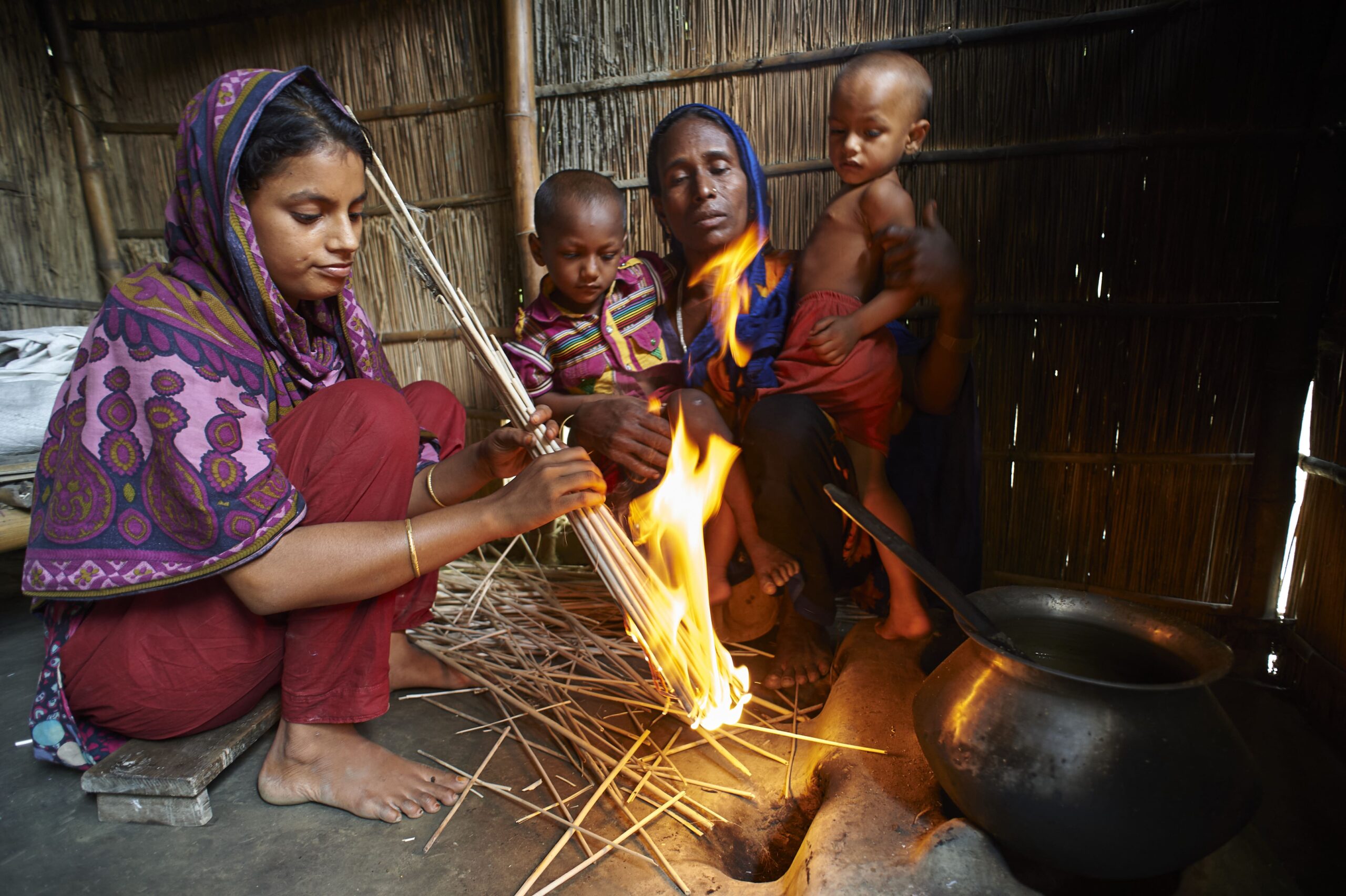
Mental health services in Pakistan are limited, and people living with psychosis face challenges that extend beyond medical treatment, including social isolation, stigma, and unmet emotional needs. Traditional therapies often neglect creative, participatory methods that can empower individuals, foster self-expression, and strengthen social connections. Caregivers and professionals also lack structured avenues to explore psychosocial approaches, highlighting the need for innovative, culturally sensitive interventions to complement conventional mental health care.


Our Approach: Delivery
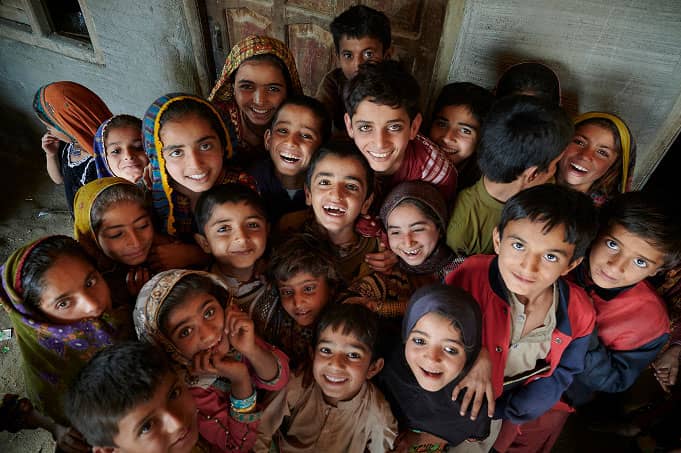
- Arts-Based Methodology: The project focused on performance arts, including Theatre of the Oppressed and interactive theatre, to create safe, expressive spaces for participants.
- Multi-Stakeholder Engagement: 40 participants—including 14 people with psychosis, 11 caregivers, and 15 mental health professionals—were involved through workshops and in-depth interviews.
- Qualitative Research & Analysis: Narrative interviews and observer reflections were analysed using Braun & Clarke’s Six-Step Thematic Analysis and Transformative Learning Framework to identify key themes.
- Capacity Building: The research team developed bespoke tools, ethical protocols, and workshop guides tailored to local needs.
- Integrated Care Insights: Findings informed recommendations for combining arts-based interventions with traditional therapies to improve care pathways for people with psychosis.

Impact
- 40 stakeholders actively engaged in workshops and interviews, providing insights into lived experiences, caregiver challenges, and professional perspectives.
- Key outcomes: Participants reported feeling seen, heard, and socially connected; improvements in communication, self-expression, and understanding of mental health were observed.
- Caregiver empowerment: Workshops promoted empathy, shared understanding, and coping strategies among caregivers.
- Professional development: Mental health practitioners gained exposure to arts-based techniques and potential integration into conventional care.
- Evidence generation: Findings demonstrate the therapeutic potential of arts-based interventions and provide actionable guidance for future mental health programming.
Our partners
PDI has a nationwide footprint, focusing on districts identified by the national STH survey— 47 at-risk districts requiring annual deworming.
The Drivers Behind Our Impact
The Drivers Behind Our Impact

Creative, participatory methods
Performance arts foster self-expression, emotional exploration, and social connection.
Stakeholder engagement
Multi-perspective involvement ensured the relevance and applicability of findings.
Transformative learning approach
Facilitated reflection, perspective shifts, and enhanced understanding of mental health care roles.

Integration with traditional therapies
Findings advocate for pairing arts-based interventions with conventional treatment for holistic care.
Evidence-informed recommendations
Research outputs guide policy, practice, and future implementation of arts-based mental health interventions.
Sustainability focus
Plans for dissemination through workshops, conferences, and publications aim to extend the project’s influence beyond the pilot phase.