 Work for IRD
 Contact us


Overview
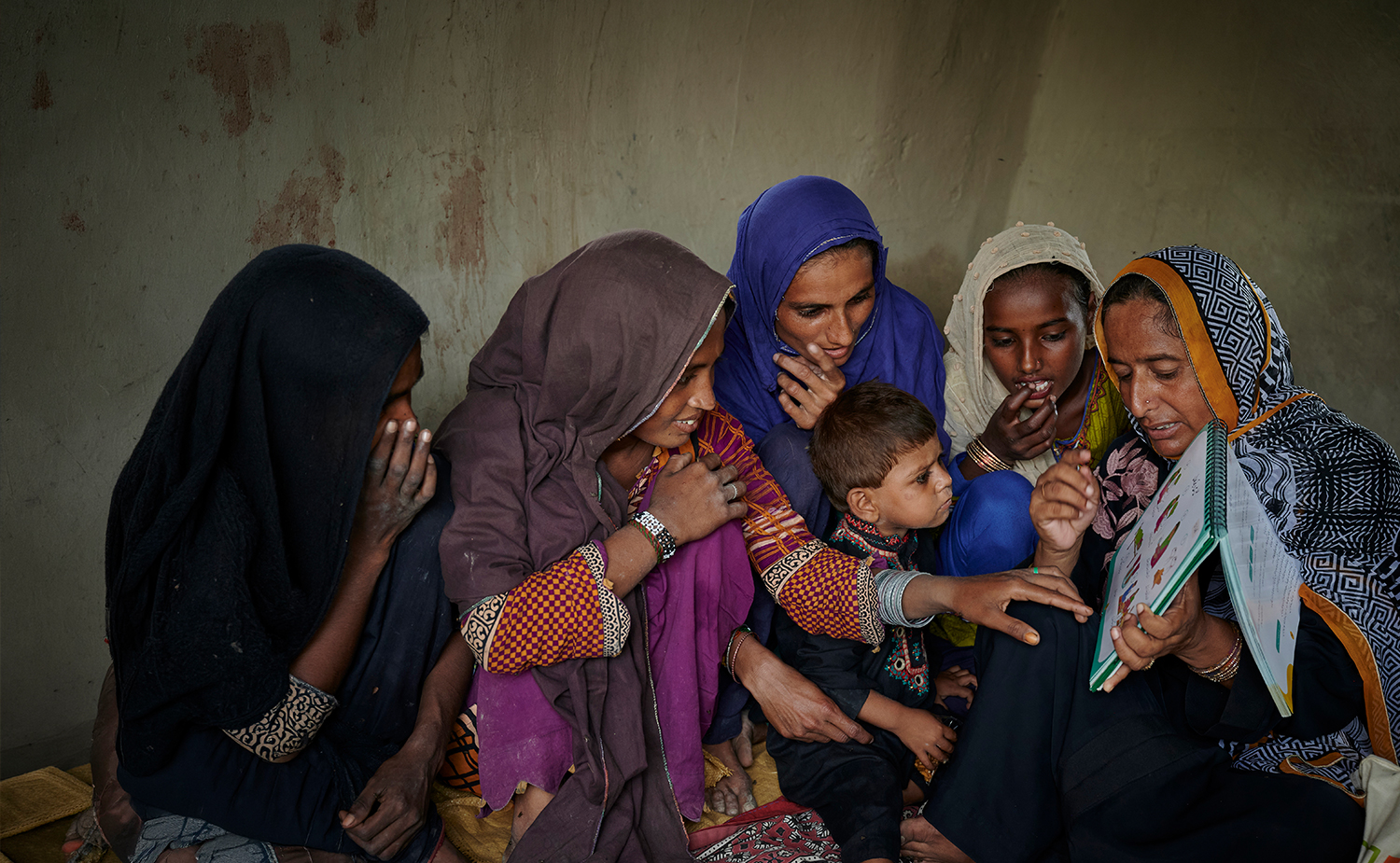
Strengthening Ties Through Awareness Raising (STAR) is IRD Global’s community-based mental health advocacy and service linkage program designed to reduce stigma, promote early identification, and expand access to care for depression and anxiety. Implemented through trained lay health counselors and supported by helpline services, STAR integrates awareness raising with screening and referral pathways, ensuring individuals identified in community settings are connected to appropriate mental health support. STAR operates across urban and peri-urban Karachi, including Korangi, Landhi, and North Karachi, with additional engagement through hospital waiting areas within partner networks and program activities in Badin.

42,000+
individuals reached through helpline services

32,000+
individuals engaged through community outreach

31,700+
individuals screened for depression and anxiety

5,400+
referrals made for counselling
Our Partners
- British Asian Trust
- Public and private health facilities within IRD’s mental health partner network
- Community-based organizations and local volunteers supporting outreach and mobilization
The Need
The Need
High and under-recognized burden
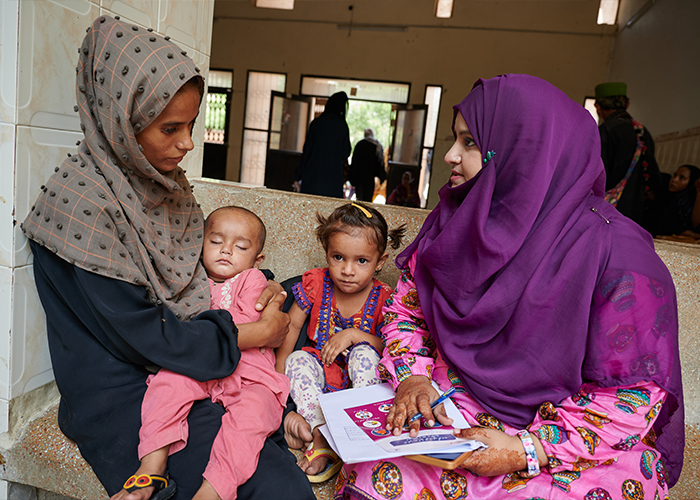
Depression and anxiety are among the leading contributors to disability globally. In Pakistan, an estimated 4.2% of the population experiences depression and 3.5% anxiety, with significantly higher unmet need in low-income urban and peri-urban settings.
Severe workforce constraints
Mental health service availability is critically limited, with approximately one psychiatrist per 500,000 people, making specialist-led models insufficient to meet population-level needs.
Stigma and low help-seeking
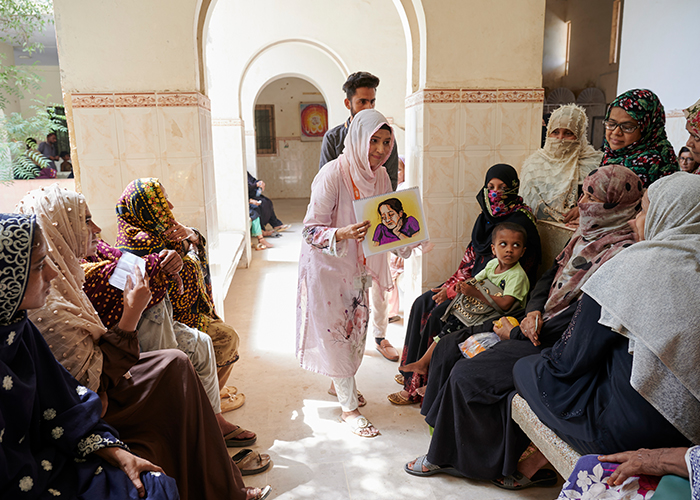
Cultural beliefs, misinformation, and social stigma suppress demand for mental health services, delaying care and widening the treatment gap. Without proactive awareness and community engagement, many individuals remain unidentified and untreated.
Our Approach: Delivery
STAR applies a grassroots, demand-generation model that complements facility-based mental health services.
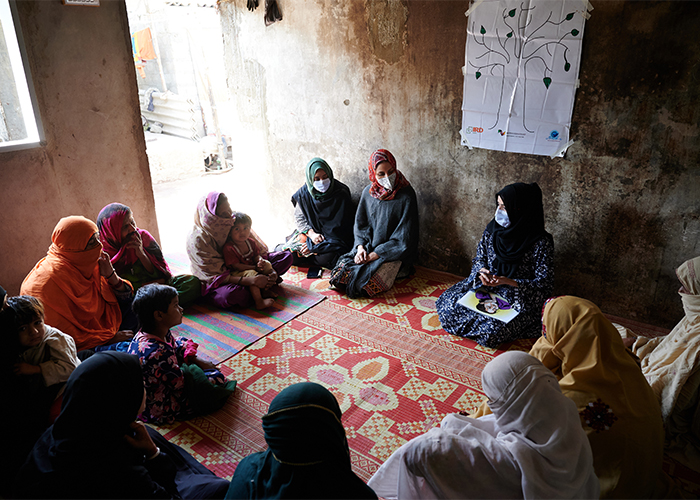
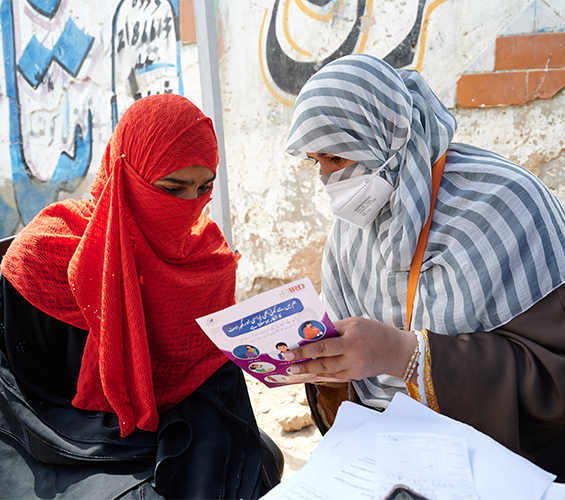
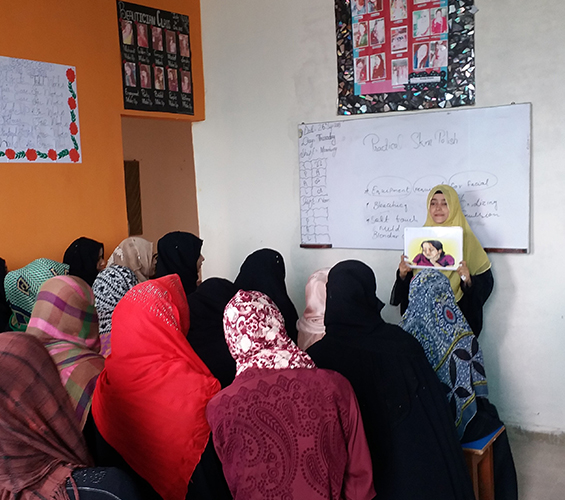
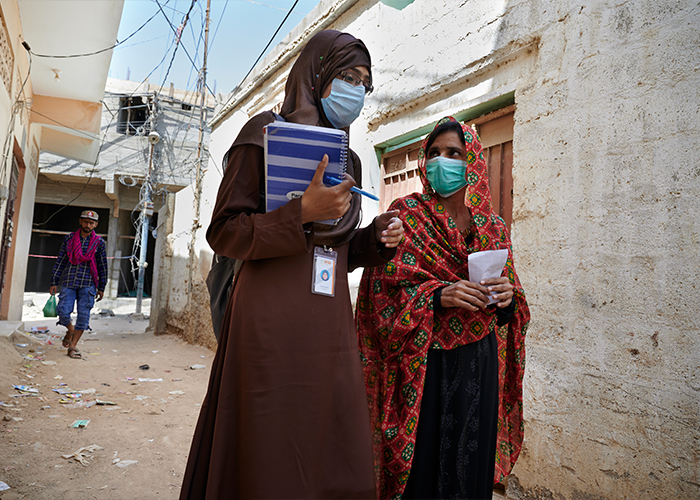
- Lay health counselor model: Individuals from target communities are trained to lead mental health conversations, ensuring cultural relevance, trust, and sustainability.
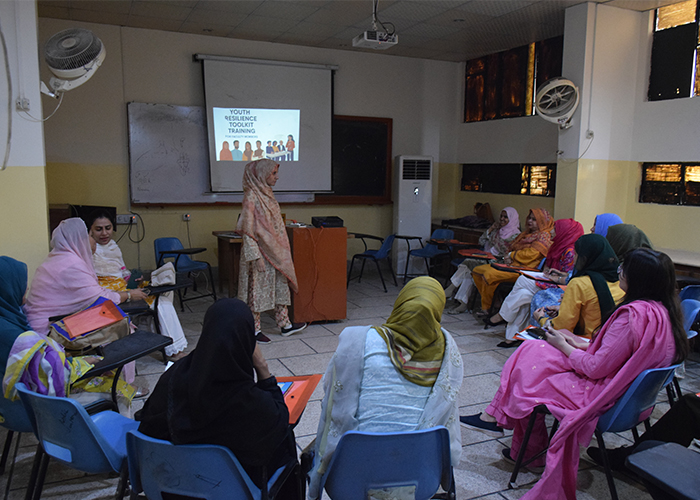
- Structured group discussions: Facilitated sessions create safe spaces for dialogue, normalize mental health experiences, reduce stigma, and improve recognition of symptoms.
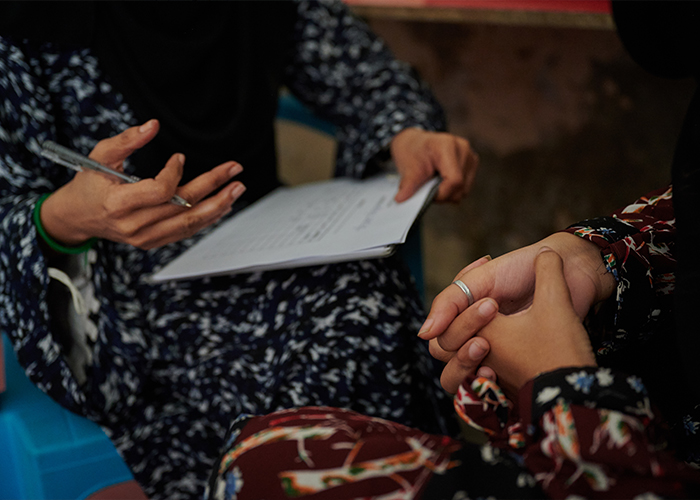
- Integrated screening: All participants are offered screening for depression and anxiety, enabling early identification of individuals requiring further support.
- Referral pathways: Symptomatic individuals receive referrals to IRD-supported facility-based counseling services, closing the loop between community engagement and clinical care.
- Helpline platforms: Proactive and reactive helplines extend reach, offering information, screening, and guidance at scale, including support for healthcare providers.
Our partners
PDI has a nationwide footprint, focusing on districts identified by the national STH survey— 47 at-risk districts requiring annual deworming.
The Drivers Behind Our Impact
The Drivers Behind Our Impact
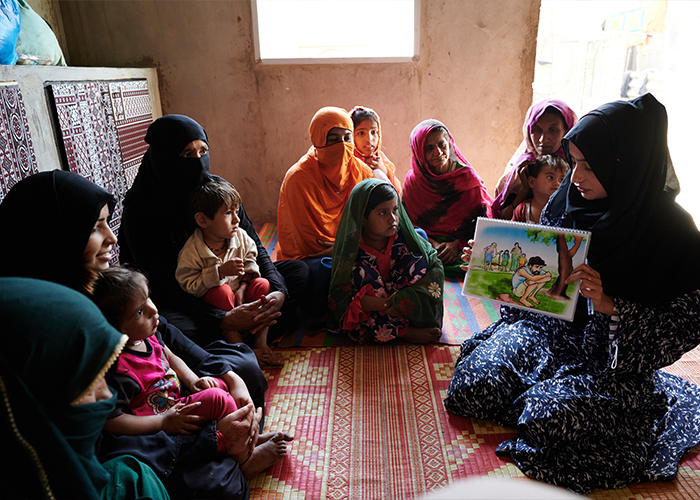
Community-owned delivery
Recruiting counselors from within communities builds trust, relevance, and sustained engagement.
Demand generation linked to care
Awareness activities are directly connected to screening and referral, minimizing drop-off between identification and treatment.
Stigma-responsive design
Group conversations and peer facilitation normalize mental health discussions and reduce barriers to help-seeking.
Scalable platforms
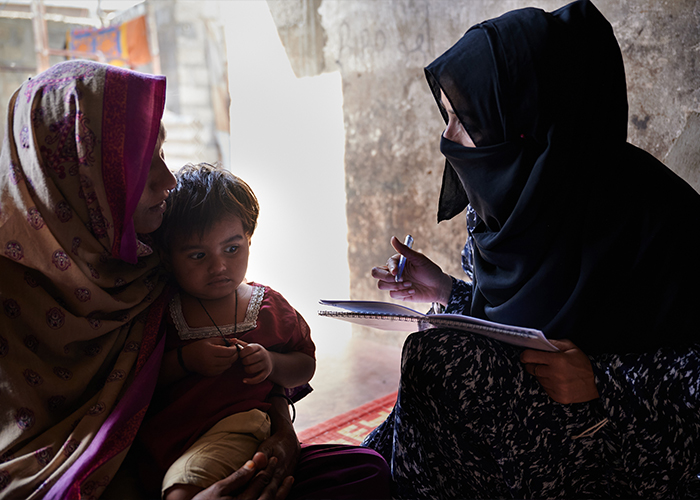
Helplines and group-based sessions enable high-volume reach despite limited specialist resources.
Data-informed adaptation
Continuous monitoring of uptake, referrals, and completion rates allows the program to refine targeting and improve outcomes over time.