 work for IRD
 contact us

Overview
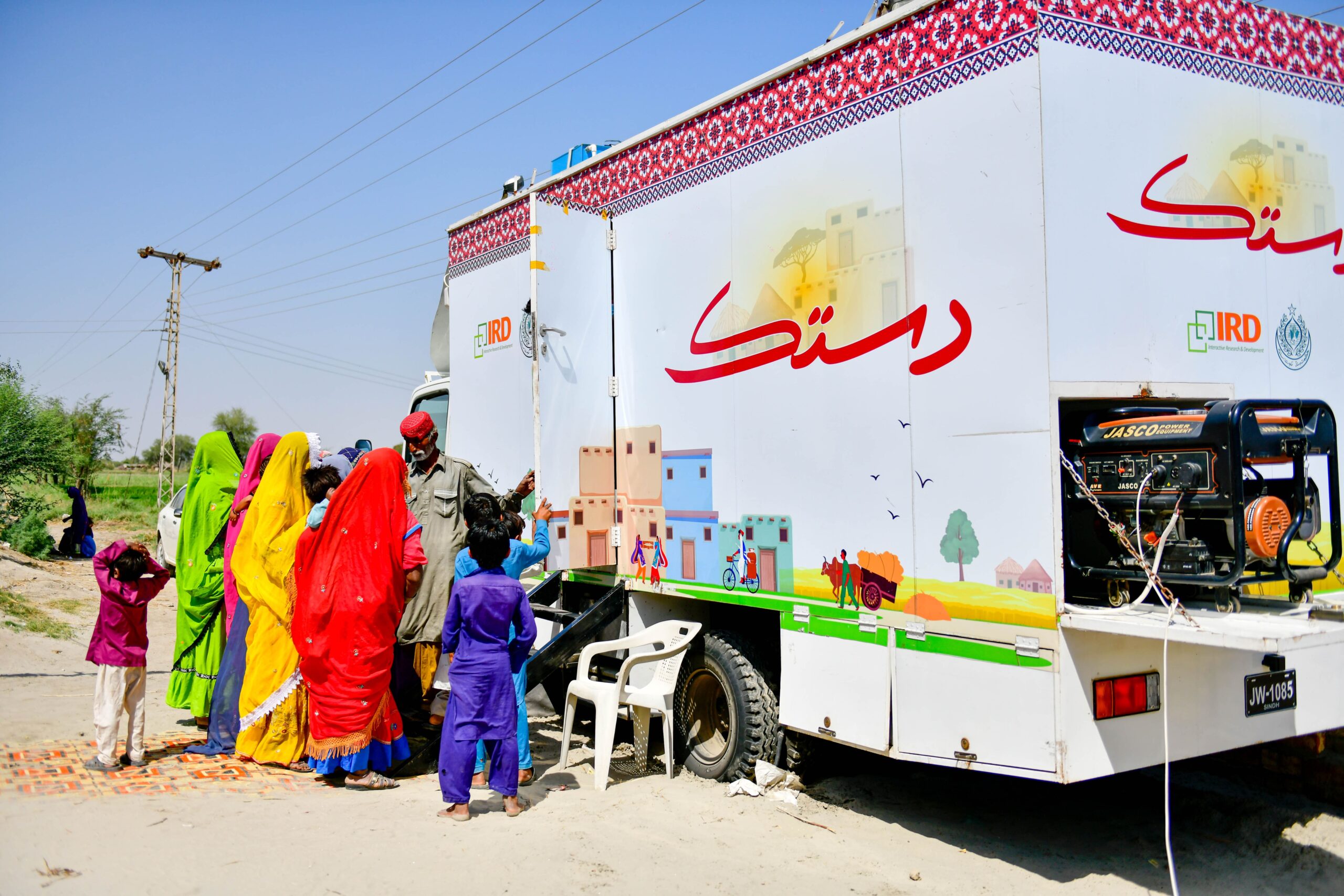
The Pakistan Deworming Initiative (PDI) is a government-led programme designed to safeguard school-age children (5-14 years old) from soil-transmitted helminth (STH) infections. Established in 2018 following the first national STH survey, the initiative brings together federal, provincial and district partners to deliver safe, high-quality deworming through school-, community- and hybrid-based models. IRD works alongside these partners on planning, logistics, training, community mobilization and monitoring so that children can grow, thrive and remain in school.

41.5
Treatments delivered

214K+
Teachers and health workers engaged

2500+
Government officials engaged

201K+
Schools and health facilities involved
$0.32
Cost per child(2022)
Our partners
- Federal Ministry of Planning, Development & Special Initiatives, Education and National Health Services, and implemented by provincial Health, Education and Planning departments.
- Evidence Action’s Deworm the World Initiative
- WHO
The need for deworming
The need for deworming
High burden of worm infections
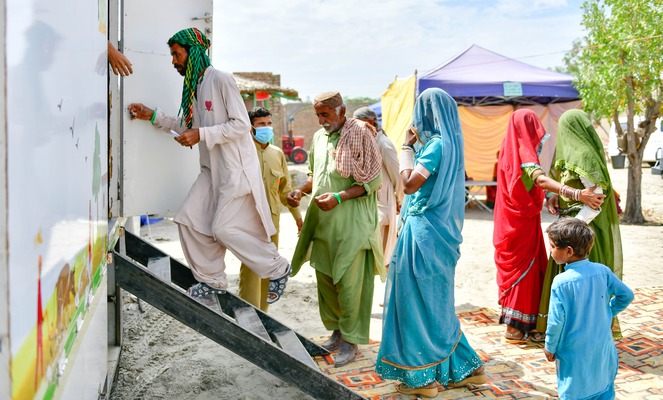
Pakistan is among the world’s top ten STH-burdened countries. STH infections can lead to anaemia, malnutrition and diminished concentration, undermining children’s health, educational outcomes and long-term productivity.
Evidence‑based need
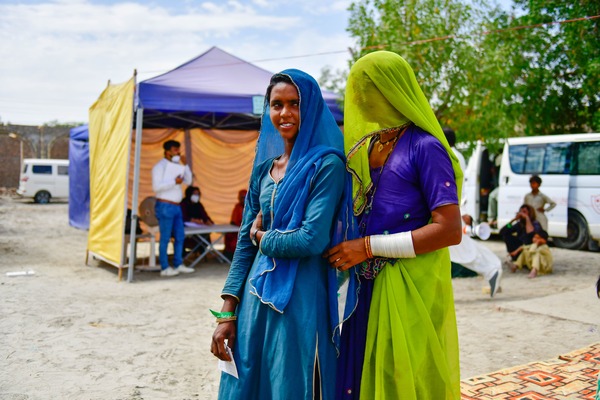
The first nationwide STH prevalence survey (2016) conducted by Evidence Action, WHO, IRD & IHN and the Government of Pakistan showed that roughly 17 million school-age children in 47 at‑risk districts require deworming once annually.
Access and equity gaps
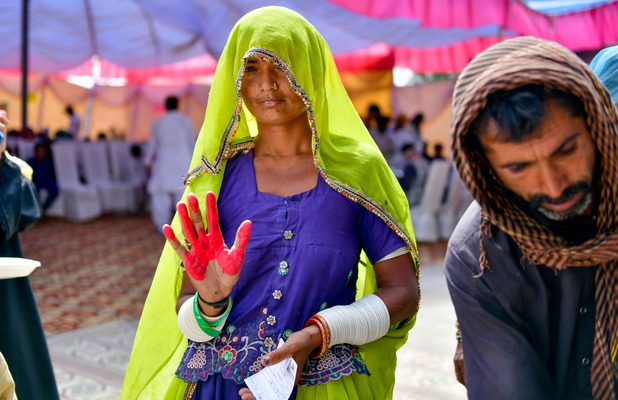
Out-of-school children, those in remote communities and pupils in schools lacking adequate water, sanitation and hygiene (WASH) facilities are particularly vulnerable. Without organised deworming, intestinal worms can perpetuate cycles of poverty, anaemia and undernutrition.
Our approach: technical assistance
IRD serves as the technical assistance partner to the government-led Pakistan Deworming Initiative (PDI), which aligns with World Health Organization guidelines recommending mebendazole treatment for school-age children in areas with high soil-transmitted helminth (STH) prevalence.
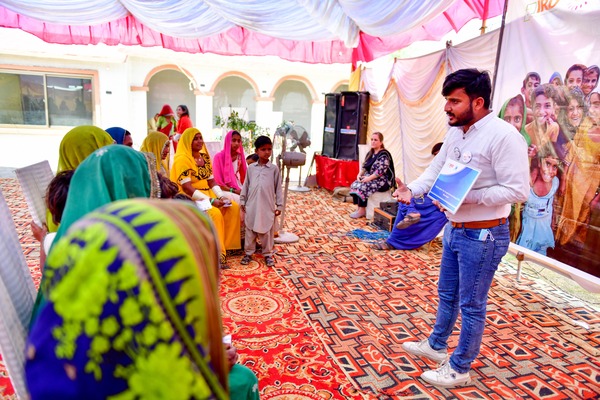
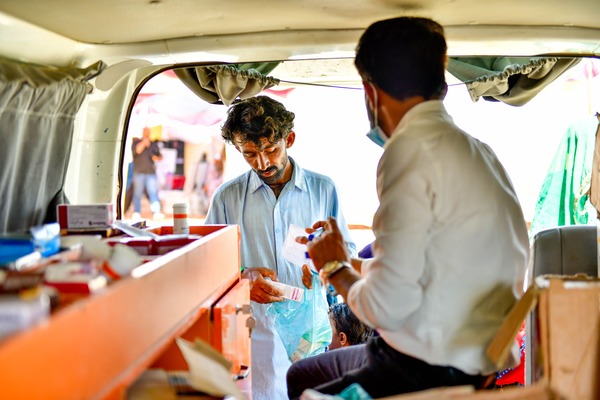
As a technical partner, IRD strengthens all stages of program delivery — from planning and implementation to monitoring and evaluation. Using national STH survey data, IRD supports micro-targeting of high-risk districts and schools, ensures efficient medicine forecasting and distribution, and builds capacity through cascaded training for teachers and health workers to enable safe and accurate administration.
Through robust data systems, continuous monitoring, and coordination across health, education, and planning departments, IRD enhances program oversight and responsiveness. In collaboration with partners such as Evidence Action, IRD provides policy and financing guidance to the Government of Pakistan along with provincial government stakeholders to embed deworming within national systems. This technical assistance approach allows PDI to leverage existing government structures and personnel while IRD contributes the expertise, tools, and systems needed to scale deworming effectively, equitably, and sustainably across Pakistan.
Our partners
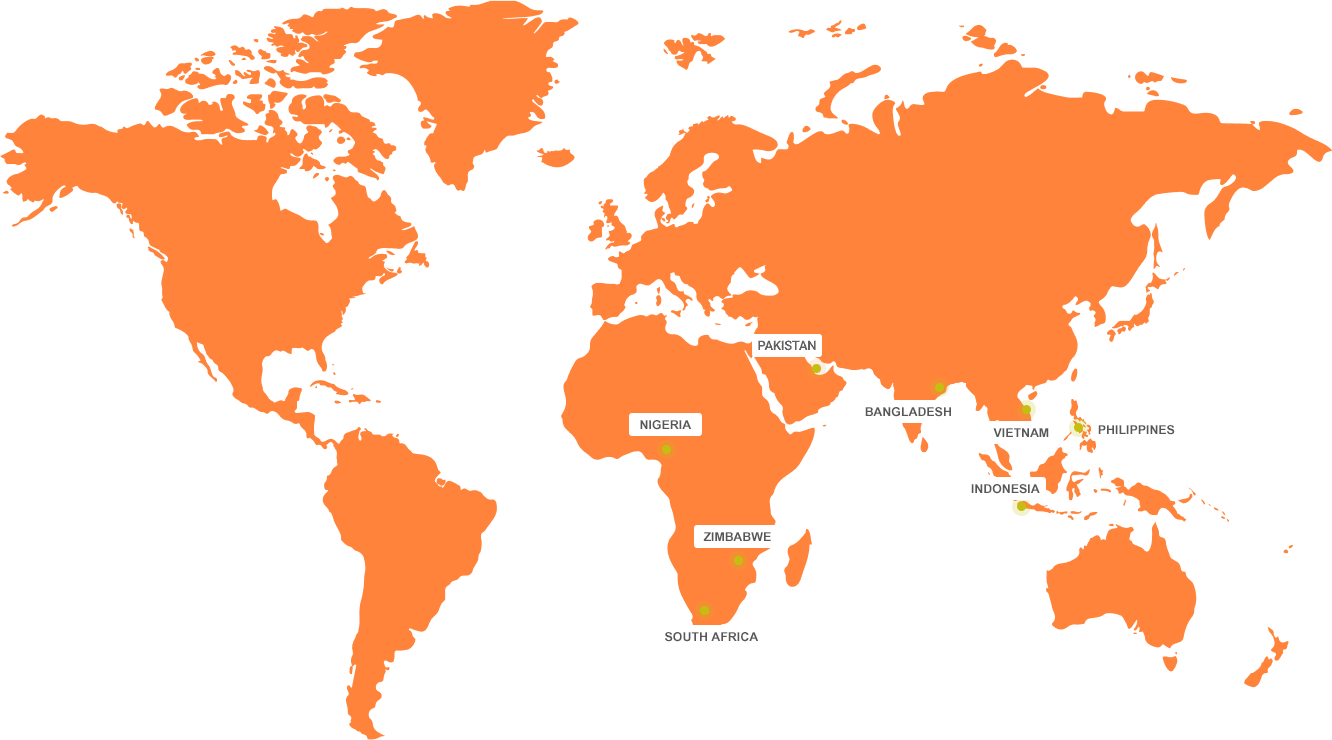
PDI has a nationwide footprint, focusing on districts identified by the national STH survey— 47 at-risk districts requiring annual deworming.
The drivers behind our impact
The drivers behind our impact
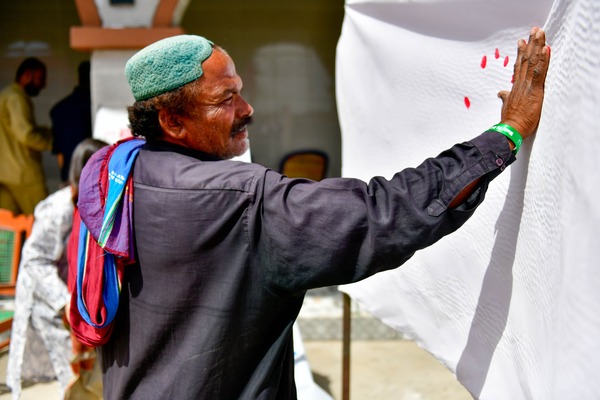
Evidence-driven and adaptive
Planning and frequency of deworming are guided by national STH survey data, PMCV reports after each deworming round and ongoing coverage monitoring, ensuring resources reach those most in need and lessons from each round inform improvements.
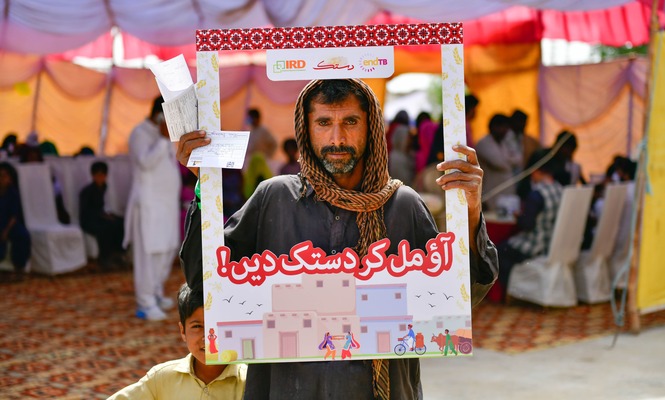
Government-owned and coordinated
A national steering committee chaired by federal planning, health and education ministries—and mirrored by provincial committees or working groups, followed by district level management committees—guides policy, budgeting and supervision, embedding deworming within government plans and budgets.
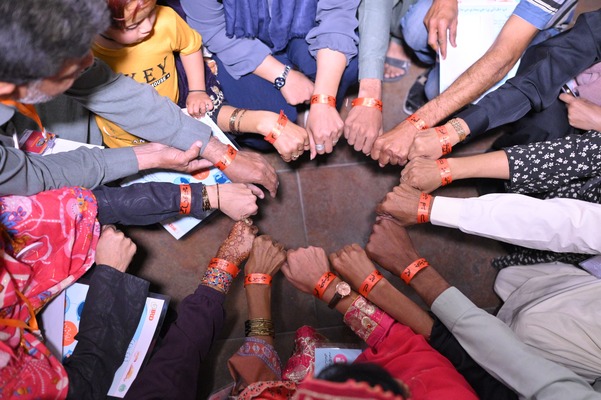
Flexible delivery models
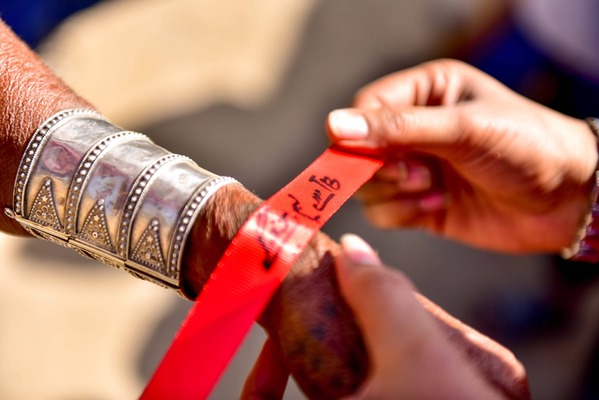
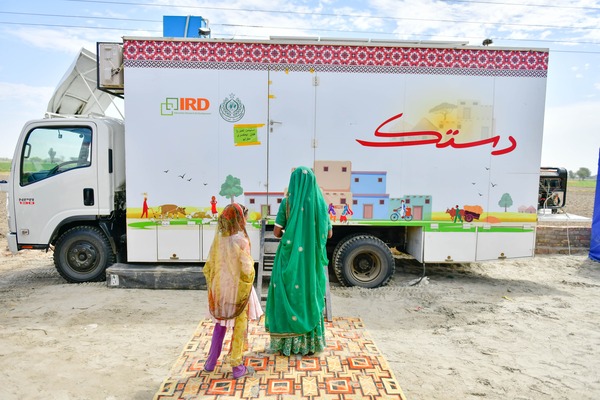
School-based, community-based and hybrid approaches allow districts to tailor campaigns to local conditions, reaching out-of-school children and remote communities.
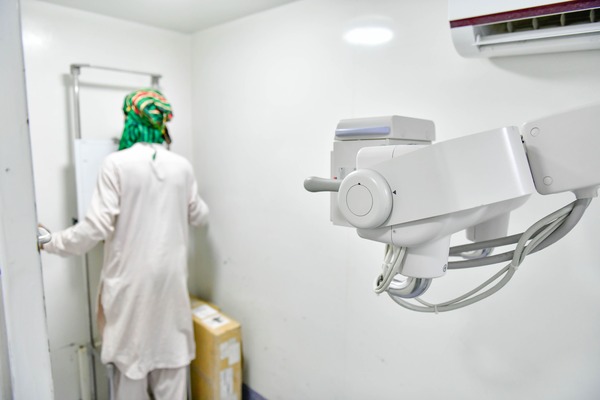
Capacity building at scale
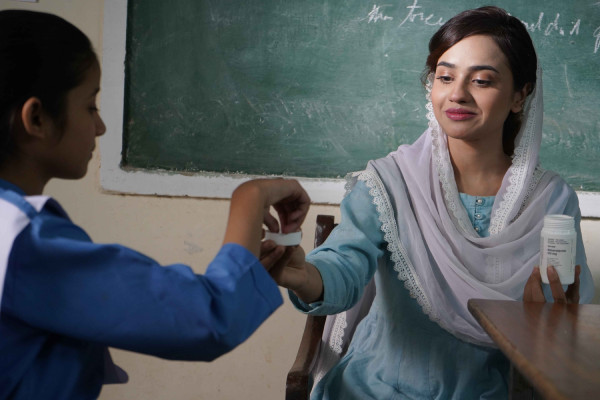
Cascaded training equips tens of thousands of teachers and health workers;
Cost-effective and sustainable
Deworming costs roughly PKR 75 (US$ 0.50) per child per treatment, and funding combines donor and domestic budgets, making expansion feasible.
Replicable model
The combination of evidence-based targeting, strong government ownership and adaptable delivery makes PDI a model for other countries seeking to scale deworming programmes.