 Work for IRD
 Contact us


Overview
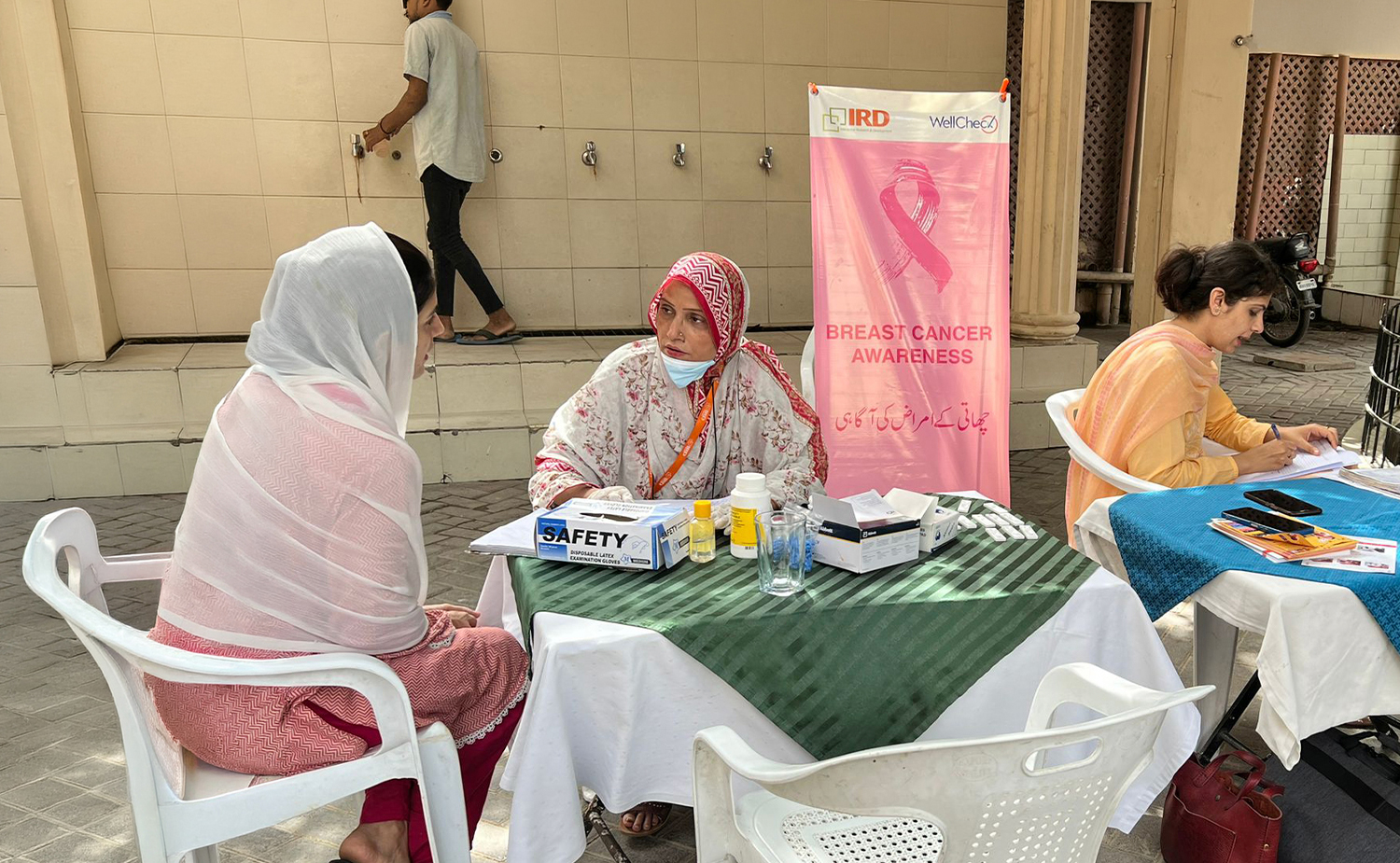
The Women’s Health Programme aims to improve early detection and timely referral of breast, cervical and other women-related cancers, alongside benign gynaecological and surgical conditions. Through community-based health camps and a fixed centre in Orangi Town, Karachi, the programme provides screening, health education and referral support to women who otherwise have limited access to primary healthcare. The programme provides services through the WellCheck Centre in Orangi Town, Karachi.

1,886+
women screened for breast and cervical cancers

425+
women referred to specialist clinics

112+
women referred for radiology and tertiary care

35+
Pap smears performed
The Need
The Need
Pakistan continues to face a high burden
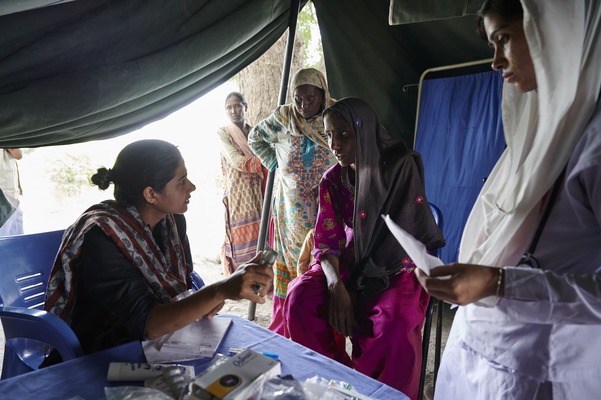
Pakistan continues to face a high burden of maternal and women-related cancers. Many women delay care due to a lack of awareness, cultural stigma, financial barriers and limited access to diagnostic services. As a result:
- Breast cancer is the most commonly diagnosed cancer among women in Pakistan.
- Cervical cancer remains largely undetected until advanced stages.
- Women in low-income urban settlements often lack access to screening and referral pathways.
Improving community awareness, early detection and linkage to care is essential to saving lives and building sustainable models for women’s health services in Pakistan.
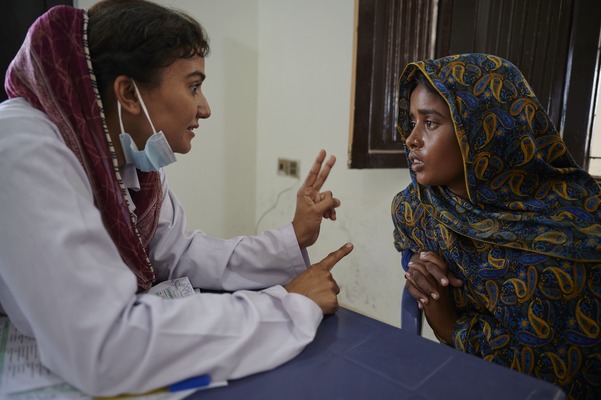
Our Approach: Delivery
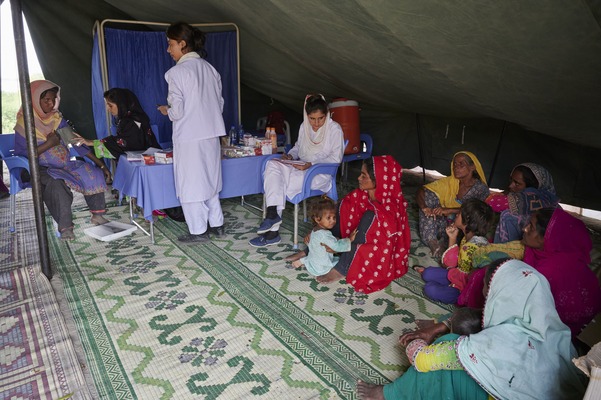
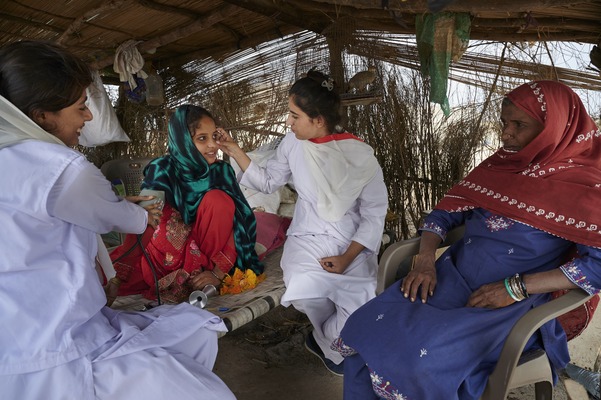
IRD strengthens women’s health through a community-centred, scalable model that includes:
- Verbal screening for early signs of breast and cervical cancer at community health camps and the WellCheck Centre.
- Referrals of high-risk or symptomatic women to specialist clinics and tertiary care hospitals for ultrasound, mammography, pap smears and further evaluation.
- Capacity-building and health education through awareness sessions in communities, schools, factories and corporate settings.
- Referral pathways and partnerships established with local hospitals and diagnostic centres to ensure continuity of care.
Our partners
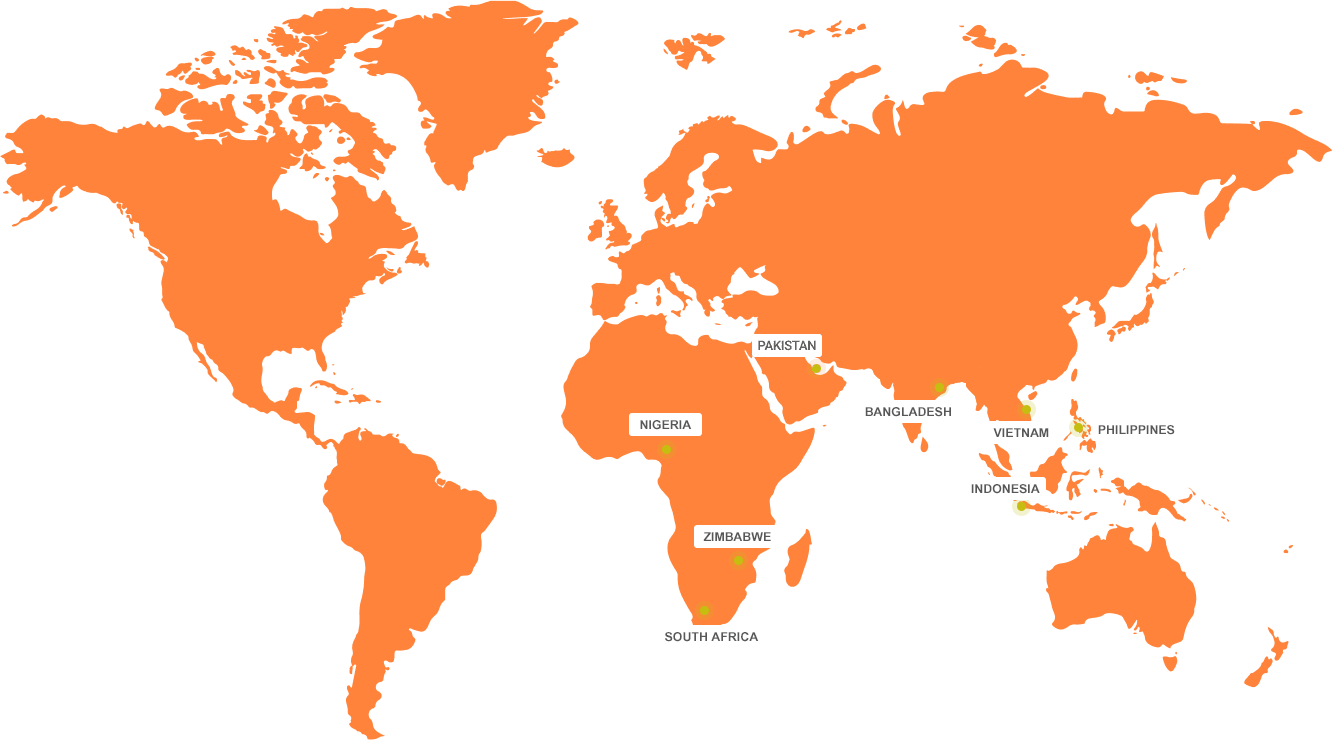
PDI has a nationwide footprint, focusing on districts identified by the national STH survey— 47 at-risk districts requiring annual deworming.
The Drivers Behind Our Impact
The Drivers Behind Our Impact
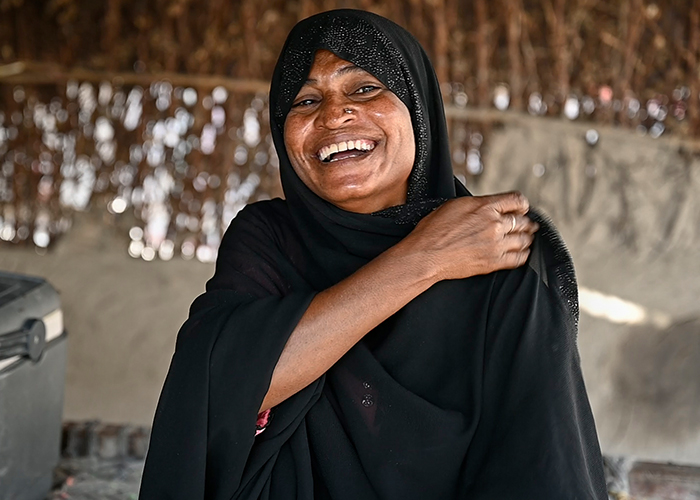
Early detection saves lives
Screening identifies high-risk women before cancers reach advanced stages.
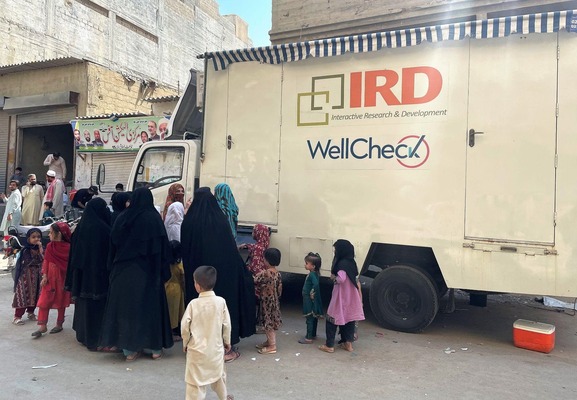
Community-rooted approach
Services delivered within familiar, trusted spaces increase acceptance and uptake.
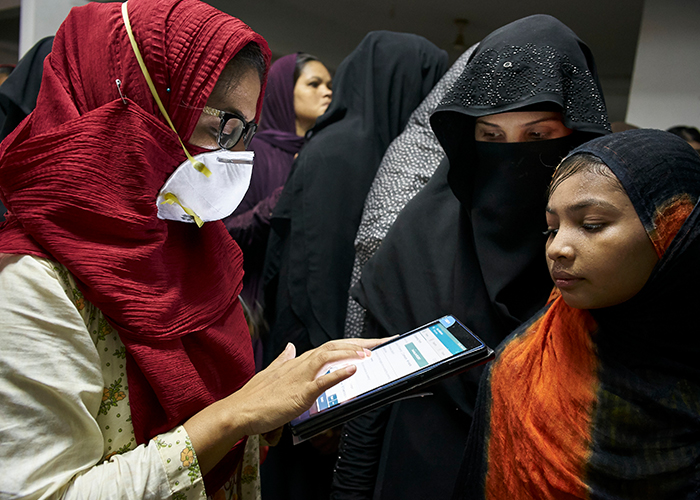
Stronger referral systems
Formal pathways created with tertiary care hospitals ensure women receive diagnostics and treatment.
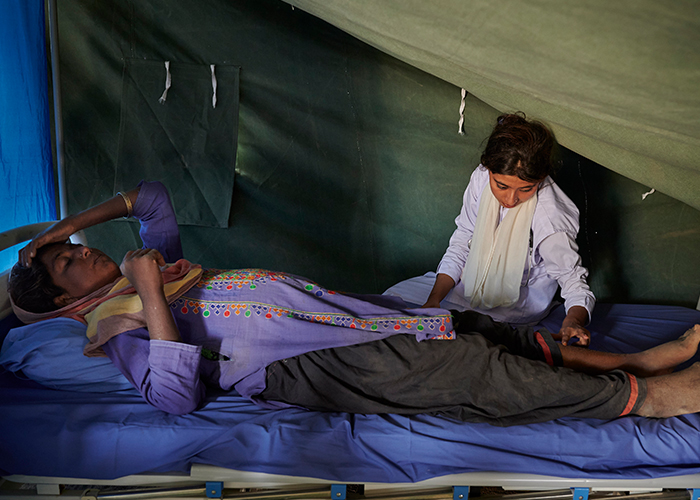
Scalable and sustainable model
Can be replicated in other under-resourced urban areas with minimal infrastructure.