 Work for IRD
 Contact us


Overview
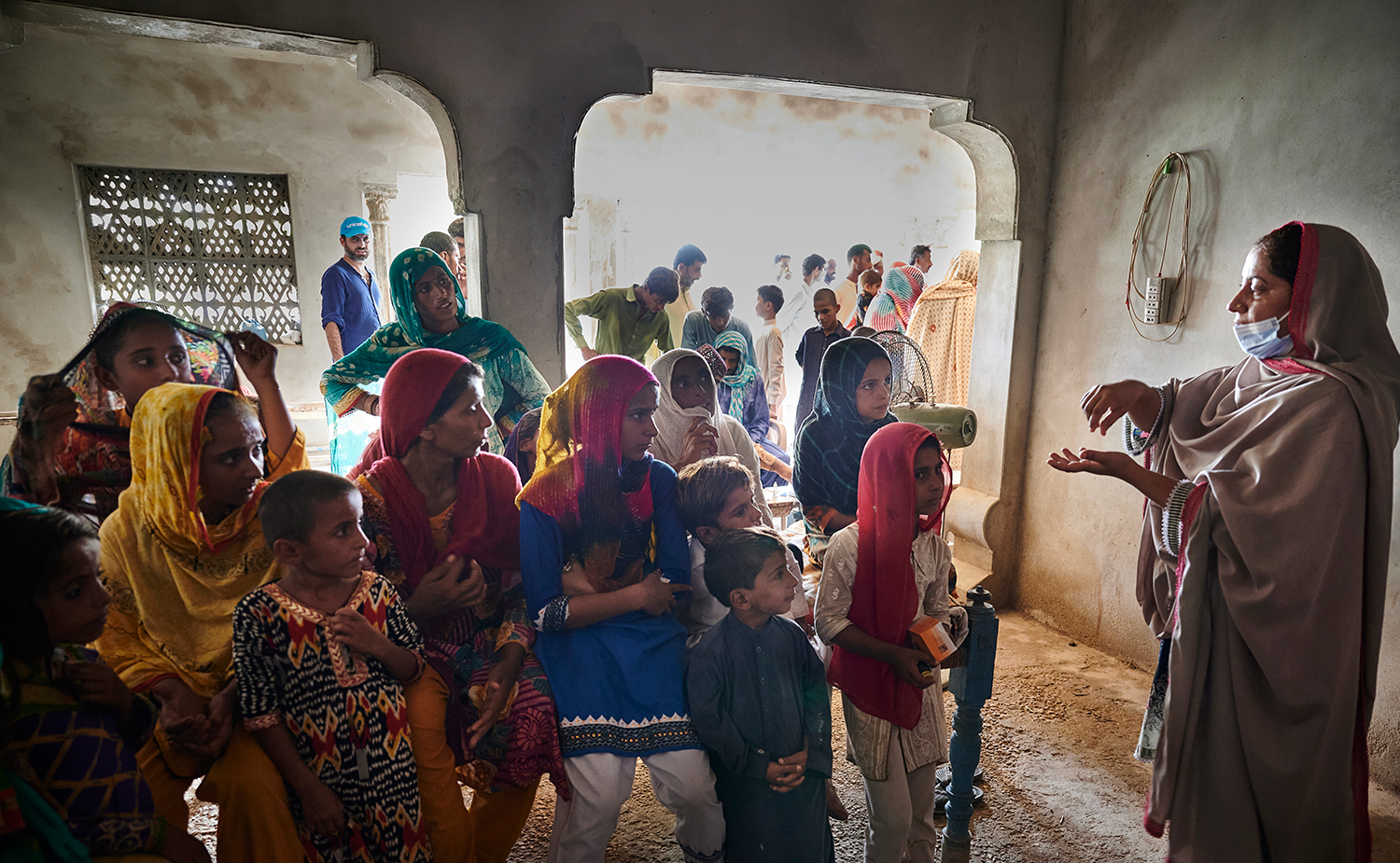
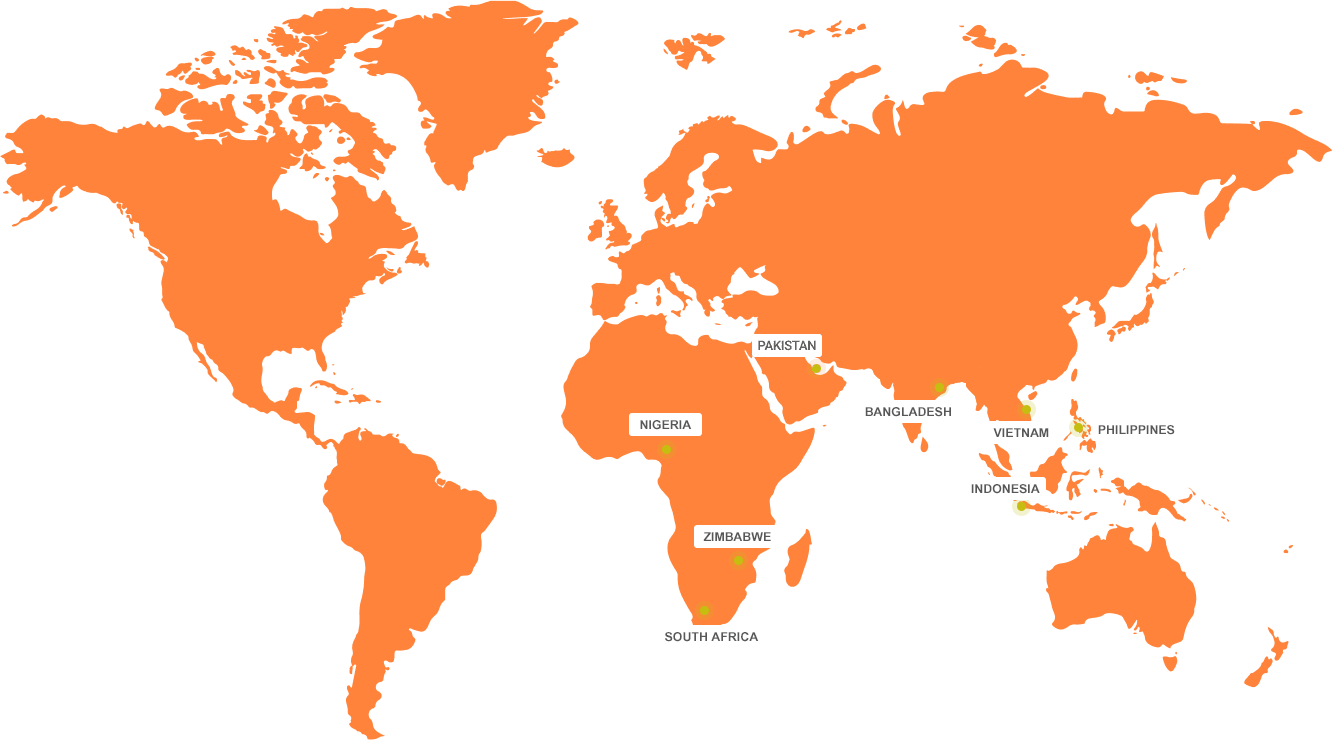
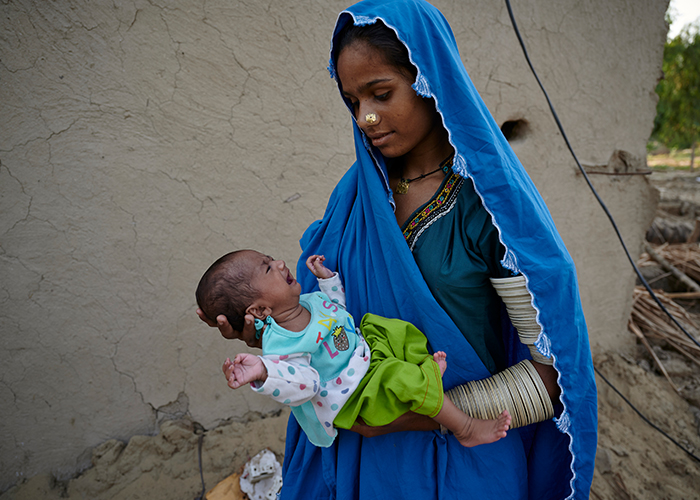
The project “Providing psychosocial support to flood-affected women: Pilot to build capacity of front-line workers and disseminate tailored PFA and PM+ intervention in post-flood-affected communities in Sindh” strengthened psychosocial support for flood-affected women in Sindh, Pakistan, by building the capacity of frontline workers to deliver tailored low-intensity mental health interventions. Using WHO’s Psychological First Aid (PFA) and Problem Management Plus (PM+) frameworks, the project adapted these interventions to local contexts and languages, enabling Lady Health Visitors (LHVs) to provide structured support to women experiencing distress, depression, anxiety, and trauma following the 2022 monsoon floods. Over 40 symptomatic participants received four weekly in-person sessions, while qualitative and quantitative assessments evaluated the interventions’ impact on mental health, resilience, and coping strategies. This pilot initiative laid the groundwork for sustainable, community-led psychosocial support in disaster-affected settings. The project reached post-flood communities in Thatta and Sujawal, Sindh, Pakistan, with sessions delivered through local community networks and facilitated by Lady Health Visitors (LHVs).

40
flood-affected women supported

8
LHVs trained in psychosocial support
Our Partners
- HANDS Pakistan: Local implementation partner and stakeholder engagement.
- IRD Pakistan: Research coordination, capacity-building, and evaluation leadership.
- Project Team: Mehwish Dawood (PI), Aatika Ahmed (Co-PI), Fareeha Javaid (Co-PI), Bakhtawar Shams – design, training, implementation, and analysis.
- Participants: Women affected by floods and frontline LHVs providing community-based support.
The Need
The Need
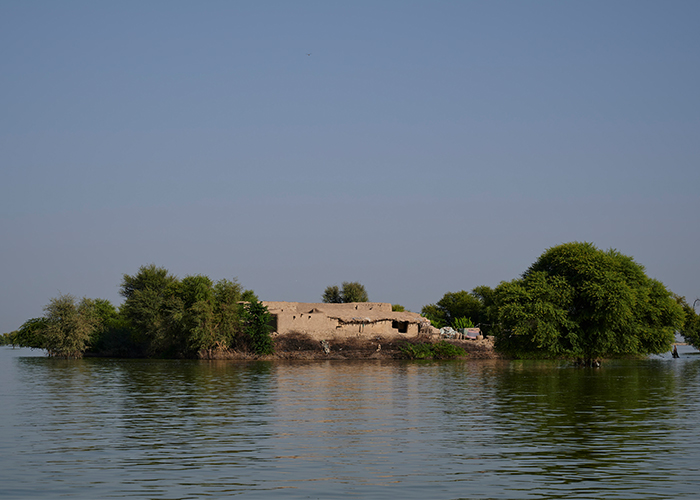
The 2022 monsoon floods in Pakistan affected
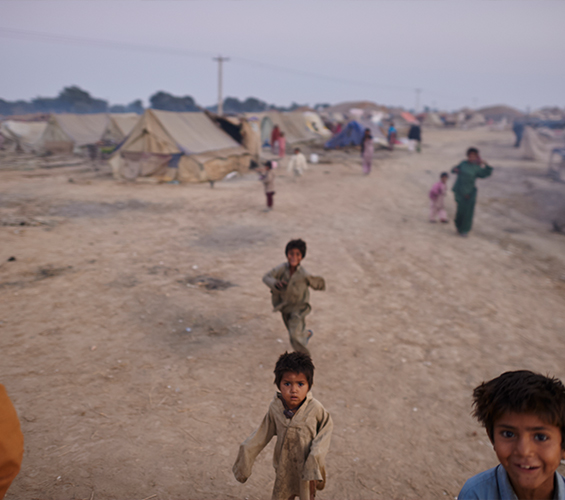
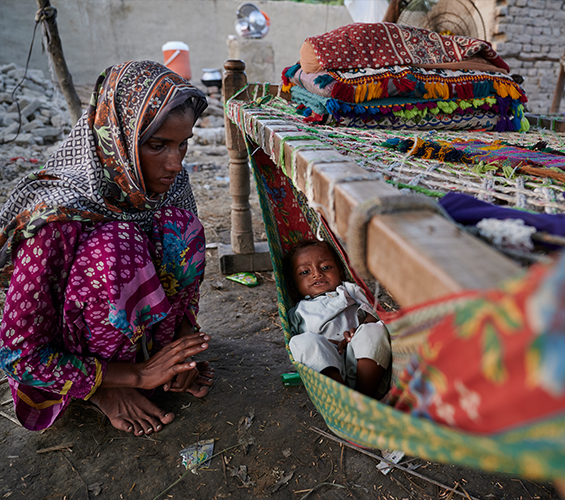
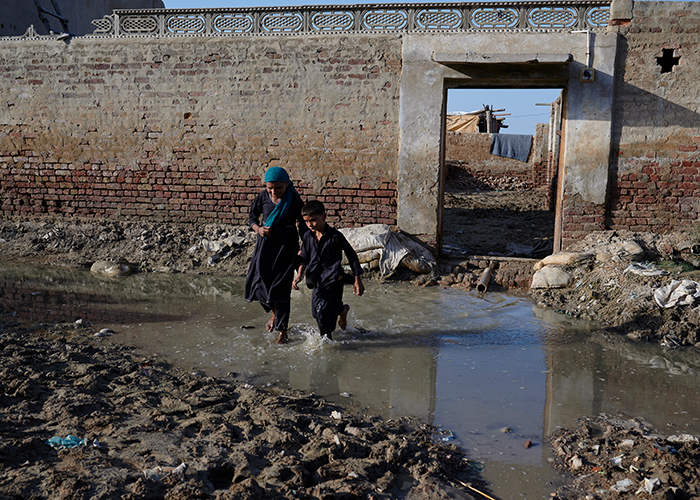
The 2022 monsoon floods in Pakistan affected nearly 33 million people, destroying homes and displacing millions. Women in affected communities are disproportionately vulnerable to psychological distress, including depression, anxiety, PTSD, and acute stress. In resource-limited contexts like Sindh, access to mental health services is scarce, and traditional support systems are often disrupted during emergencies. Without targeted interventions, these women face long-term mental health challenges that impact their well-being, family dynamics, and community recovery. There is a critical need for low-cost, culturally sensitive, community-led psychosocial support delivered by trained non-specialist workers.
Our Approach: Delivery
- Tailored Intervention: Combined WHO PFA and PM+ modules were adapted into Sindhi, emphasizing context-specific challenges and coping mechanisms for flood-affected women.
- Capacity Building: Eight LHVs underwent a six-day intensive training program using a Training-of-Trainers (ToT) model to deliver PFA and PM+ sessions.
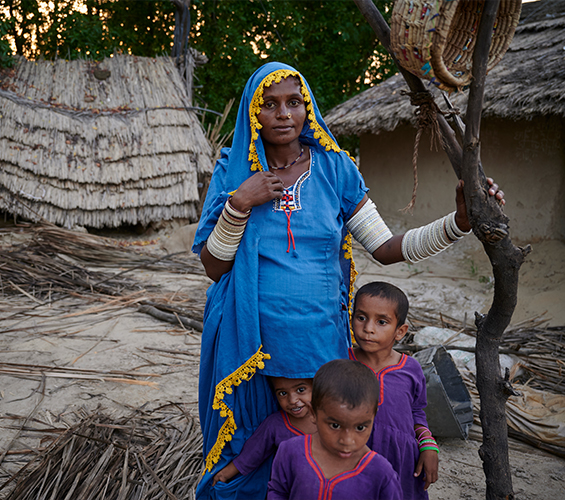
- Community-Based Delivery: Forty symptomatic women received four weekly in-person sessions, facilitated by LHVs, focusing on emotional support, problem-solving, and resilience enhancement.
- Mixed-Methods Evaluation: Mental health outcomes were assessed using PHQ-9, GAD-7, PCL-5, RS-14, complemented by in-depth interviews (IDIs) and a focus group discussion with LHVs to understand participant experiences and program effectiveness.
- Adaptive Implementation: Sessions were modified to overcome environmental challenges, interruptions, and personnel changes, ensuring consistent delivery and participant engagement.
Impact
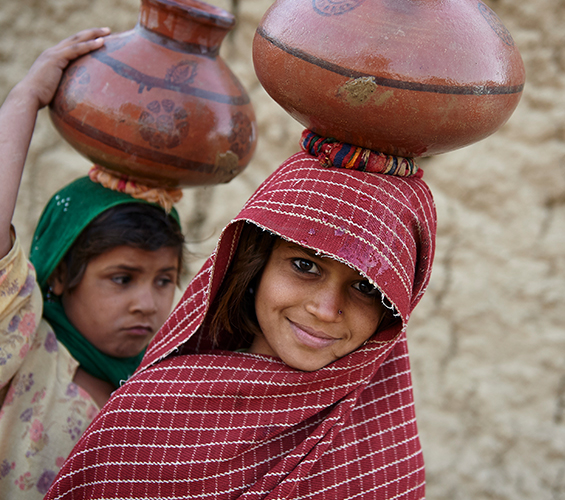
- Direct Beneficiaries: 40 flood-affected women and 8 trained LHVs in Thatta and Sujawal.
- Mental Health Outcomes: Post-intervention, participants showed significant reductions in depression, anxiety, and PTSD scores (p < .001), while resilience levels were maintained.
- Community Empowerment: Participants adopted structured coping strategies, shared knowledge within families, and reported increased self-efficacy and emotional well-being.
- Frontline Worker Development: LHVs enhanced their knowledge of mental health conditions and confidence in delivering psychosocial support.
- Sustainable Model: Training materials and session guidelines were developed to enable replication and scaling of the intervention in other flood-affected regions.
Our partners
PDI has a nationwide footprint, focusing on districts identified by the national STH survey— 47 at-risk districts requiring annual deworming.
The Drivers Behind Our Impact
The Drivers Behind Our Impact
Culturally Adapted Interventions
PFA and PM+ were tailored to the local language and community context.
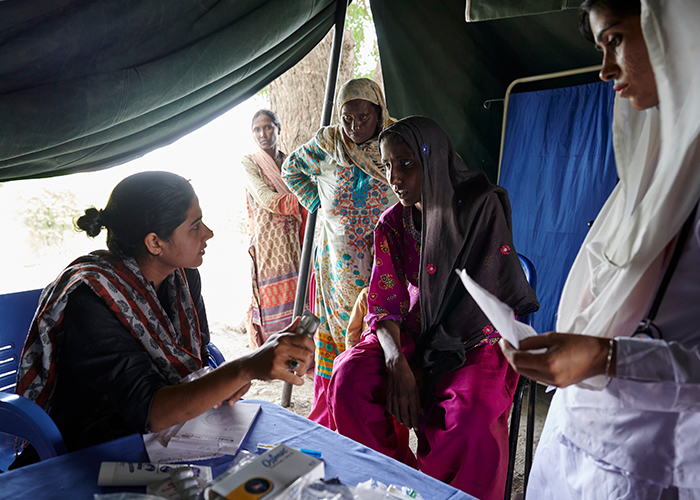
Capacity Building of Frontline Workers
LHVs trained as trusted intermediaries empowered to deliver psychosocial support.
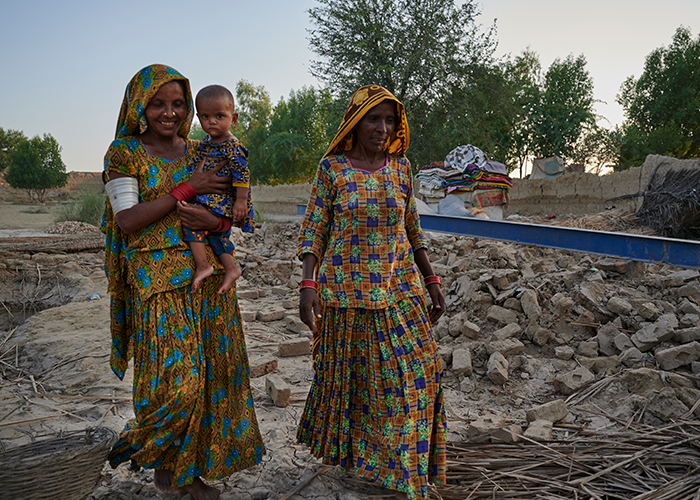
Community Engagement
Continuous feedback and trust-building ensured participant adherence and meaningful impact.
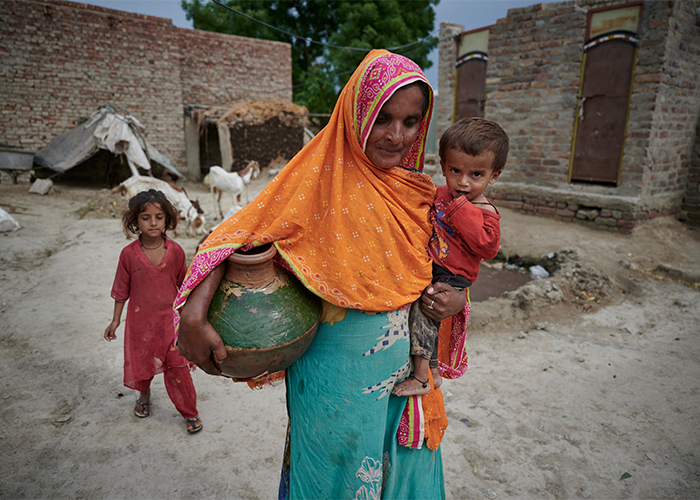
Mixed-Methods Evaluation
Integration of qualitative and quantitative data guided evidence-based refinement of interventions.
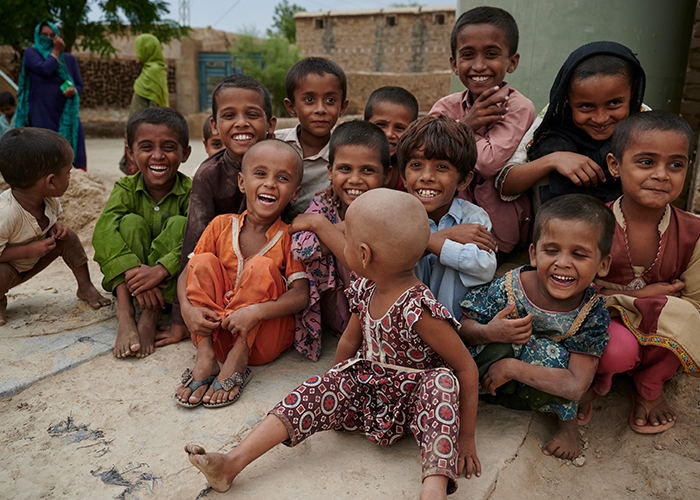
Resilience-Focused Approach
Interventions promoted coping strategies, emotional regulation, and self-efficacy among participants.
Sustainability and Scalability
Training manuals, session protocols, and ToT models ensure long-term program replication in other disaster-affected communities.