 Work for IRD
 Contact us


Overview
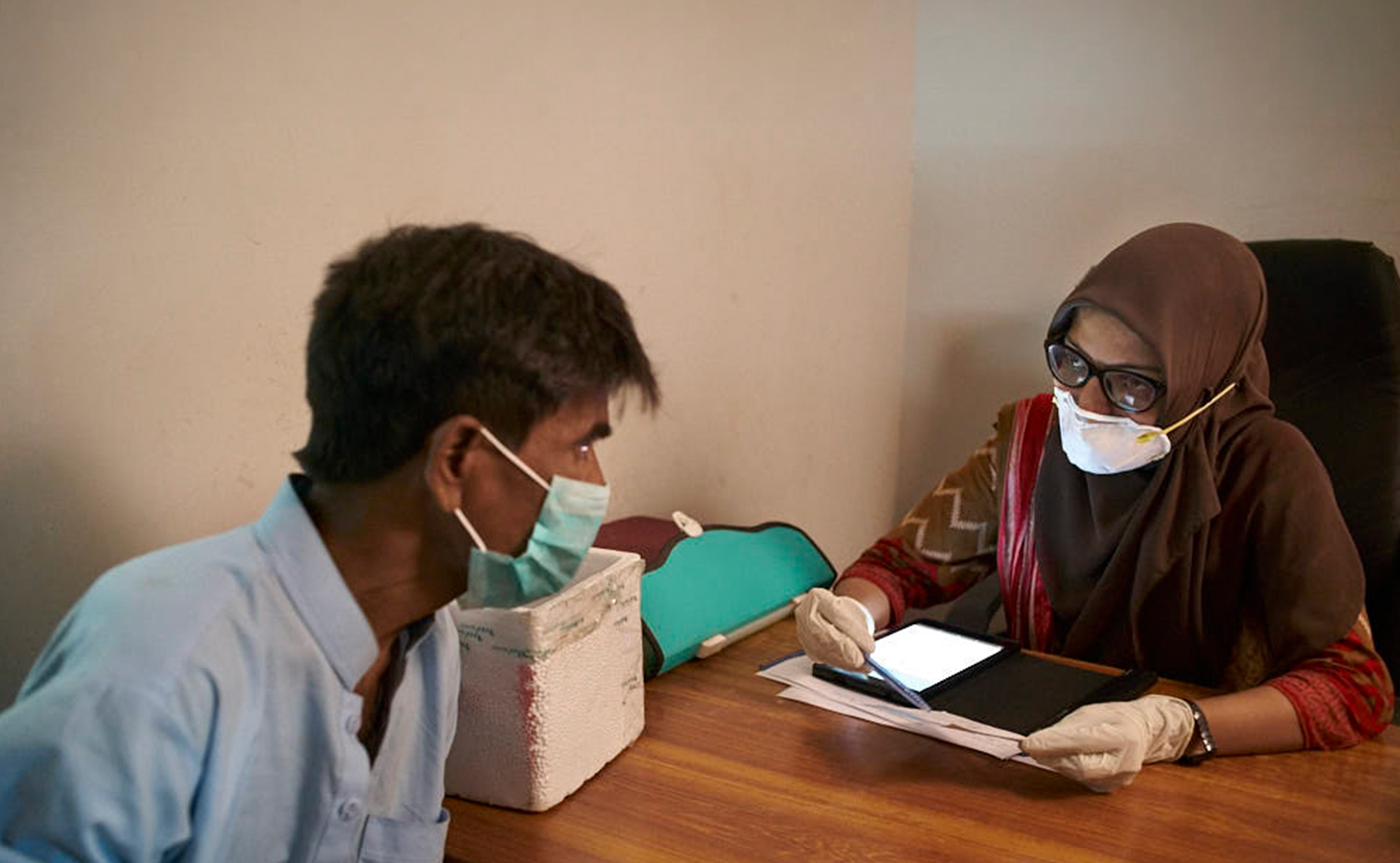
IRD Global applied Time-Driven Activity-Based Costing (TDABC) to evaluate the cost of integrating mental health services within TB care in low-resource settings. Conducted as part of the Integrated Practice Unit (IPU) study funded by Harvard Medical School – Center for Global Health Delivery (Dubai), the program provides evidence on the time, resource use, and financial requirements of delivering mental health support alongside routine TB care. The study offers a scalable blueprint for cost-effective mental health integration, supporting policymakers and implementers in optimizing care delivery. The TDABC study was conducted at TB and Lung Health Centres in Malir and Korangi, serving low socio-economic populations with high TB burden and limited access to mental health services.

3 facilities
analyzed across Karachi (Malir and Korangi TB and Lung Health Centres)

< USD 5 per patient
Cost of providing integrated mental health support

1.7–2.5 additional hours
Time added per patient over the course of TB treatment

Evidence-driven policy guidance
Data provides a strong case for mental health integration in TB services across low-resource settings
Our Partners
- Harvard Medical School – Center for Global Health Delivery (Dubai) (funder)
- Community Health Solutions (CHS) – Sehatmand Zindagi Program
- Indus Hospital
These partnerships enabled rigorous study design, implementation, and translation of results into policy recommendations.
The Need
The Need
Limited evidence for decision-making
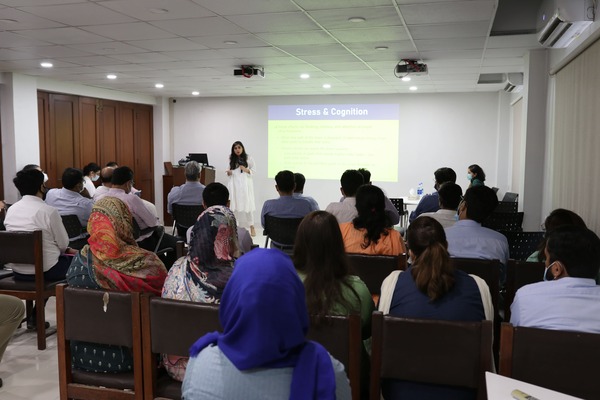
Policymakers and program implementers often lack information on the financial and time implications of integrating mental health services.

Integration challenges
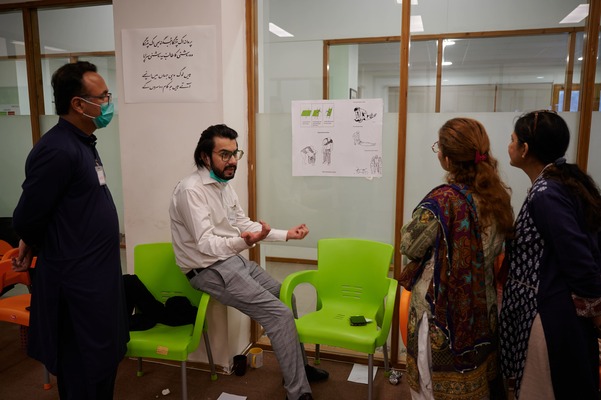
TB care cycles are resource-constrained, making it difficult to determine how to add mental health interventions without disrupting care delivery.
Potential impact
Understanding the cost and time investment required enables scale-up of integrated services, improving patient outcomes and treatment completion rates.

Our Approach: Delivery
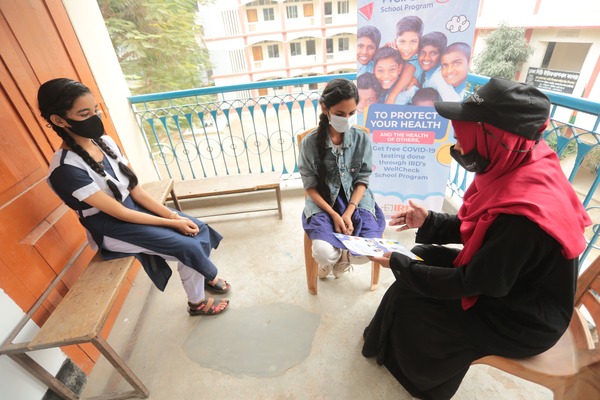
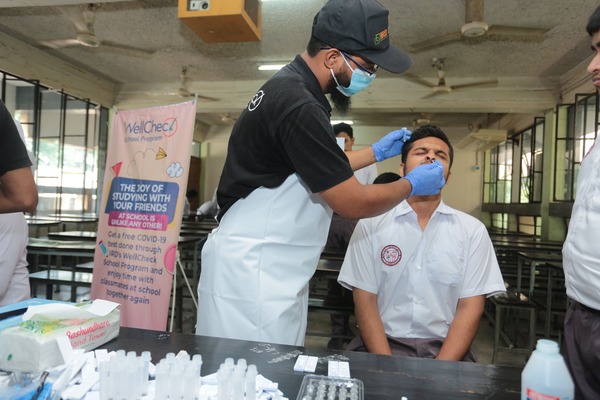
IRD employed TDABC methodology to determine the cost and feasibility of integrating mental health services within TB care.
- Process mapping: Detailed care cycles at each Integrated Practice Unit (IPU) were broken down into discrete activities.
- Data collection: Time spent per activity, resource allocation, and direct and indirect costs were recorded and analyzed.
- Cost calculation: Per-minute costs were used to calculate total per-patient costs and the marginal cost of integrating mental health support.
- Flexible and scalable: The methodology allowed assessment across different provider settings and provided evidence for decision-making at facility, program, and policy levels.
This approach produced actionable insights on both financial and time investments required to integrate mental health into TB care.
Our partners
PDI has a nationwide footprint, focusing on districts identified by the national STH survey— 47 at-risk districts requiring annual deworming.
The Drivers Behind Our Impact
The Drivers Behind Our Impact

Evidence-based approach
TDABC provides precise, granular cost data for integration of mental health services.
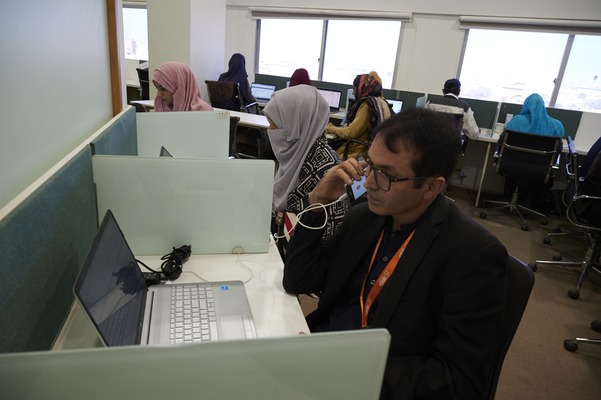
Scalable methodology
Allows replication across facilities and settings, informing larger-scale policy and programmatic decisions.

Policy influence
Quantitative evidence on cost and time facilitates advocacy for mental health integration within TB care.

Resource optimization
Identifies efficient allocation of staff and materials, ensuring integration is affordable and sustainable.

Improved treatment outcomes
Demonstrates the value of integrated mental health services in enhancing TB treatment completion rates.