 Work for IRD
 Contact us


Overview
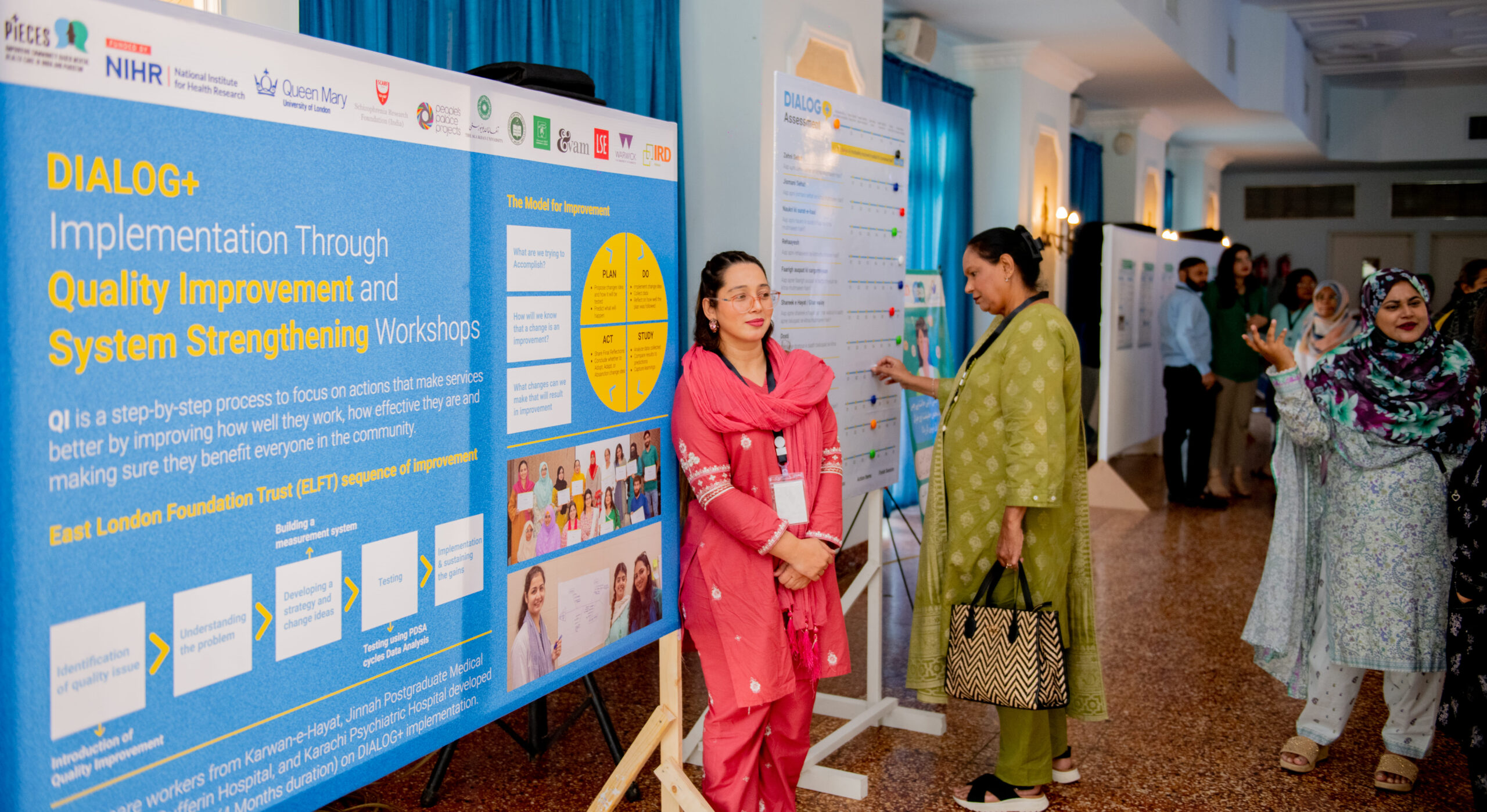
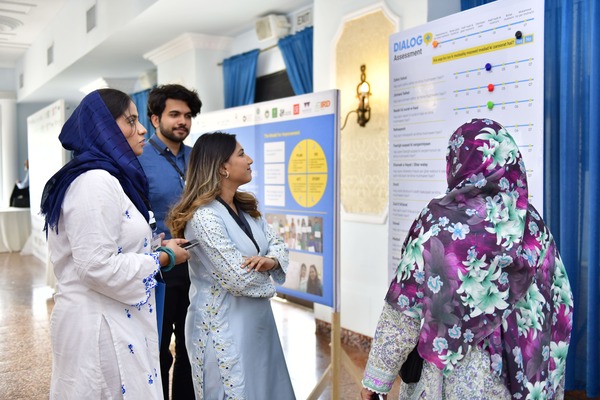
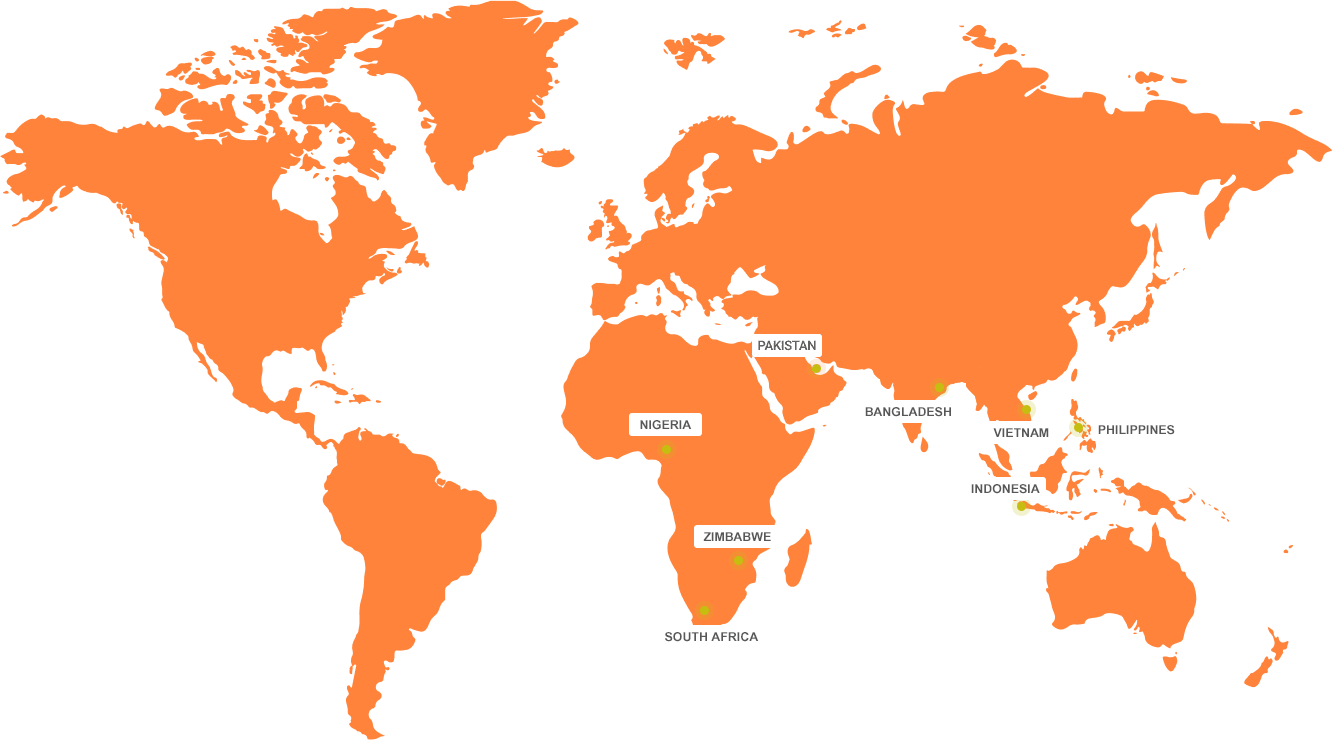
The PIECEs program—Improving outcomes for people with psychosis in Pakistan and India—is testing DIALOG+, an app-mediated intervention designed to improve the quality of life, physical health, and social wellbeing of people with psychosis. Through structured clinician-patient consultations, DIALOG+ strengthens trust, addresses unmet needs, and enhances treatment satisfaction. This randomized controlled trial engages over 227 patients and their caregivers across public and private mental health facilities in Karachi, Pakistan, building evidence to guide community-based care for severe mental illnesses. In Karachi, the trial is being conducted through outpatient clinics at Jinnah Postgraduate Medical Centre (JPMC) and Karwan-e-Hayat. DIALOG+ evidence also draws from multi-country trials in India and Europe, while community theatres and public engagement spaces facilitate inclusive dialogue and advocacy for mental health.Across Pakistan and India, more than 400 patients with psychosis have actively participated in structured DIALOG+ sessions.

41.5
Treatments delivered

214K+
Teachers and health workers engaged

2500+
Government officials engaged

201K+
Schools and health facilities involved

$0.32
Cost per child(2022)
Our Partners
- Queen Mary University of London (QMUL) – Principal Investigator, academic oversight, and research design.
- Interactive Research & Development (IRD-Pakistan) – Project coordination, community engagement, and local implementation.
- SCARF (India) – Mental health clinical expertise and trial collaboration.
- JPMC & Karwan-e-Hayat – Clinical trial sites, patient recruitment, and staff participation.
The Need
The Need
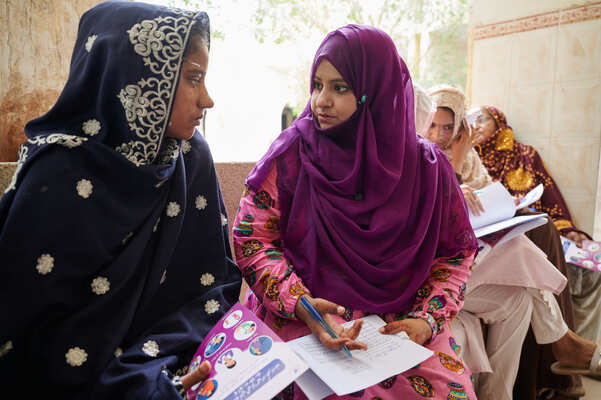
People with psychosis often face fragmented care, social exclusion, and untreated health needs. In Pakistan, structural barriers—limited clinical resources, inconsistent treatment, stigma, and low social support—undermine effective management. Traditional outpatient systems often fail to capture patients’ perspectives or unmet needs, leaving many without holistic support. Caregivers frequently struggle with limited guidance, while communities remain unaware of how to foster inclusion for those with lived experience.
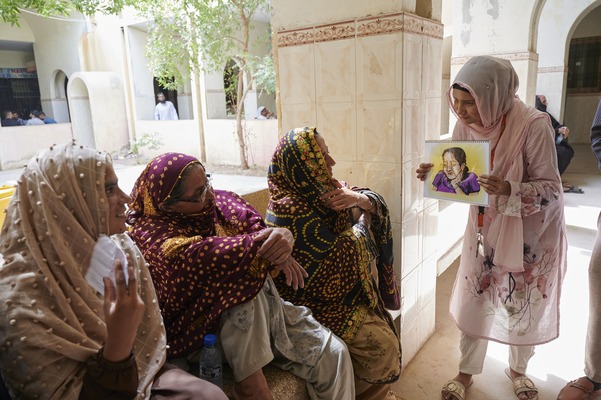
Our Approach: Delivery
PIECEs employs a multifaceted, evidence-based strategy to improve outcomes:
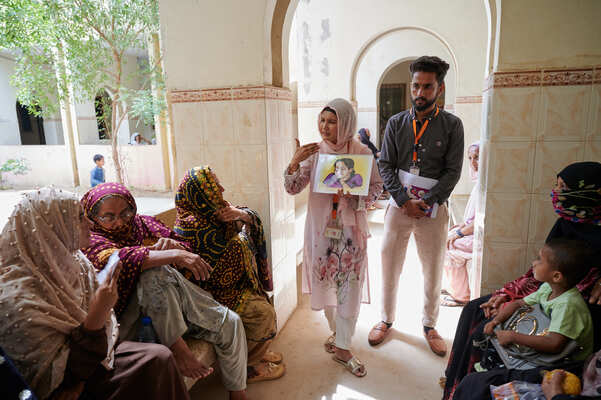
- DIALOG+ Intervention: Clinicians use a structured app to guide consultations, build rapport, and identify unmet needs, empowering patients to engage actively in care.
- Randomized Controlled Trial: Over 200 participants, with follow-ups at 6 and 12 months, measure improvements in quality of life, social functioning, and satisfaction.
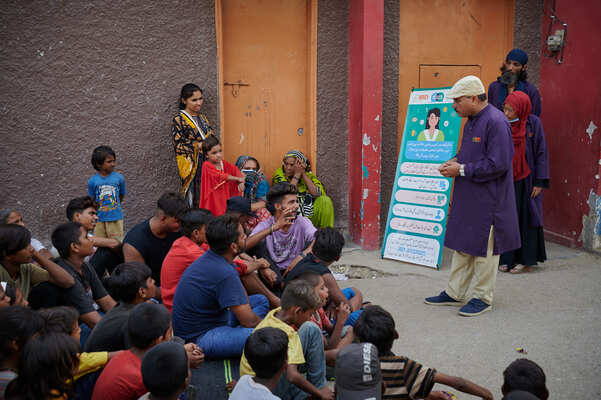
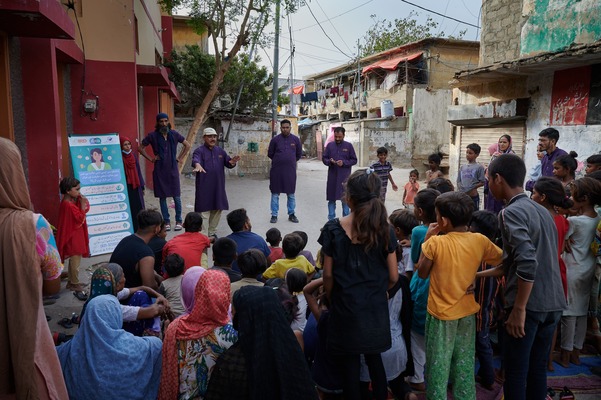
- Community Engagement & Theatre of the Oppressed: People with lived experience and caregivers co-develop theatre performances to share stories, challenge stigma, and mobilize community support.
- Capacity Building: Clinicians and mental health practitioners receive training in DIALOG+, participatory arts, and community mental health approaches.
- Strategic Partnerships: Collaboration with academic institutions, local hospitals, and mental health organizations ensures culturally sensitive implementation and sustainability.
Challenges such as clinician recruitment, facility constraints, weather disruptions, and patient engagement were mitigated through innovative scheduling, incentive structures, dedicated coordinators, and creative outreach, ensuring continuity of care and research integrity.
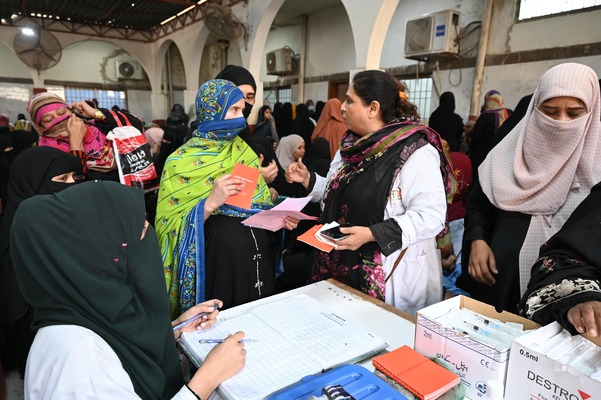
Impact
- 400+ patients with psychosis in Pakistan and India actively participated in structured DIALOG+ sessions.
- Majority of participants were young adults or middle-aged, with secondary-level education; 53% were single, reflecting societal patterns.
- Caregivers and community members engaged in arts-based interventions, strengthening understanding, empathy, and inclusive support networks.
- Lessons from the trial informed best practices for clinician engagement, patient recruitment, and sustainable community-based interventions.
Our partners
PDI has a nationwide footprint, focusing on districts identified by the national STH survey— 47 at-risk districts requiring annual deworming.
The Drivers Behind Our Impact
The Drivers Behind Our Impact
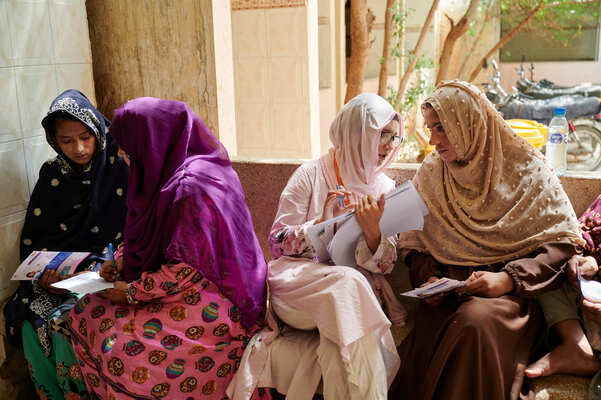
Evidence-based Digital Tools
DIALOG+ integrates structured consultations with measurable outcomes.
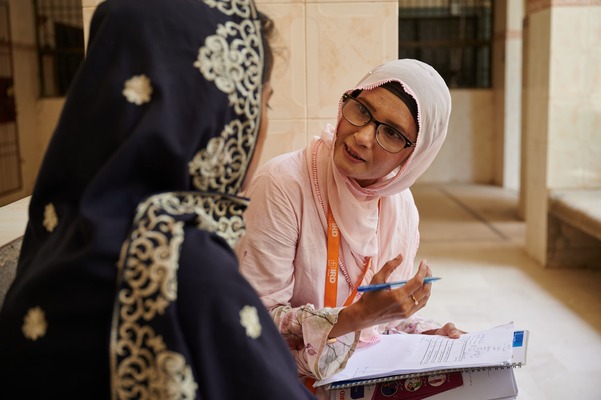
Inclusive Community Engagement
Theatre, storytelling, and lived experience platforms amplify voices of people with psychosis.
Capacity Building & Training
Clinicians, caregivers, and community stakeholders receive tailored support and skills development.
Collaborative Partnerships
Strong networks between academic institutions, NGOs, and hospitals ensure cultural relevance and operational efficiency.

Adaptive Research Design
Flexible mitigation strategies address recruitment, infrastructure, and environmental challenges to maintain quality of care.
Sustainability Focus
Community-led theatre initiatives and integration with broader projects support long-term social inclusion and advocacy for mental health.