 Work for IRD
 Contact us


Overview
The Retinopathy of Prematurity (ROP) Childhood Blindness Prevention Programme aims to reduce blindness among premature and low birthweight babies in Bangladesh. Led in collaboration with the Directorate General of Health Services (DGHS), IRD and partners are strengthening policy, clinical capacity, and health systems to ensure at-risk newborns receive early screening and timely treatment.
The programme operates across neonatal units and eye care facilities in Dhaka and Chattogram, introducing national ROP guidelines, digital reporting, ROP screening services, and specialised ophthalmic equipment. The programme operates in Dhaka through neonatal and ophthalmology units in tertiary public hospitals, with referral linkages to primary and secondary level hospitals, and in Chattogram through specialised neonatal care and eye hospitals.

7,879
preterm infants screened

1,997
eyes diagnosed with ROP

638
infants with ROP received free treatment

24,481
years of healthy life prevented from being lost
Our Partners
- Directorate General of Health Services (DGHS), Ministry of Health
- National Newborn Health Programme (NNHP)
- UNICEF (equipment support)
- IRD Global
- Public hospitals and neonatal units
- Ophthalmology societies and professional bodies
The Need
The Need
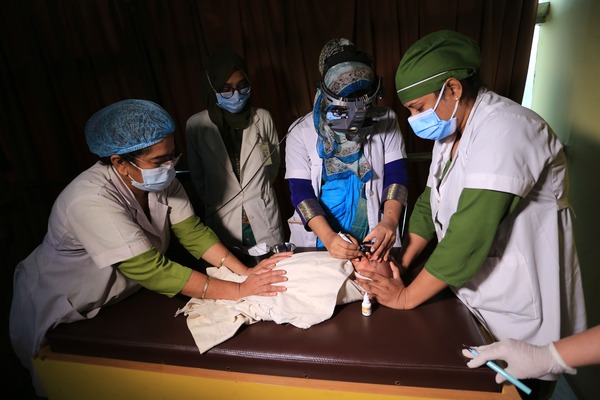
ROP is a leading cause of preventable childhood blindness worldwide.
Pakistan is among the world’s top ten STH-burdened countries. STH infections can lead to anaemia, malnutrition and diminished concentration, undermining children’s health, educational outcomes and long-term productivity.
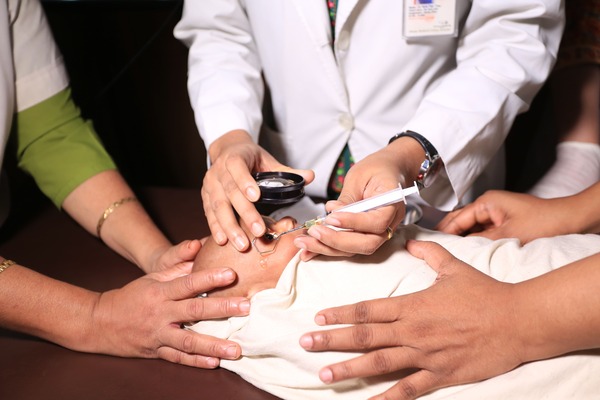
Premature and very low birthweight babies exposed to uncontrolled oxygen in neonatal units are at the highest risk.
The first nationwide STH prevalence survey (2016) conducted by Evidence Action, WHO, IRD & IHN and the Government of Pakistan showed that roughly 17 million school-age children in 47 at‑risk districts require deworming once annually.
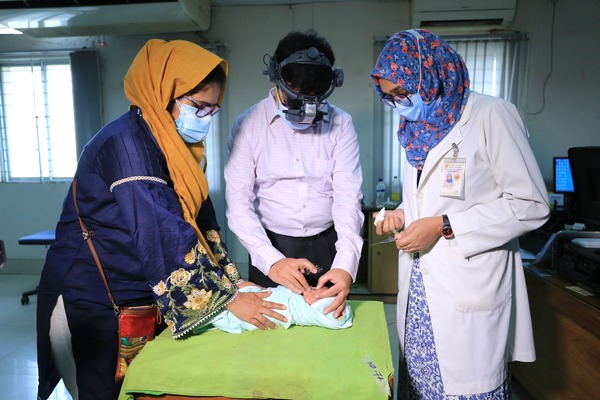
Bangladesh sees approximately 3.35 million births annually, with 16% (536,000) born prematurely.
Out-of-school children, those in remote communities and pupils in schools lacking adequate water, sanitation and hygiene (WASH) facilities are particularly vulnerable. Without organised deworming, intestinal worms can perpetuate cycles of poverty, anaemia and undernutrition.
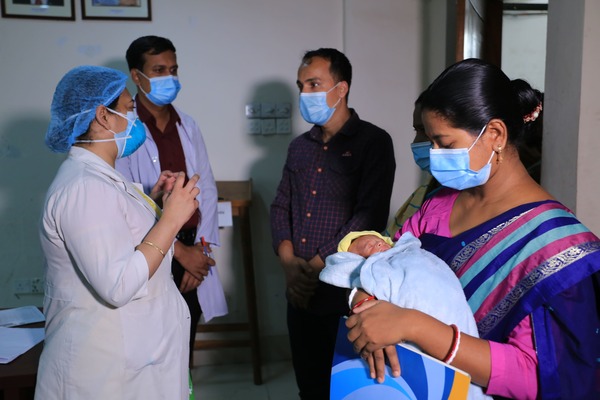
Each year, around 28,000 preterm (<28 weeks of gestation) and low birthweight infants (≤ 1.5 Kg) are at risk of blindness due to ROP.
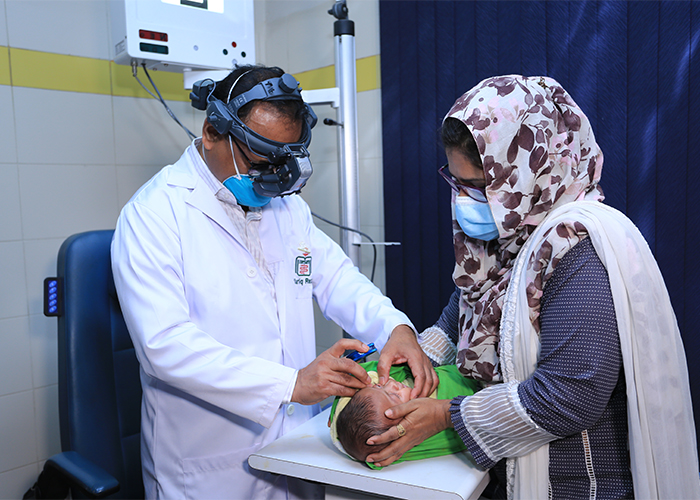
With timely screening and intervention, ROP-related blindness can be prevented for as little as USD 320 per baby.
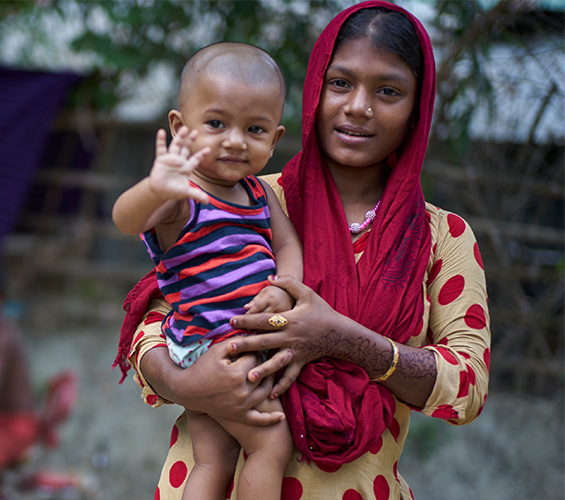
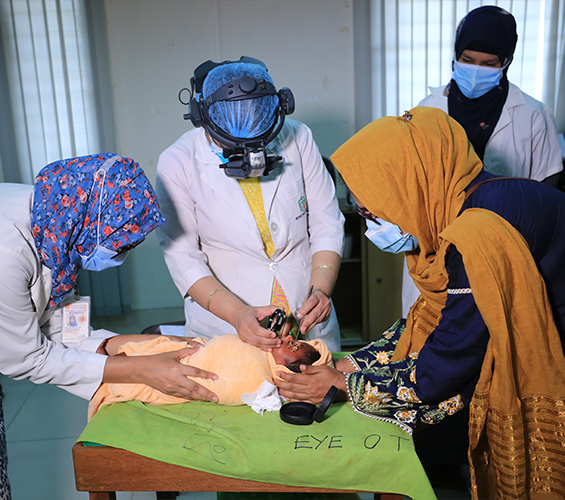
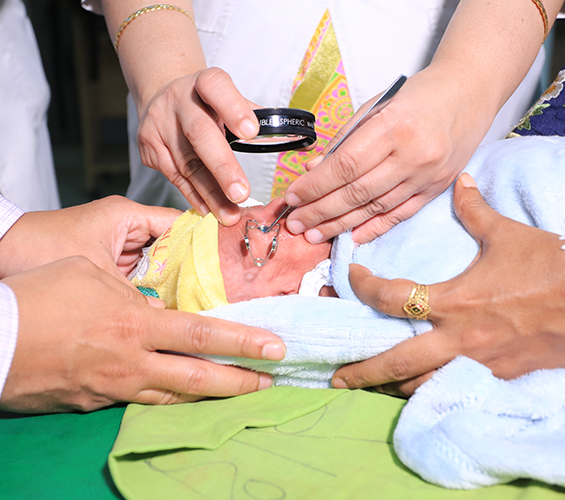
Our Approach: Delivery
- Policy and Systems Strengthening
- Developed and introduced the first National ROP Guidelines and Indicators in Bangladesh.
- Integrated ROP indicators into the national DHIS2/MIS reporting system.
- Supported the formation of national ROP Steering and Advisory Committees under DGHS/MoH.
- Conducted GIS mapping of neonatal and ophthalmology units across Dhaka and Chattogram.
- Capacity Building of Healthcare Workers
- Developed and launched a ROP Continuing Medical Education (CME) course for neonatologists and ophthalmologists.
- Trained 4 Master Trainers, who then trained:
- 125 physicians
- 186 neonatal nurses and healthcare providers
- Organised awareness sessions and produced behaviour change communication (BCC) materials for families and communities.
- Establishing ROP Screening & Treatment Services
- Initiated ROP screening in 6 hospitals across Dhaka and Chattogram.
- Supplied and installed screening and treatment equipment, including:
- RetCam imaging devices (12 facilities via the Government of Bangladesh and UNICEF)
- Video indirect ophthalmoscopes
- Laser therapy units for treatment
- Developed referral pathways and equipped 3 institutes to provide advanced ROP treatment.
Our Reach
| Division | Key Facilities Involved |
|---|---|
| Dhaka | Neonatal & ophthalmology units in tertiary public hospitals and referral linkage with the primary and secondary level hospitals |
| Chattogram | Specialised neonatal care and eye hospitals |
The Drivers Behind Our Impact
The Drivers Behind Our Impact
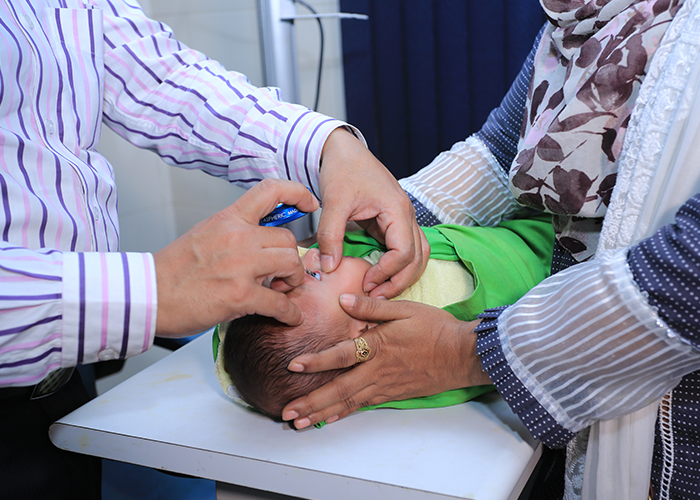
Policy to practice – National guidelines, reporting systems and committees established.
Planning and frequency of deworming are guided by national STH survey data, PMCV reports after each deworming round and ongoing coverage monitoring, ensuring resources reach those most in need and lessons from each round inform improvements.
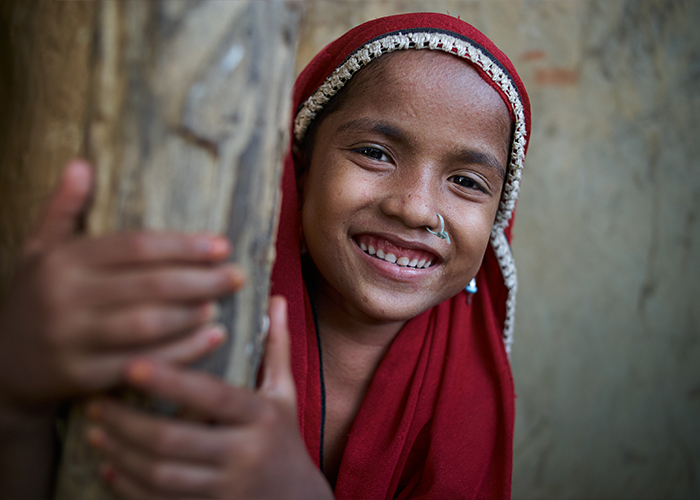
Early detection, early action – Screening begins before babies leave neonatal units.
A national steering committee chaired by federal planning, health and education ministries—and mirrored by provincial committees or working groups, followed by district level management committees—guides policy, budgeting and supervision, embedding deworming within government plans and budgets.
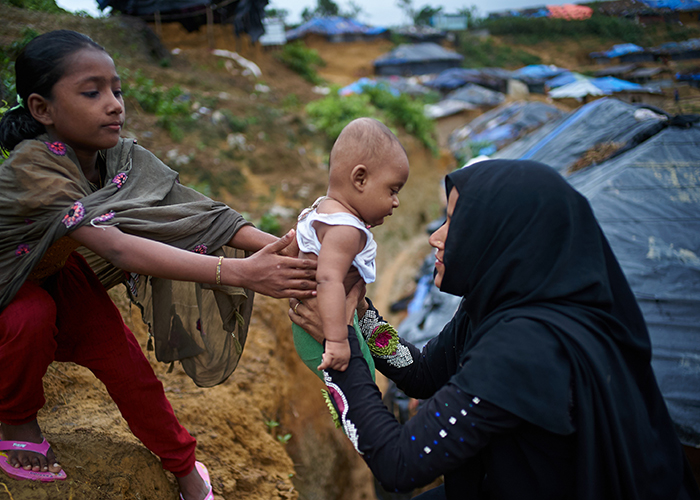
Technology-enabled care – RetCam, ophthalmoscopes and digital reporting ensure accuracy.
School-based, community-based and hybrid approaches allow districts to tailor campaigns to local conditions, reaching out-of-school children and remote communities.
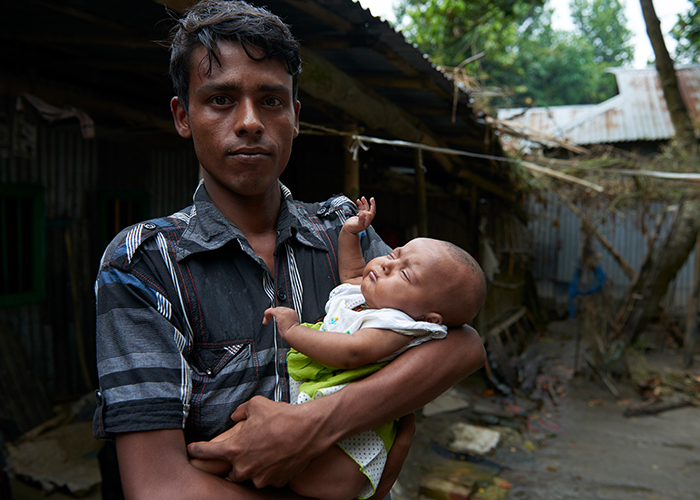
Capacity built locally – Master trainers, physicians and nurses now lead national rollout.
Cascaded training equips tens of thousands of teachers and health workers;
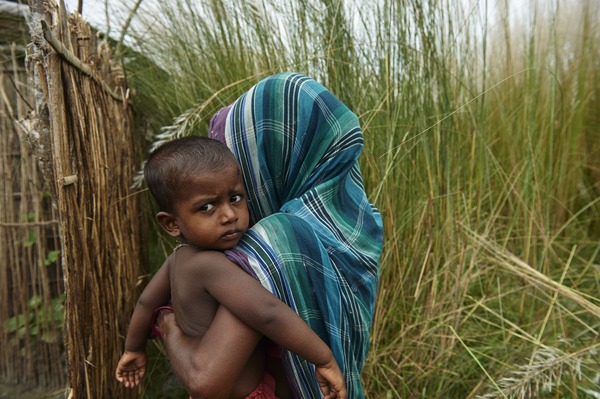
Government-owned, scalable model – Aligned with DGHS, integrated into national health systems.
Deworming costs roughly PKR 75 (US$ 0.50) per child per treatment, and funding combines donor and domestic budgets, making expansion feasible.
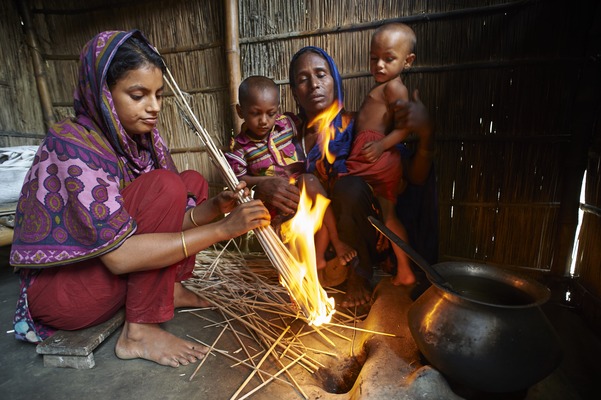
Replicable model
The combination of evidence-based targeting, strong government ownership and adaptable delivery makes PDI a model for other countries seeking to scale deworming programmes.