 Work for IRD
 Contact us


Overview
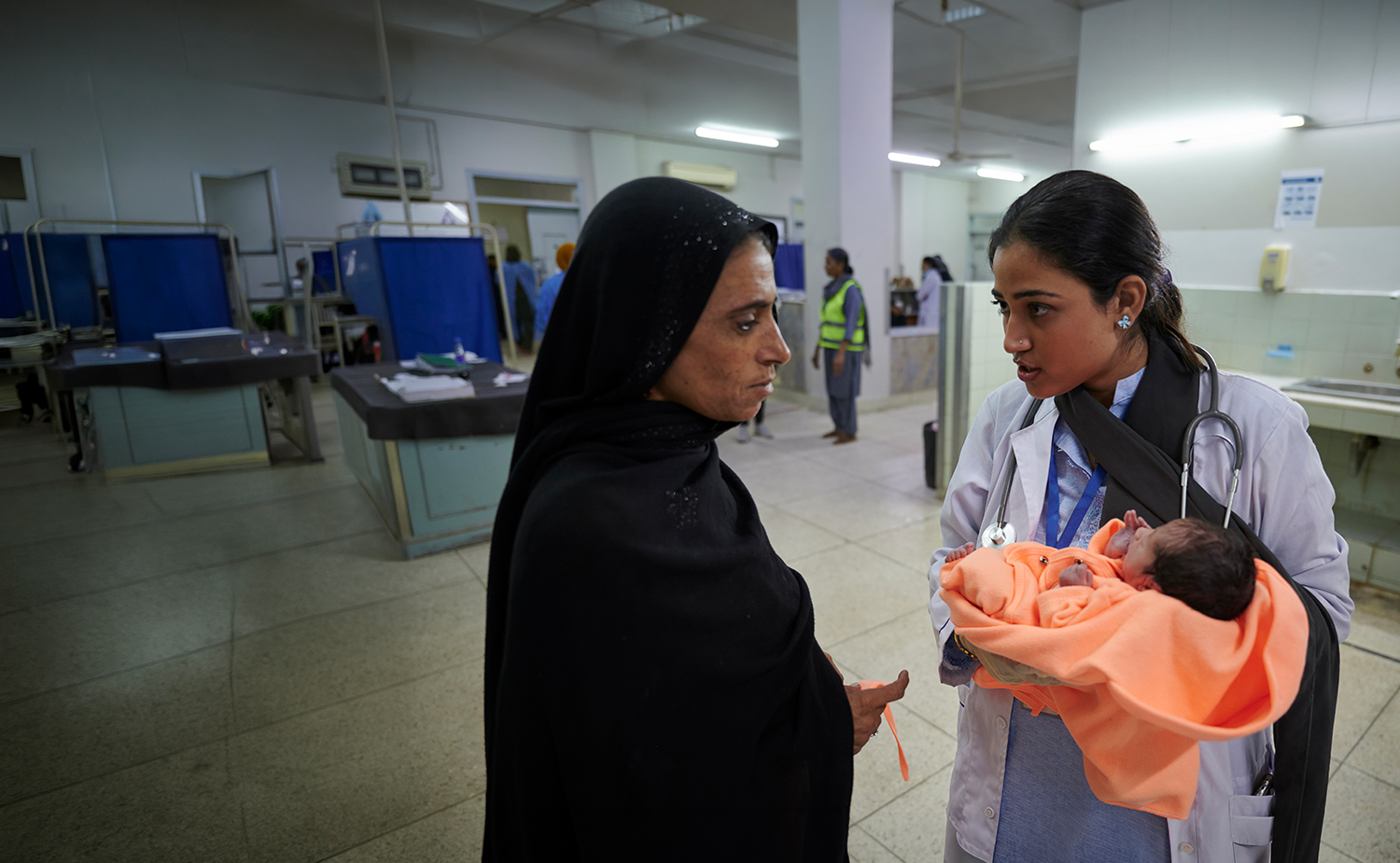
The Congenital Anomalies Registry (CARe Pakistan), an initiative aimed at early identification, counselling, and referral of newborns with visible congenital anomalies. Using a task-sharing model, healthcare workers were trained to examine newborns from head-to-toe, record identified anomalies and guide families towards appropriate care pathways. This was the first programme of its kind in Pakistan designed to build national evidence, inform health policies and strengthen neonatal surgical care systems. In Karachi, the registry operates across Jinnah Postgraduate Medical Centre (JPMC), Civil Hospital, and Qatar Hospital.

18,728
newborns screened for anomalies

3,730
births identified with anomalies

3,678
families counselled and referred to specialist care

16
healthcare workers trained in neonatal screening
Our Partners
- Implemented by IRD with the support of participating public hospitals. (Logos only – no descriptive text)
The Need
The Need
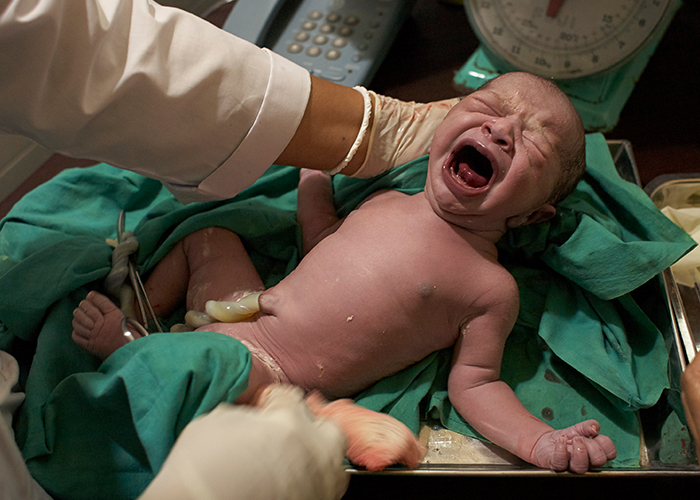
Congenital anomalies are a leading cause of neonatal deaths and lifelong disability in Pakistan.
Pakistan is among the world’s top ten STH-burdened countries. STH infections can lead to anaemia, malnutrition and diminished concentration, undermining children’s health, educational outcomes and long-term productivity.
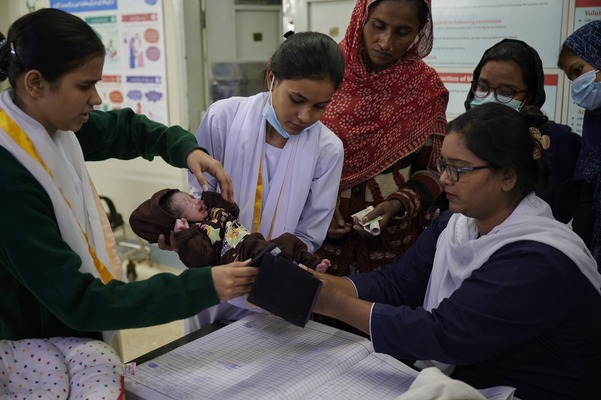
Many cases are missed at birth due to absence of newborn screening and referral, resulting in delayed diagnosis and treatment.
The first nationwide STH prevalence survey (2016) conducted by Evidence Action, WHO, IRD & IHN and the Government of Pakistan showed that roughly 17 million school-age children in 47 at‑risk districts require deworming once annually.
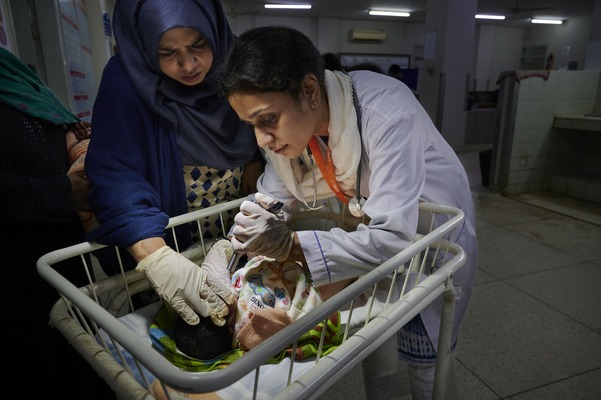
Families often are unaware of the next steps of whom to consult or when to seek care.
Out-of-school children, those in remote communities and pupils in schools lacking adequate water, sanitation and hygiene (WASH) facilities are particularly vulnerable. Without organised deworming, intestinal worms can perpetuate cycles of poverty, anaemia and undernutrition.
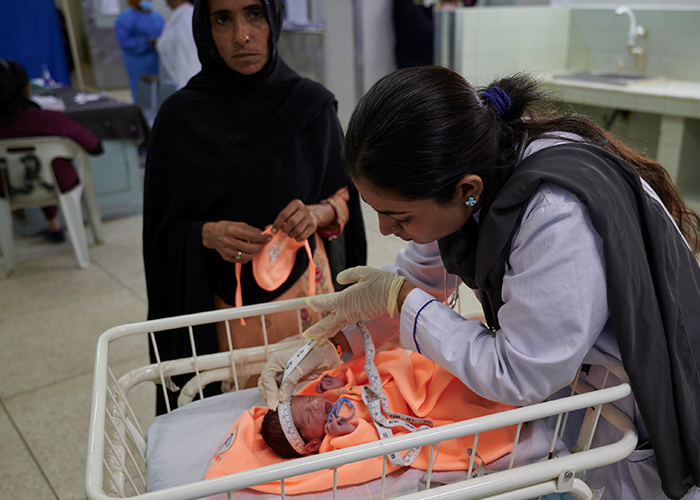
Pakistan lacks a centralised system to document the prevalence and types of congenital anomalies — making it difficult to plan services and inform policy.
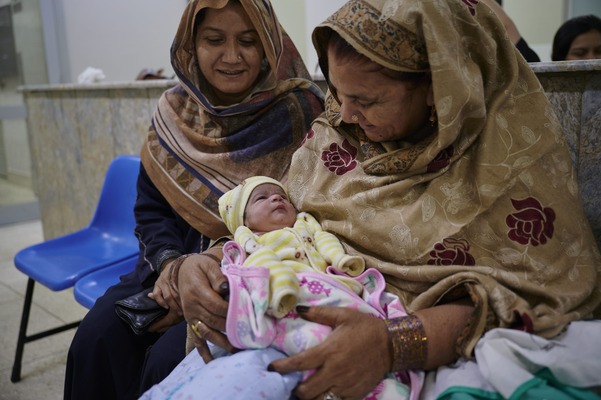
CARe Pakistan addressed this gap by screening every newborn at selected hospitals, creating a registry, and linking families with the right specialists at the right time to provide care.
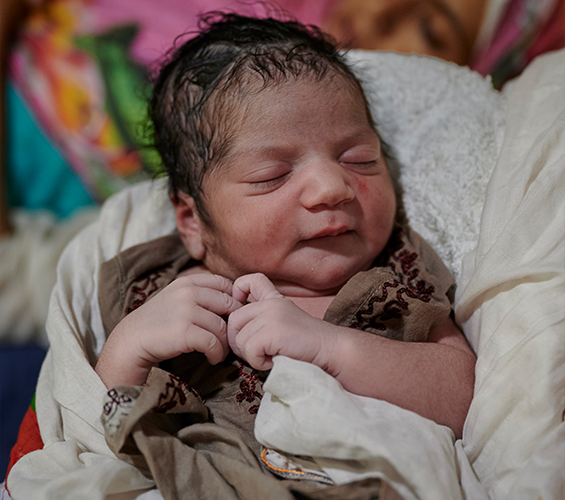
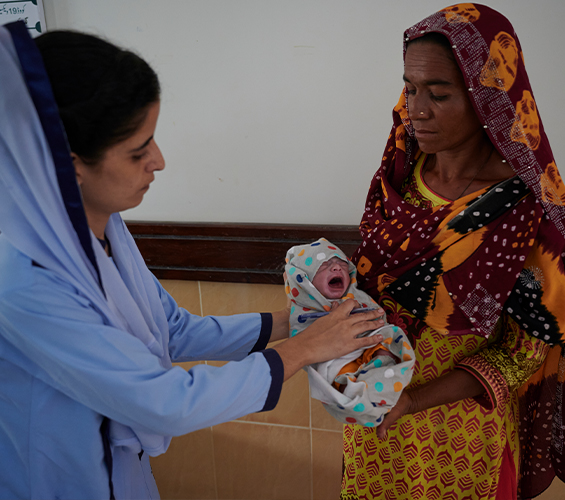
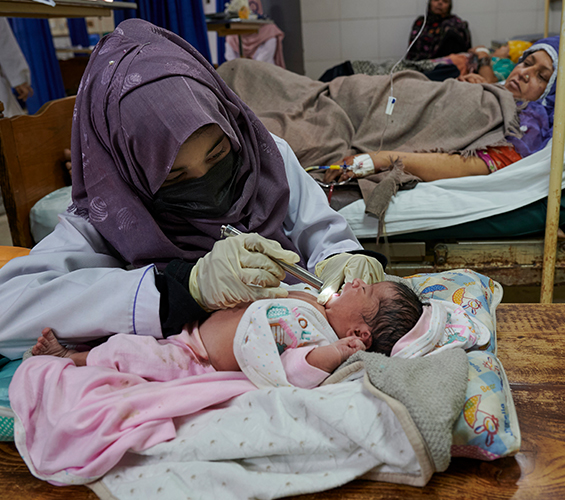
Our Approach: Delivery
Development of a focussed curriculum and training tools for health workers (HWs)
- A curriculum with training tools co-created to facilitate training of HWs
Task-Sharing Model
Health workers with matric-level education are successfully trained to carry out newborn screening, making the model transferable to other healthcare cadres
Screening and Identification
- All newborns delivered at participating hospitals examined by trained healthcare workers to detect external congenital anomalies
Counselling and Referral
- Parents counselled about the condition and guided towards appropriate care using pre-defined referral guidelines
Follow-Up
- A follow-up call conducted on Day 29 after birth to track outcomes, document any other anomalies that may have appeared in the neonatal period and assess access to care according to the referral provided.
Our Reach
Karachi
- Jinnah Postgraduate Medical Centre (JPMC)
- Civil Hospital
- Qatar Hospital
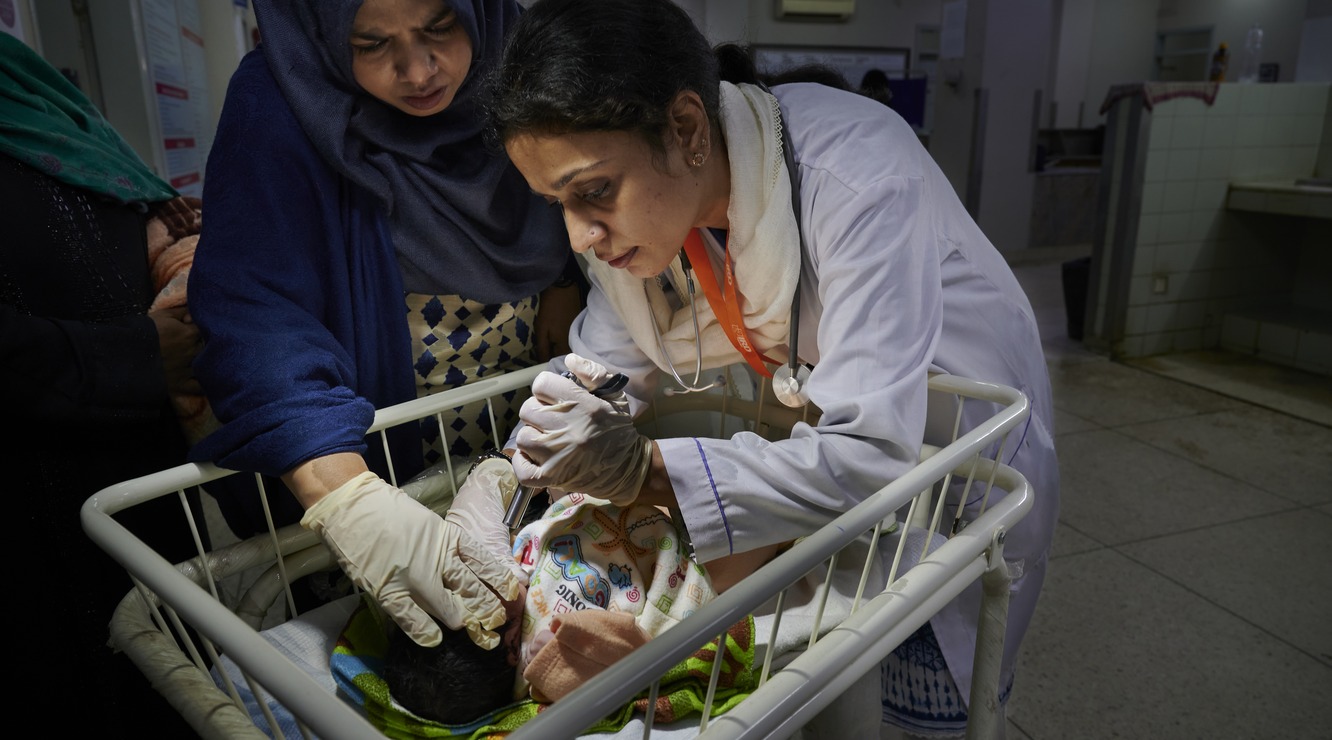
The Drivers Behind Our Impact
The Drivers Behind Our Impact
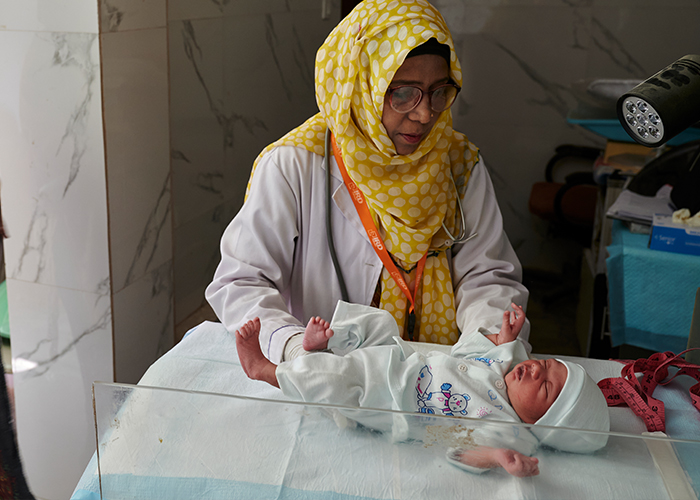
Newborn screening model developed that can be modified for national scale-up
Planning and frequency of deworming are guided by national STH survey data, PMCV reports after each deworming round and ongoing coverage monitoring, ensuring resources reach those most in need and lessons from each round inform improvements.
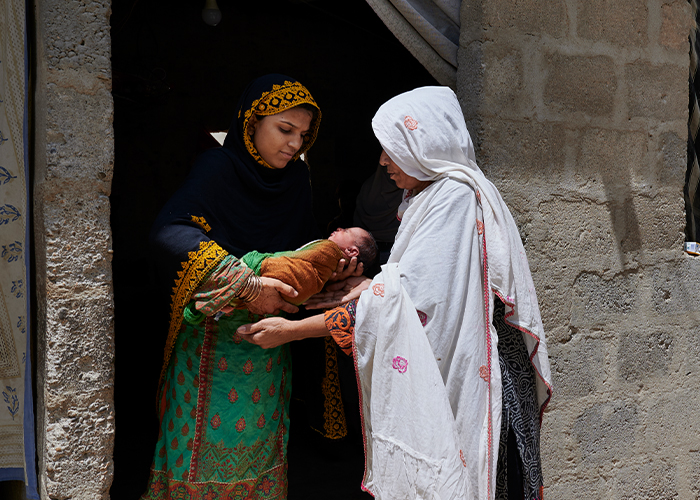
First-of-its-kind congenital anomaly registry in Pakistan documenting overall prevalence
A national steering committee chaired by federal planning, health and education ministries—and mirrored by provincial committees or working groups, followed by district level management committees—guides policy, budgeting and supervision, embedding deworming within government plans and budgets.
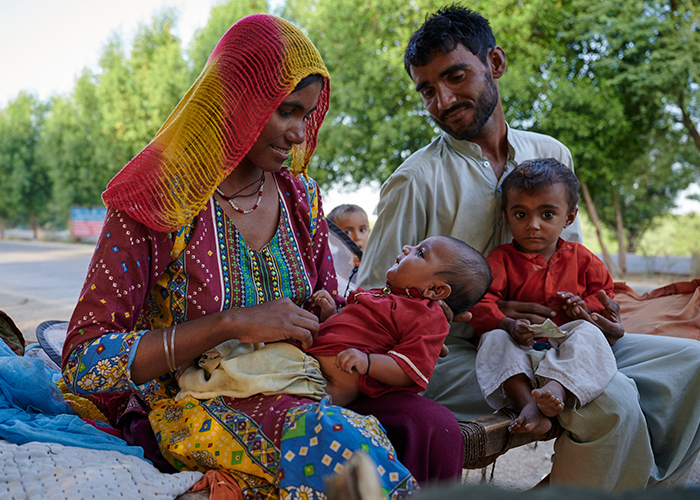
Documentation of anomaly-specific prevalence and mortality
School-based, community-based and hybrid approaches allow districts to tailor campaigns to local conditions, reaching out-of-school children and remote communities.
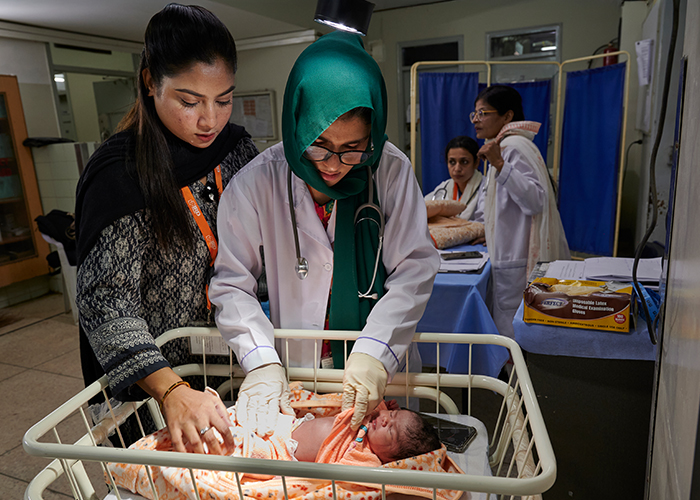
A co-created curriculum developed with transferable lessons for other LMIC settings
Cascaded training equips tens of thousands of teachers and health workers;
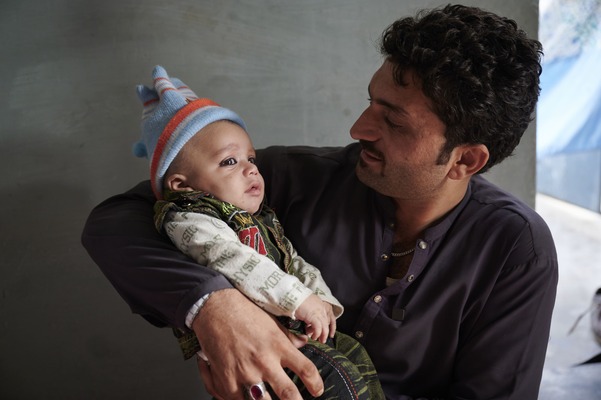
Demonstrated the ability of trained HWs to successfully screen, identify, counsel and refer neonates with congenital anomalies
Deworming costs roughly PKR 75 (US$ 0.50) per child per treatment, and funding combines donor and domestic budgets, making expansion feasible.
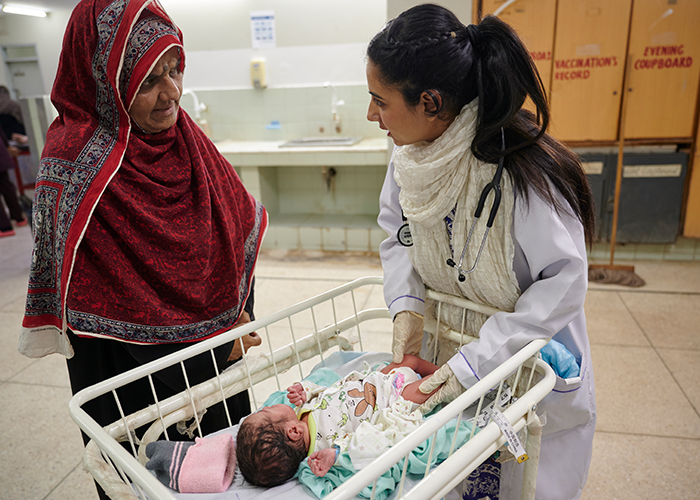
Scalable and sustainable model for national policy and integration into maternal and newborn health systems
The combination of evidence-based targeting, strong government ownership and adaptable delivery makes PDI a model for other countries seeking to scale deworming programmes.