 work for IRD
 contact us


Overview
The National STH (Soil-Transmitted Helminth) Impact Assessment Survey is a nationwide effort led under the Pakistan Deworming Initiative (PDI) to assess the current burden of intestinal worm infections in school-age children. Conducted by the Government of Pakistan with technical support from IRD and Evidence Action, Aga Khan University and Momentum, this survey will generate updated, nationally representative data to guide the next phase of deworming policy, treatment frequency, and geographic targeting.
This is the first follow-up survey since the baseline STH survey conducted in 2016, which informed the launch of PDI in 2018. The survey will measure changes in prevalence and intensity of infections, and provide the evidence needed to adjust strategies moving forward.

41.5
Treatments delivered

214K+
Teachers and health workers engaged

2500+
Government officials engaged

201K+
Schools and health facilities involved
$0.32
Cost per child(2022)
Our Partners
- Government of Pakistan — Ministries of Health, Education, Planning & Provincial Departments
- Evidence Action
- IRD Pakistan
- Aga Khan University
- Momentum Pvt Ventures
- Lancaster University (Data Analysis
- Kenya Medical Research Institute
The Need
The Need
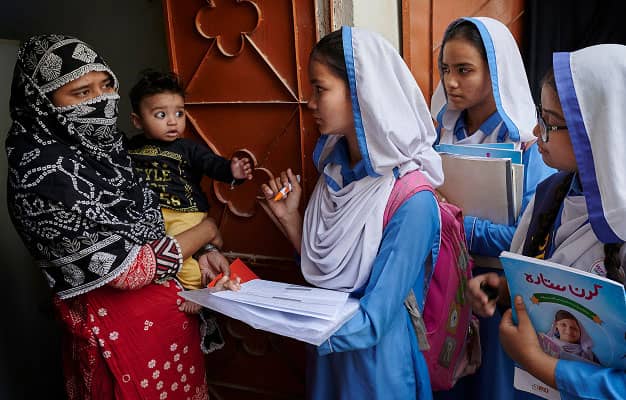
Evidence-driven policy
WHO recommends conducting a follow-up prevalence survey every 5 years after mass deworming to assess impact and recalibrate treatment strategies.
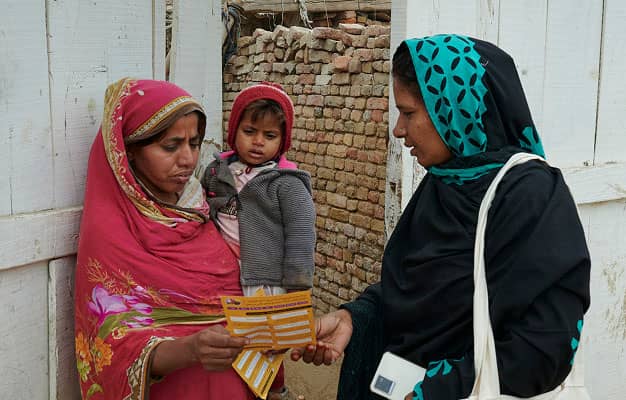
Progress since 2016
The baseline survey found ~17 million children at risk, leading to the launch of PDI. Since then, millions of children have been treated annually.
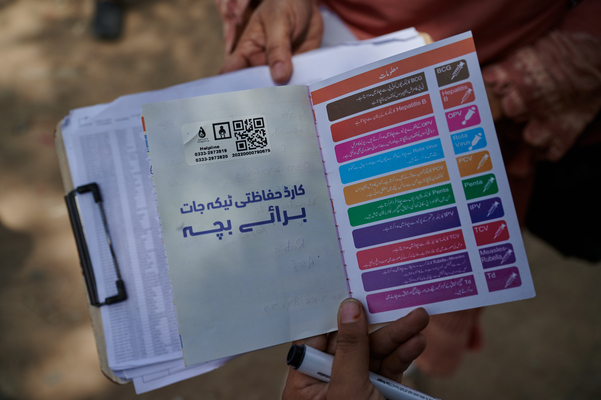
Critical decision point
To determine whether treatment frequency should reduce, stop, or expand to new districts—not all areas require annual deworming anymore, while some untreated districts may now qualify.

Equity-focused
Survey will also measure prevalence in non-PDI districts and among out-of-school (OOS) children, who are often missed by school-based deworming.
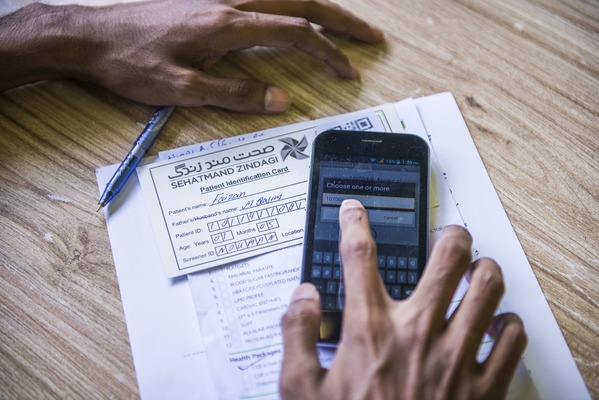
Our Approach: Research
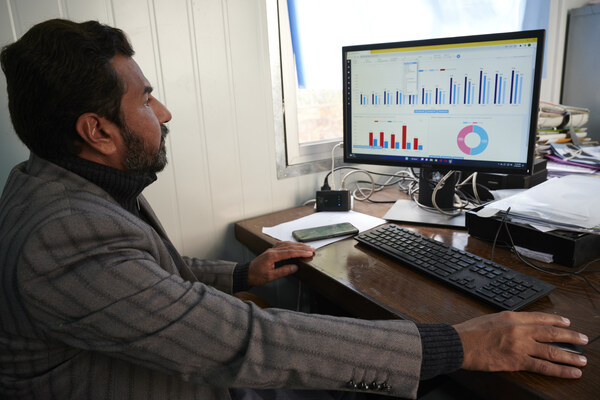
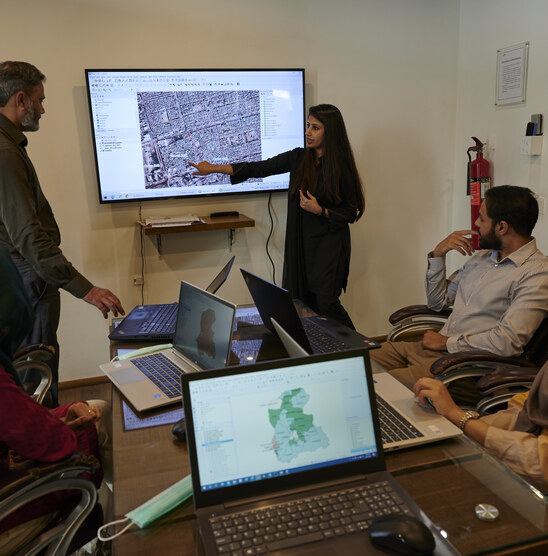
- Survey Design: Utilizes Model-Based Geostatistics (MBG), an advanced and cost-effective methodology to improve accuracy versus WHO’s traditional sentinel site approach.
- Scope:
- 152 schools and ~10,605 children across all provinces and regions
- Includes 47 PDI districts and 112 non-PDI districts
- Sampling out-of-school children (10 per site) for better equity representation
- Data Collection
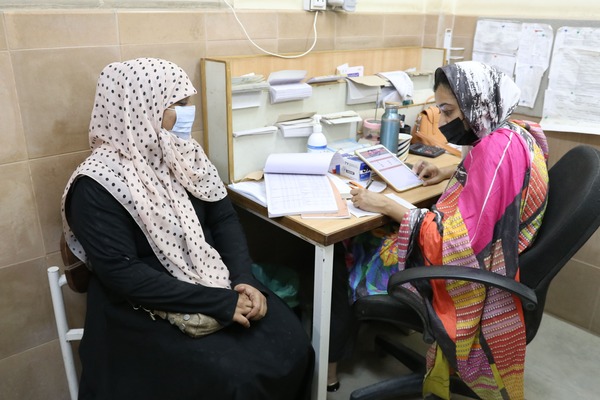
- Stool samples for STH diagnosis using Kato-Katz method
- WASH (Water, Sanitation & Hygiene) survey to explore links between STH and living conditions
- Phased Implementation:
- Phase 1 (Nov 2025): KP, ICT, AJK
- Phase 2 (2026): Sindh, Punjab, Balochistan, GB
Our partners
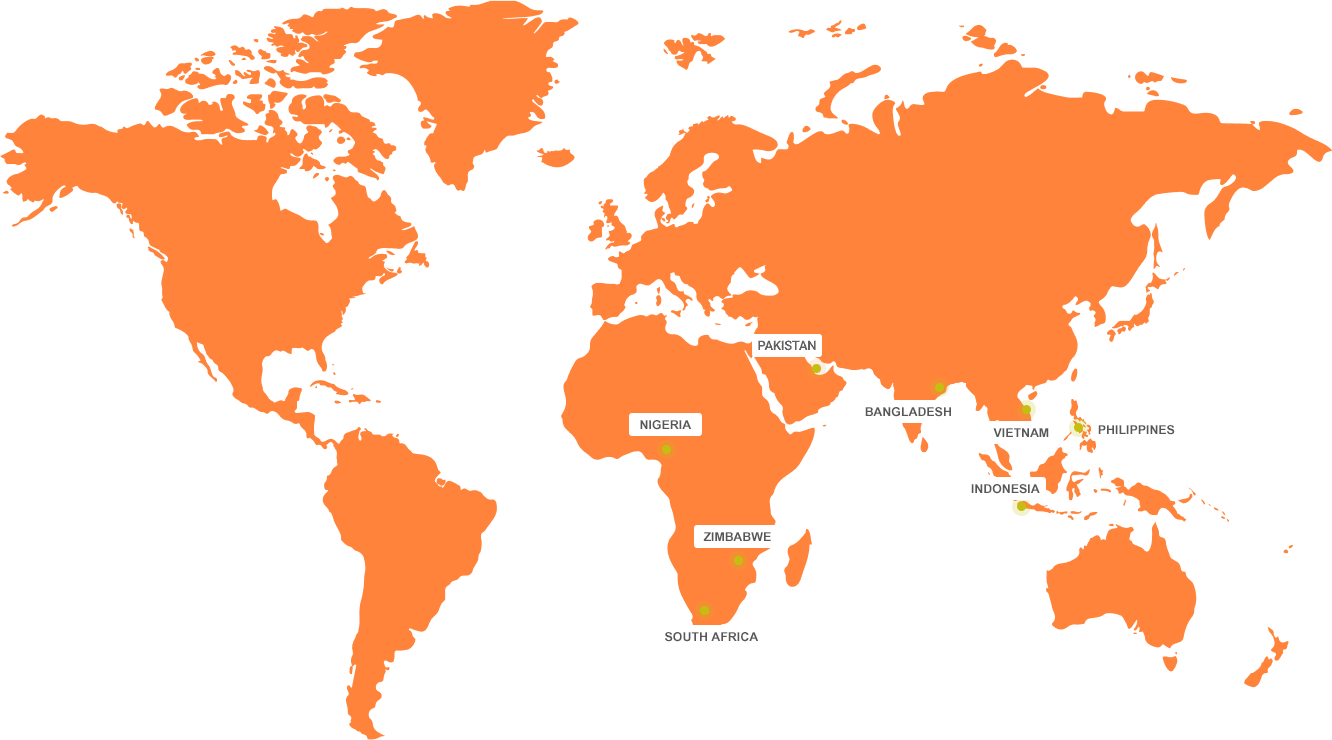
PDI has a nationwide footprint, focusing on districts identified by the national STH survey— 47 at-risk districts requiring annual deworming.
The Drivers Behind Our Impact
The Drivers Behind Our Impact
Evidence-led decision-making for smarter MDA frequency
Planning and frequency of deworming are guided by national STH survey data, PMCV reports after each deworming round and ongoing coverage monitoring, ensuring resources reach those most in need and lessons from each round inform improvements.
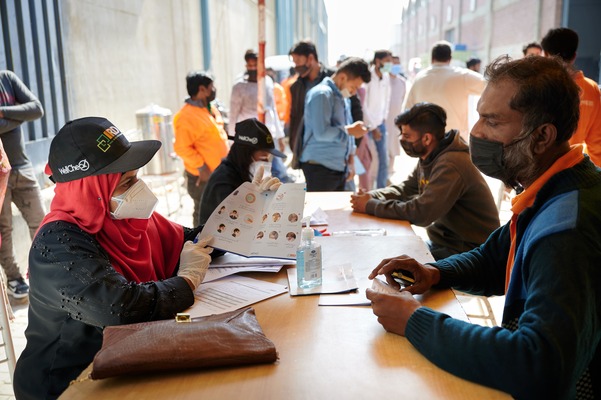
First MBG-based national STH map for Pakistan
A national steering committee chaired by federal planning, health and education ministries—and mirrored by provincial committees or working groups, followed by district level management committees—guides policy, budgeting and supervision, embedding deworming within government plans and budgets.
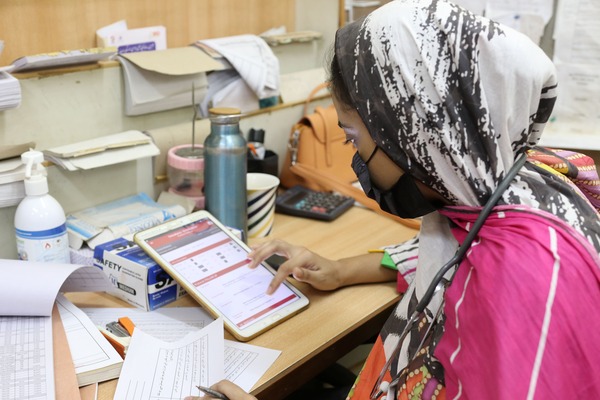
Government-owned and globally supported
School-based, community-based and hybrid approaches allow districts to tailor campaigns to local conditions, reaching out-of-school children and remote communities.
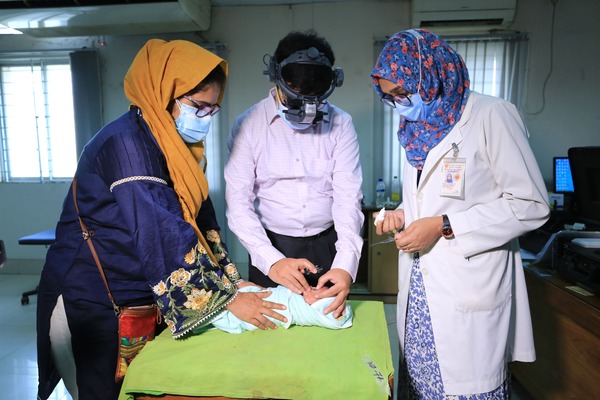
Inclusion of out-of-school children for true equity
Cascaded training equips tens of thousands of teachers and health workers;
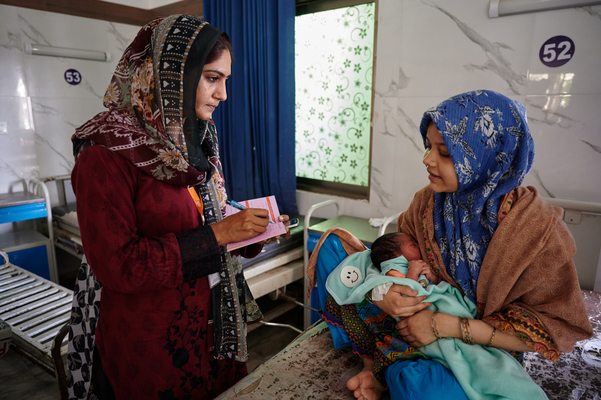
Stronger WASH-insights to link environment and infection
Deworming costs roughly PKR 75 (US$ 0.50) per child per treatment, and funding combines donor and domestic budgets, making expansion feasible.
Replicable model
The combination of evidence-based targeting, strong government ownership and adaptable delivery makes PDI a model for other countries seeking to scale deworming programmes.